Harley Davidson Dyna Glide: Suspension Performance Diagnostic Guide
We will discuss the behaviors of an improperly tuned suspension and how to fix them. Too soft, too stiff, under-damped, over-damped, all of these can make your bike less fun to ride, even down a flat straight freeway.
This article applies to Harley Davidson Dyna Glide models (1991-2016).
Flying by the seat of your pants. That's what fighter pilots did in the first and second World Wars; it meant that a pilot would be able to know what his plane was doing simply by the feeling of his butt in the cockpit. Without the advanced instruments we have in aircraft today, flying "by the seat of their pants" was the best way to do things. That's exactly what we are going to do right now. By paying attention to what our motorcycle does as we apply different input conditions, we will be able to diagnose possible issues and address them. This is will increase the performance of your Dyna Glide, and in turn make you a safer, more confident, and all-around better rider.

Materials Needed
- Well calibrated butt
- Quiet stretch of road
- Empty parking lot
Step 1 – Check your front suspension performance
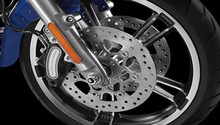
The front fork is the foundation your bike's handling and braking are built upon. Does your front suspension sometimes make you nervous? Do you experience excessive nose dive when braking? Can you feel your forks flexing as you corner at speeds? All of these issues are curable. Go out on a stretch of road where you don't have to worry about traffic and practice a few hard stops with the front brake, paying attention to the fork dive. Practice some figure 8 maneuvers in a parking lot and pay attention to any flex as you change your steering inputs. Examine your front tire for signs of unusual wear or "cupping."
- Make sure your forks have enough fluid in them. The current 49mm Dyna forks require about 28oz of fork fluid in each fork leg. Too little oil can allow the bike to nose dive and pogo over bumps, while too much can cause it to not compress at all.
- Consider higher viscosity fork oil. Harleys ship with a 5W oil, but for larger riders, more aggressive riding, or carrying a passenger and luggage it is too light. There is a 15W "Screamin' Eagle" oil, and all sorts of weights from BelRay and other companies. I personally run 20W, but my motorcycles go through hell and back.
- Consider progressive fork springs. The Dyna is designed to be a comfortable cruiser, but it can be too soft. Progressively wound fork springs get stiffer as they compress to limit bottoming and excessive brake dive.
- Consider upgraded internal fork components. The latest Harley forks have cartridge damping and are much better than the old damping rod system. Companies like Kraus Moto, Ohlins, Works, and Hagon offer products that will truly turn your Dyna into a whole new beast.
- Consider adding a fork brace to help keep your forks from flexing. They make a huge difference to the confident feeling through the bars and are relatively inexpensive.
- If cornering is the issue, if the bike follows rain grooves, or wanders while going straight, consider your front tire as the culprit. The simplest solution is often the correct solution. Some tires are better than other when new, but after a few years even the best tire can display erratic behavior.
Pro Tip
Your front suspension is critical when talking about safe handling and braking. As you apply brakes or input steering conditions, your forks are submitted to extreme amounts of pressure. If they do not handle the pressure properly, you can't slow down fast enough without breaking traction or locking up your wheel. I often recommend suspension upgrades as your primary upgrades, even before exhaust. They make your bike much safer, and much more fun to ride.

Step 2 – Check your rear suspension performance
Rear suspension can affect your motorcycle in more ways than you think. Does your Dyna bottom out when going over bumps? Does your bike bounce when riding on the interstate? Does the rear wheel feel squirrelly when accelerating in a corner? Check out the following possibilities when troubleshooting these issues.
- First and foremost, check your tire wear and air pressure. More often than not, this is at least part of the issue.
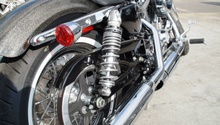
- Adjust the pre-load on your factory shocks. Most modern Harleys are equipped with adjustable shocks from the factory. They are generally set on the softest setting from the factory. These are adjustable from 1-5, with five being the most stiff.
- Inspect and lubricate your swing arm bushing. Try moving the wheel from side to side in relation to the bike and look for play in the swing arm. Pop the dust cover off and make sure there is grease in there.
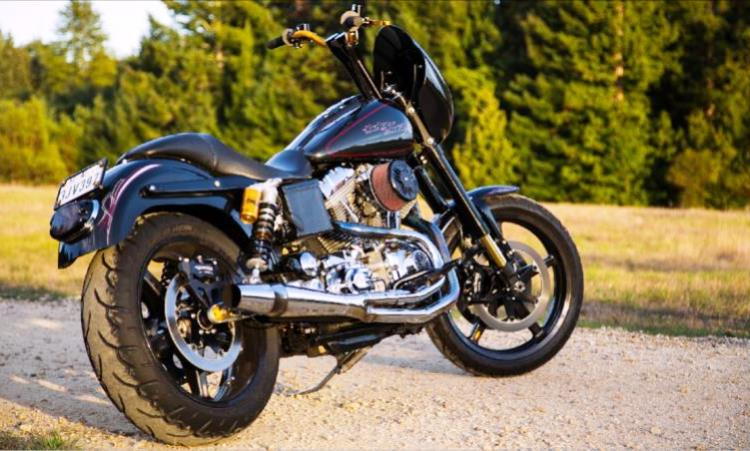
- Consider replacing your rear shocks. Companies like Works, Hagon, Ohlins, and Progressive offer options at any price point that will make a huge impact on the handling of your Dyna, with springs specifically for the weight of you and your bike, and damping to match.
Pro Tip
Rear suspension upgrades will make your bike more confident in the corners, and safer as well. It will also improve your comfort while riding and help to alleviate sore butts and backs. This is absolutely the most bang-for-your-buck area to upgrade on your Dyna.
Related Discussions
- Rear Shock Upgrade for Dyna Street Bob - HDForums.com
- Dyna Suspension Upgrade - HDForums.com
- Time to Upgrade the FXDB Suspension - HDForums.com