
1915 Harley-Davidson 11K is a Stripped-Down Factory Racer
Daily Slideshow: Rare factory-built racer was found on an Argentinian scrapheap.



Spectator Race
Early twentieth-century board track racing was once the most popular spectator sport in America. The first dedicated board track motordrome opened in Los Angeles in 1910. While Harley-Davidson had dabbled with racing in 1904, it took a decade before the Motor Company committed to a racing program.
All photos courtesy of Silodrome
Rare Racer
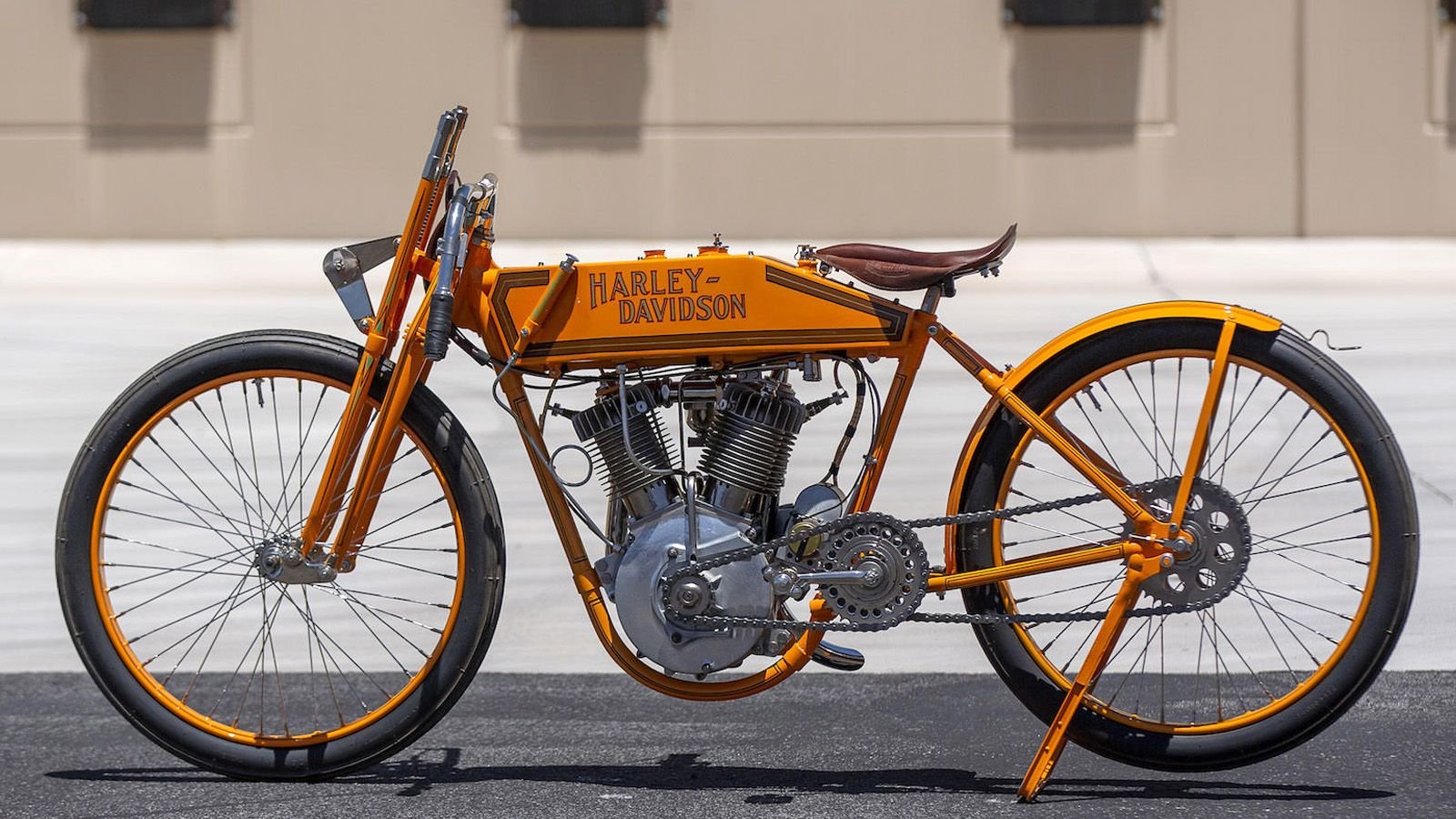
Hired from Thor Motorcycles in 1913, William Ottaway was tasked with building a factory racer for Harley-Davidson. As a starting point, Ottaway used the existing Model 10 to build the 11K Board Track Racer. The example shown here was found on a scrapheap in Argentina — abandoned because of a dropped valve and failed piston. A rare find, this 11K is among the few remaining out of the seventy-nine examples ever built.
>>Join the conversation about the classic 1915 Board Racer bike right here in HDForums.com.
Outstanding Terror
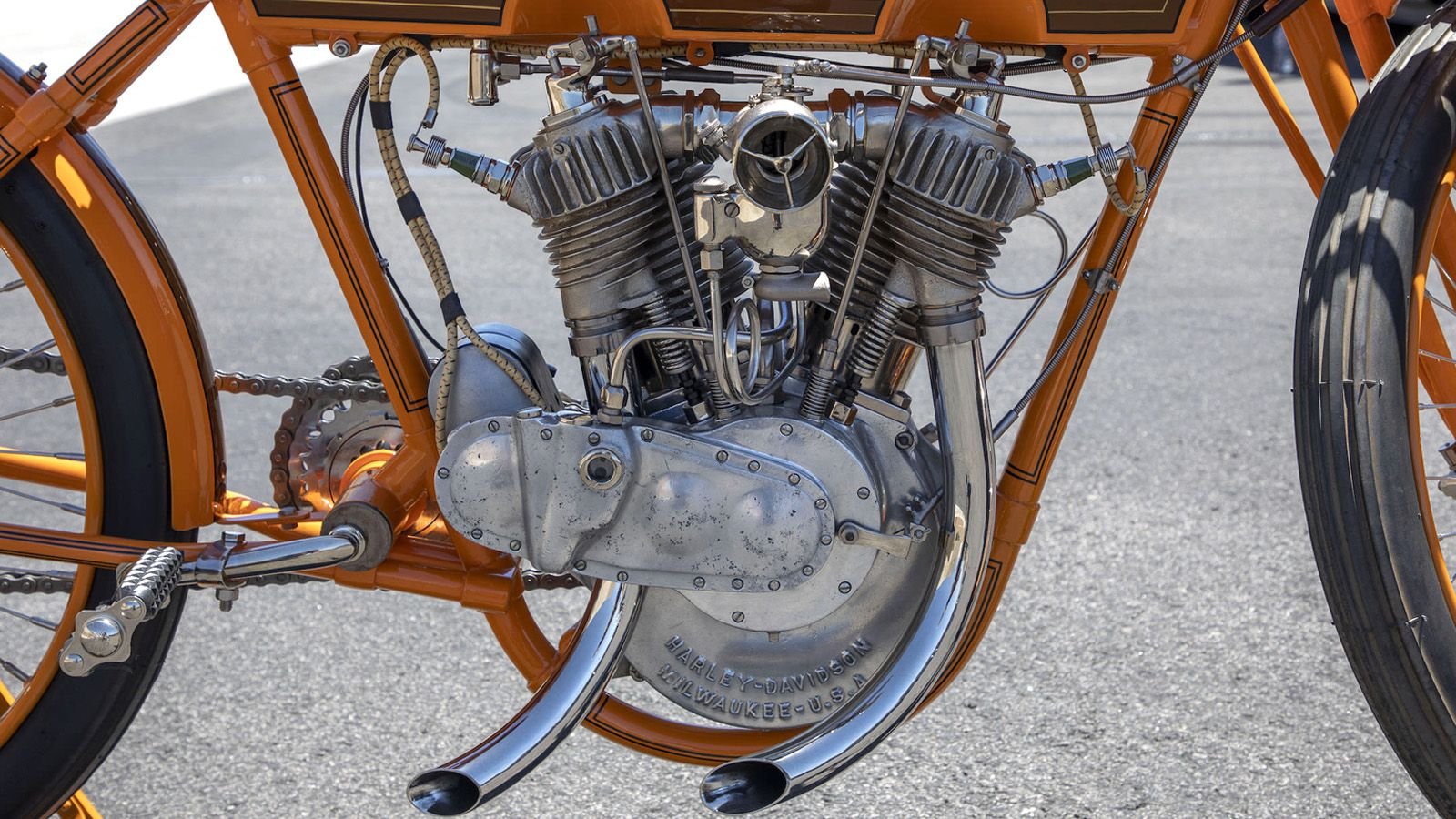
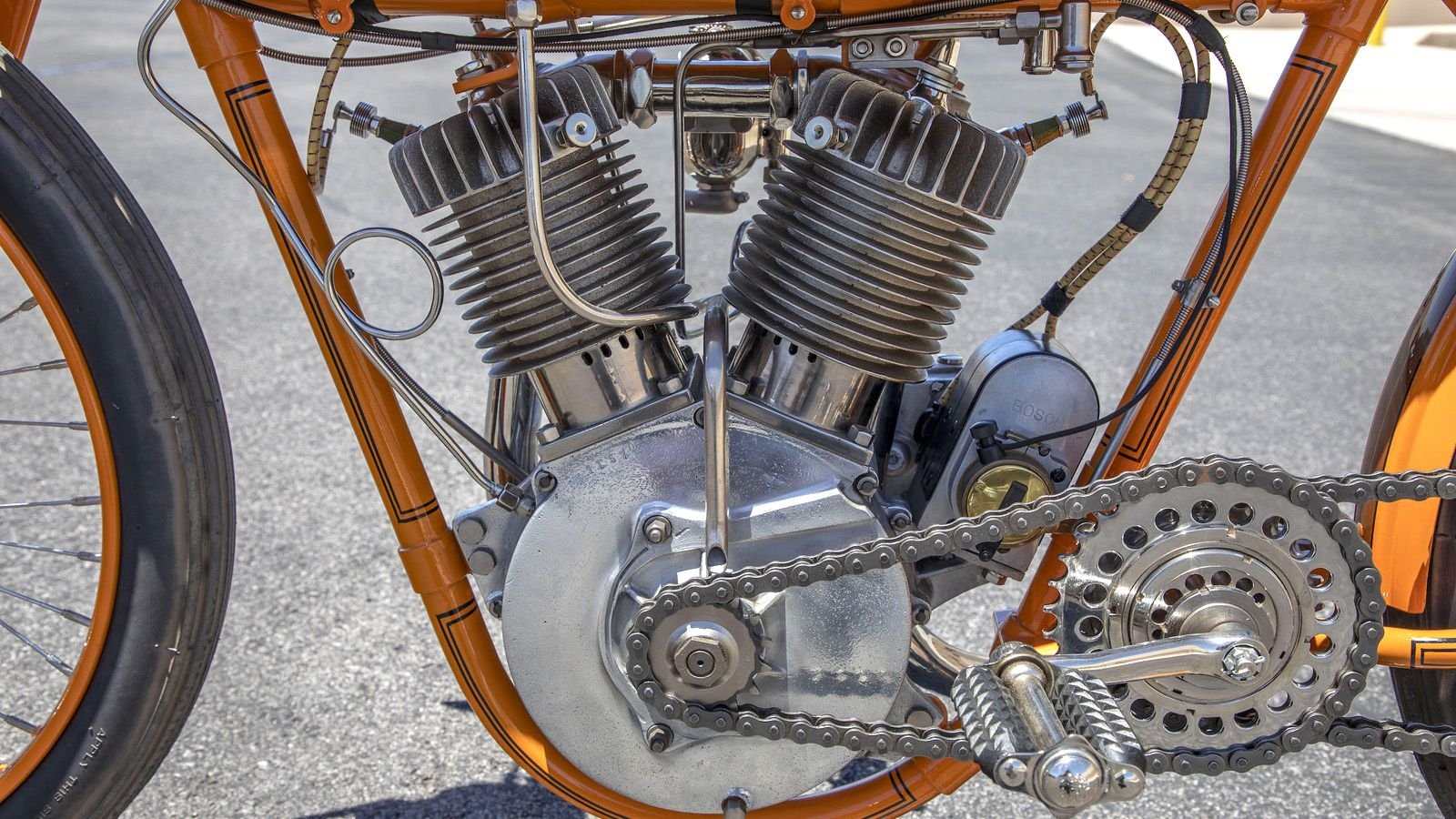
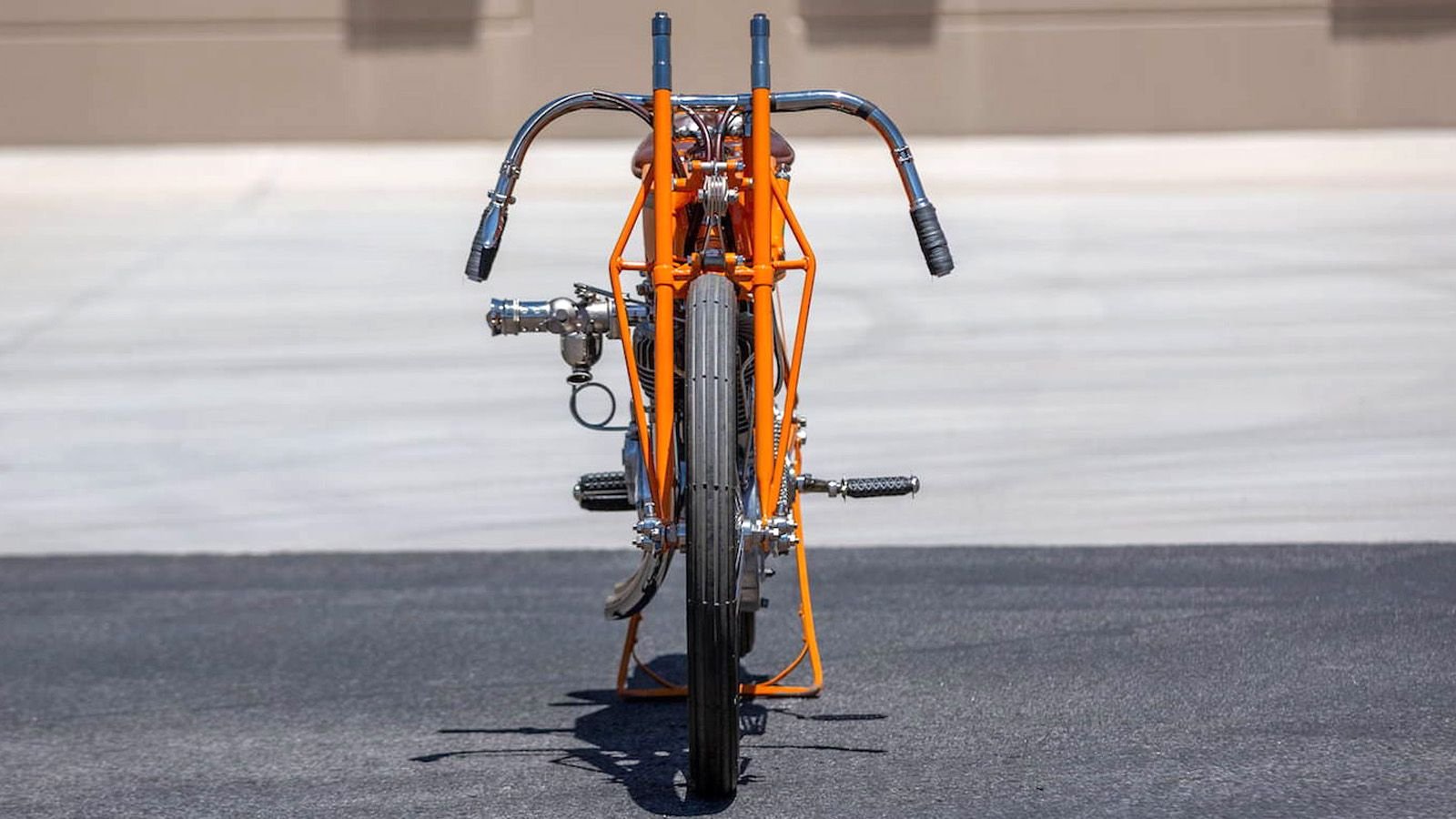
Meticulously restored, this 11K won Most Outstanding Motorcycle at the Greenwich Concours d’Elegance in 2017. Earning the nickname 'Stripped-Stock Terror,' the worked-over 61 cubic-inch 11K motor produced 11 horsepower — five more than stock. Connected to a lever on the handlebar, the compression-release arm is located to the front of the engine. The exhaust on the racing 11K has been cut back to a bare minimum.
>>Join the conversation about the classic 1915 Board Racer bike right here in HDForums.com.
Alcohol Endurance
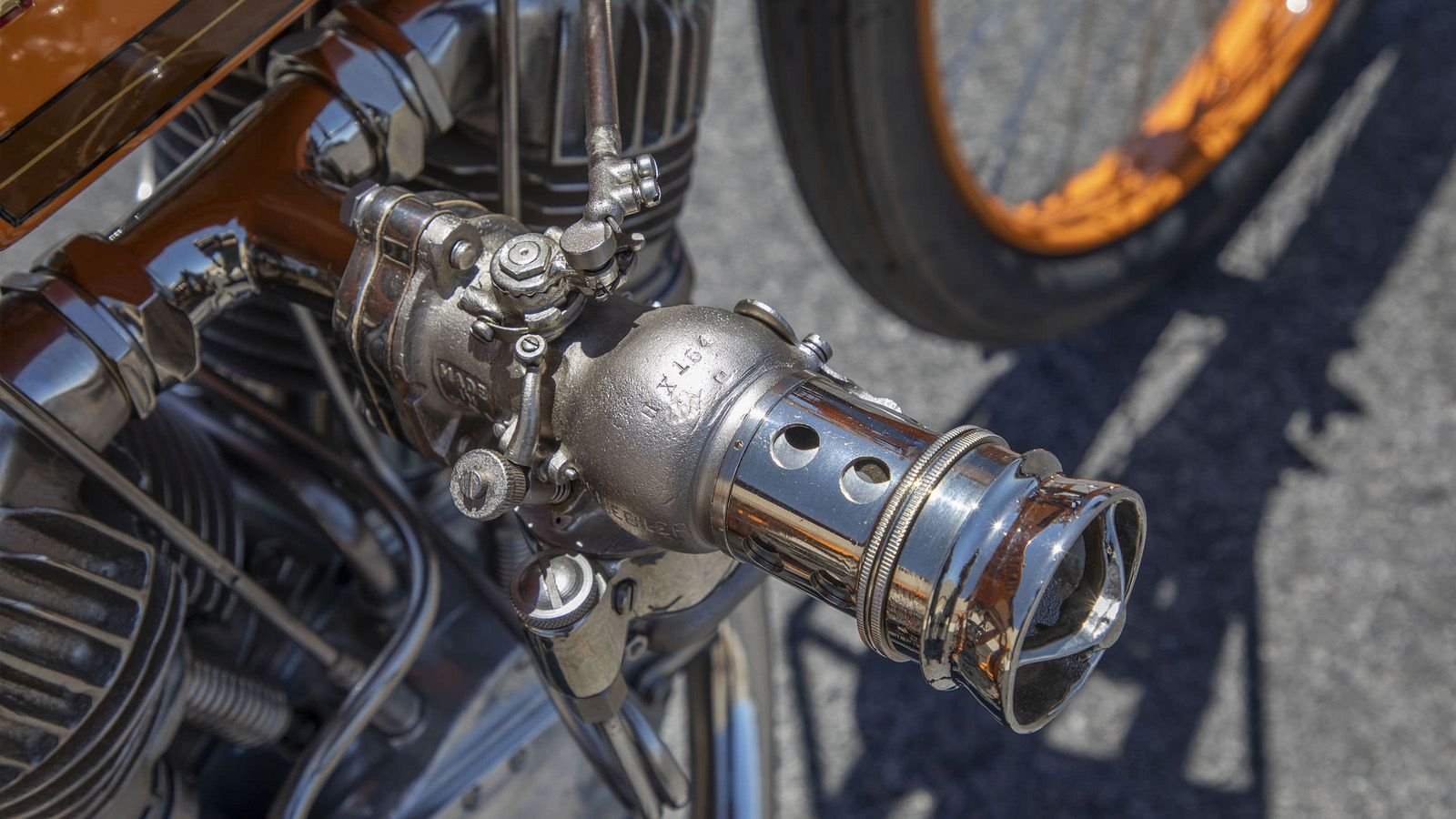
Fed with alcohol, the adjustable Schebler racing carburetor guaranteed the Motor Company's “no end of speed” promise. The first appearance of the 11K was at the 1914 Dodge City 300, a 300-mile endurance race in Dodge City, Kansas. Harley Davidson was unable to keep pace for the entire race but returned to win in 1915, 1916, 1920, and 1921.
>>Join the conversation about the classic 1915 Board Racer bike right here in HDForums.com.
Modified for Speed
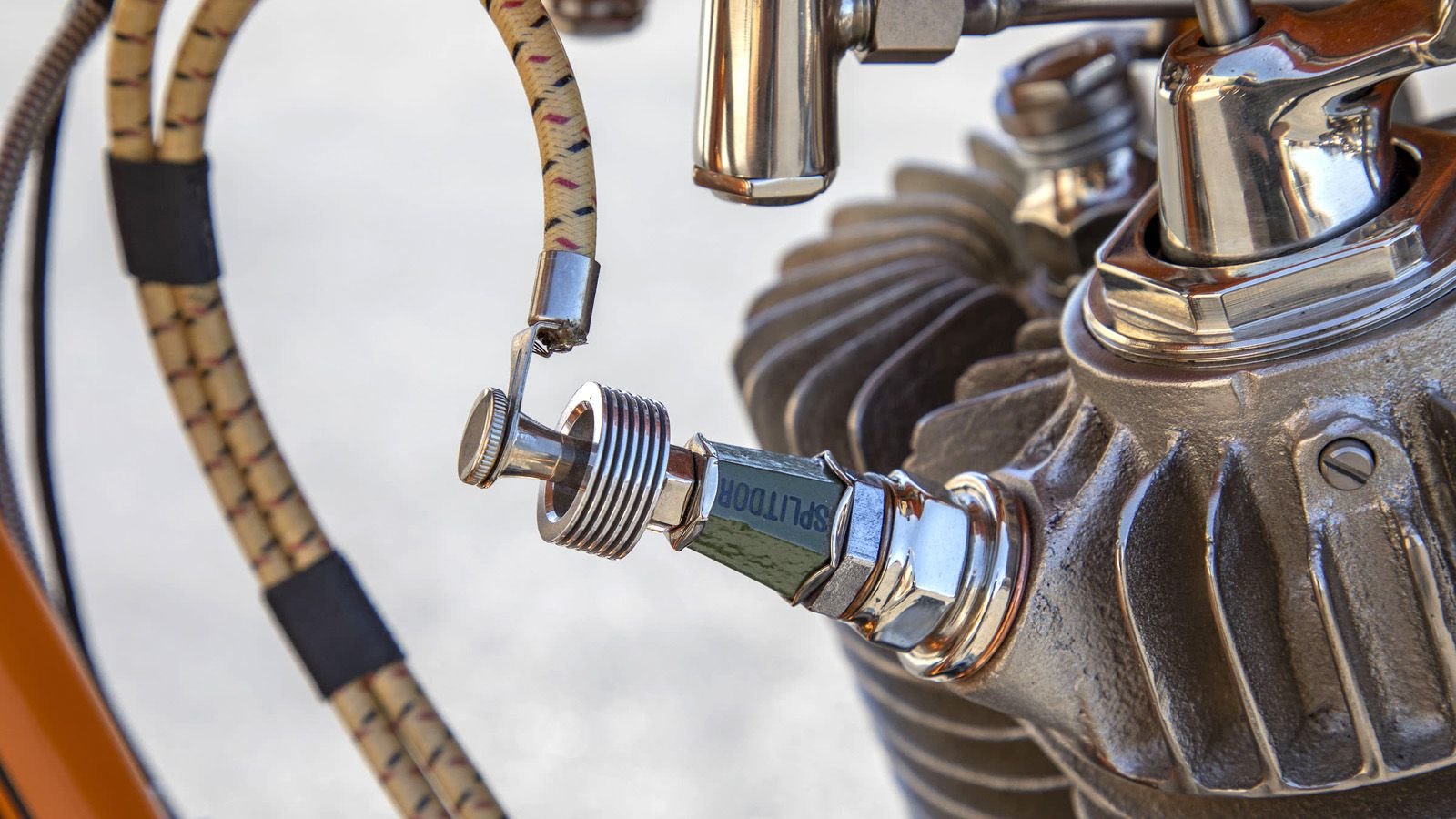
The hot IOE engine featured a magneto ignition, 1.25-inch racing intake manifold, 1.25-inch exhaust ports, one-year-only ported cylinders, and stiffer valve springs, and a high lift racing cam, all running on a strengthened flywheel. In addition, the rocker towers and rockers have top and side oilers, while the oil pump was integrated into the gear case casting.
>>Join the conversation about the classic 1915 Board Racer bike right here in HDForums.com.
Parts Bin Special
Harley-Davidson official archival records show only seventy-nine competition motorcycles were built from 1914 to 1921. The discovery of this mostly intact 11K is stunning. Almost all race machines of the era were parted-out. They were obsolete on the track after just one or two years, and with no clutch, brakes, or suspension they were not road worthy. Note the direct chain oiling, absence of the stock 'primary' cover, and omitted floorboards.
>>Join the conversation about the classic 1915 Board Racer bike right here in HDForums.com.
Repair and Restore
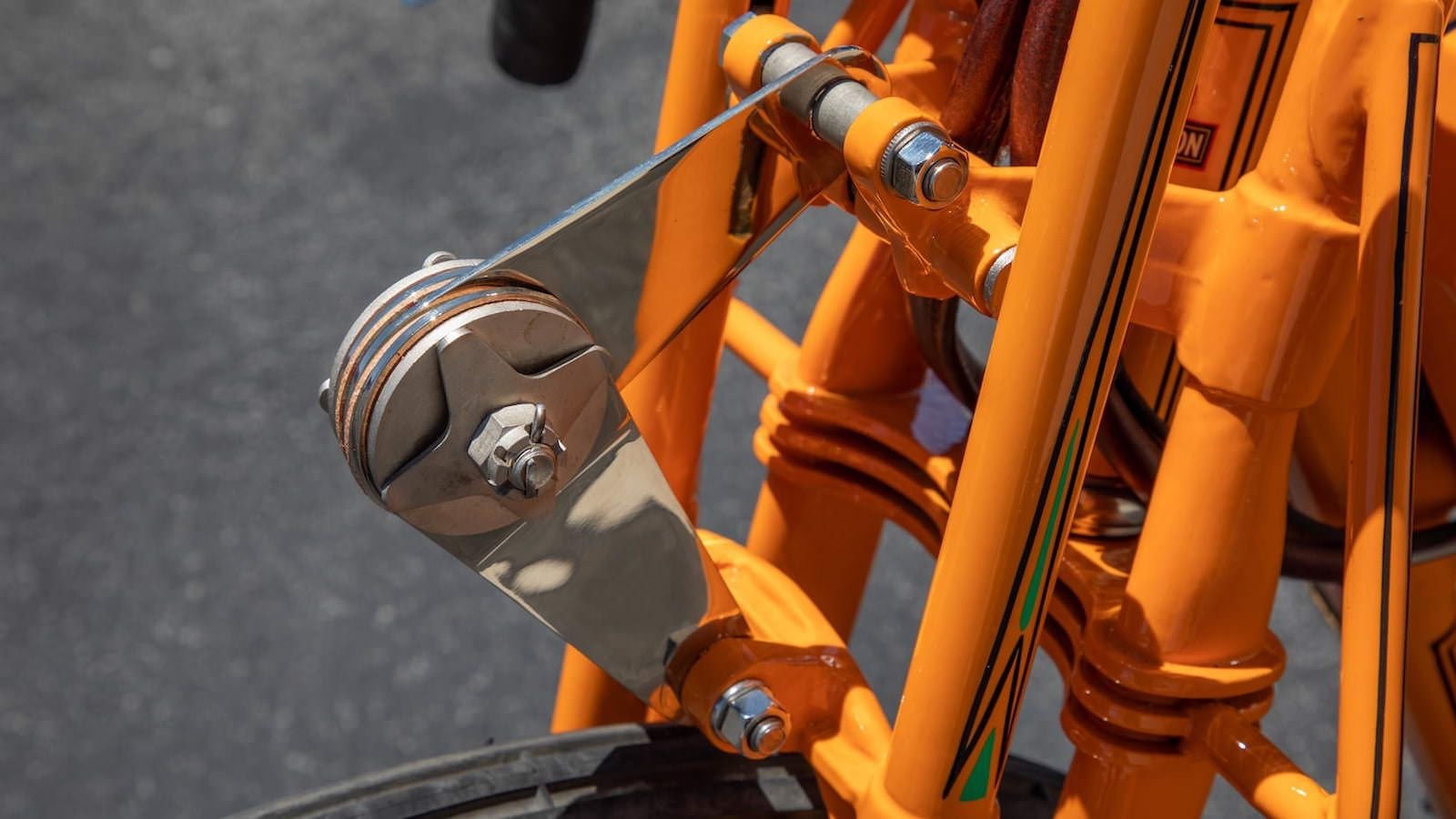
This 'Merkel' orange 11K was almost complete when it was found. Parts of the frame were missing, but the remaining bits were integrated into a new, period-correct frame. The original engine was carefully rebuilt and the blown piston replaced, new wheels were laced to the surviving hubs, and the braced racing fork with rare André dampers was rebuilt.
>>Join the conversation about the classic 1915 Board Racer bike right here in HDForums.com.
Money Seat
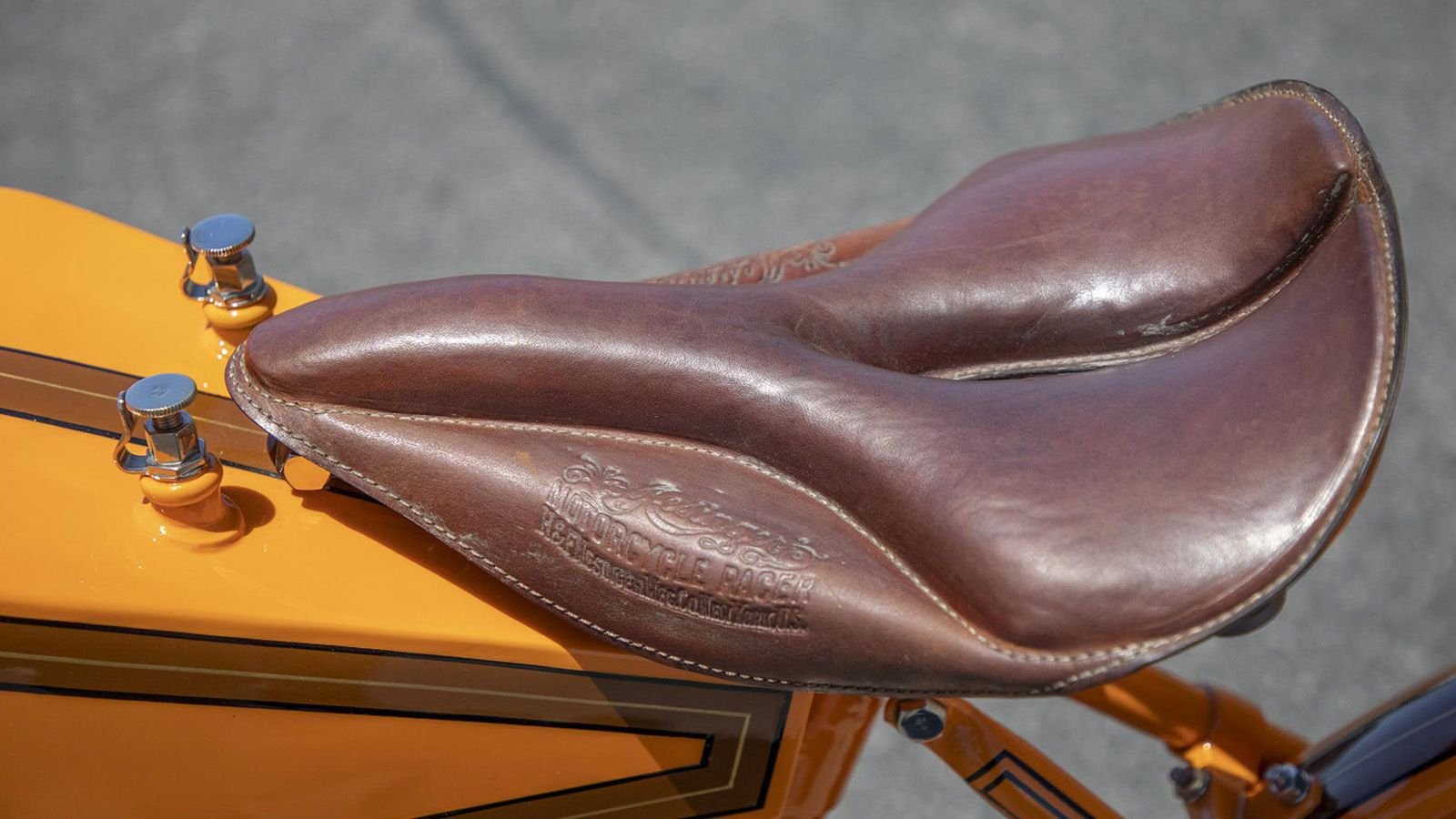
Made by the H&F Mesinger Mfg. Co. in New York, the Mesinger Motorcycle Racer seat looks as contemporary today as it was in 1915. This restored 11K allows a glimpse at one of the deadliest form of racing in the history of motorsports. Young riders knew of the dangers of racing in motordromes, dubbed 'murderdromes,' but chose to ignore them because the payoffs were so lucrative. Top racers could make $20,000 a year, nearly a half-million dollars in today’s currency.
>>Join the conversation about the classic 1915 Board Racer bike right here in HDForums.com.
Bearing Innovation
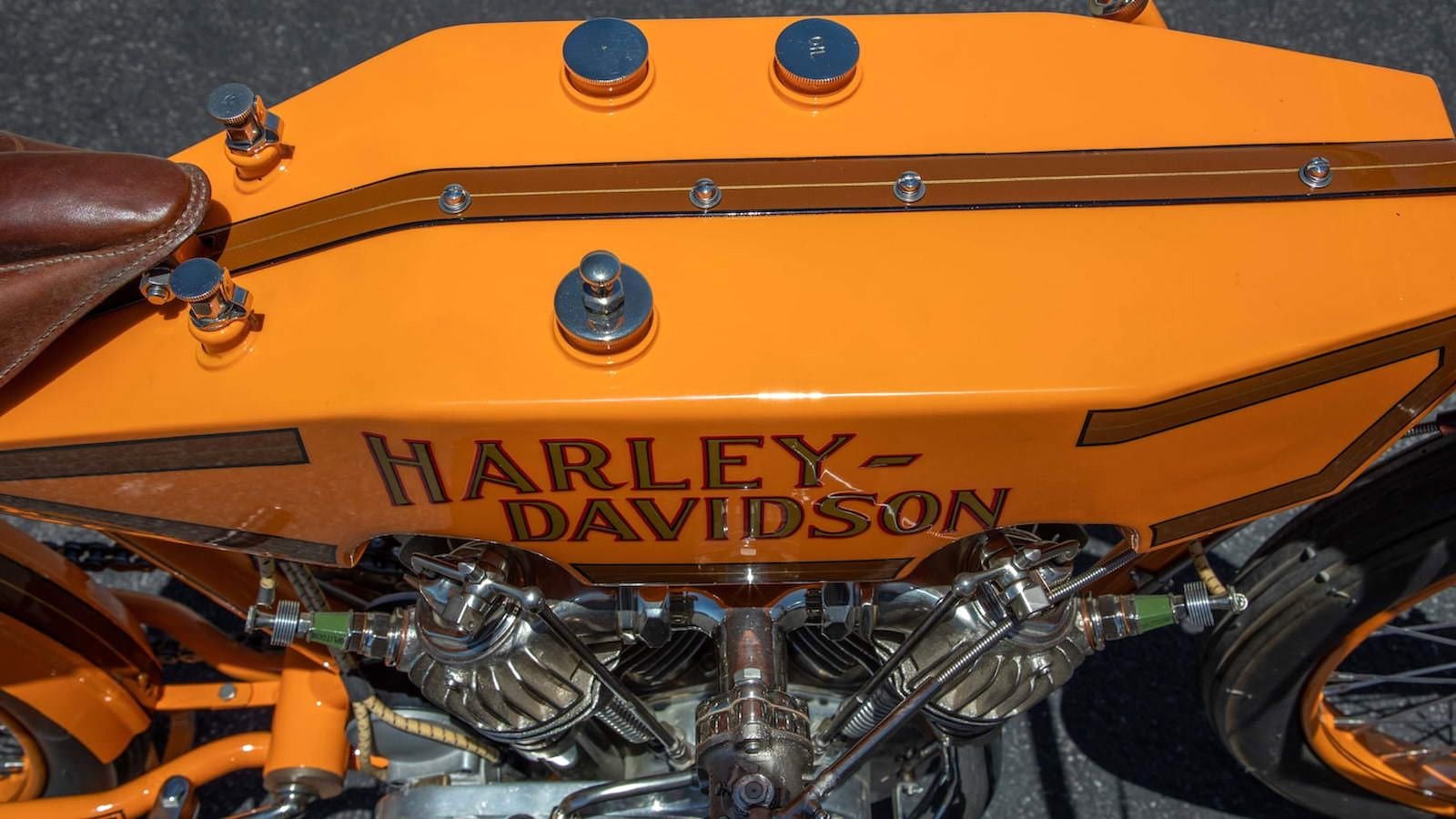
The 3.5-gallon racing tank is a reproduction of the original factory racing item. Below the pristine tank is a modified F engine with “narrow cases.” All Harley-Davidson racing engines from 1914 to about 1923 used these cases. The flywheels were located close together for strength, and a unique bearing was used to support the sprocket shaft. This 'self-centering' bearing system was advanced for its time and is still in use today.
>>Join the conversation about the classic 1915 Board Racer bike right here in HDForums.com.
Slick Sundays
By the mid-1920s, racing on the oil-slick boards of the motordromes began to lose its appeal. With the old adage of “Win on Sunday, sell on Monday.” dozens of manufacturers competed for the board track podiums. Among them were Excelsior, Indian, Thor, Cyclone, and many more. With the exception of re-born Indian Motorcycles, Harley-Davidson is the only company still “Selling on Monday.”
>>Join the conversation about the classic 1915 Board Racer bike right here in HDForums.com.
For help with your maintenance and repair projects, please visit our How-to section in the forum.
