Project seeks to address one of the Motor Company's biggest challenges.
Entice Riders
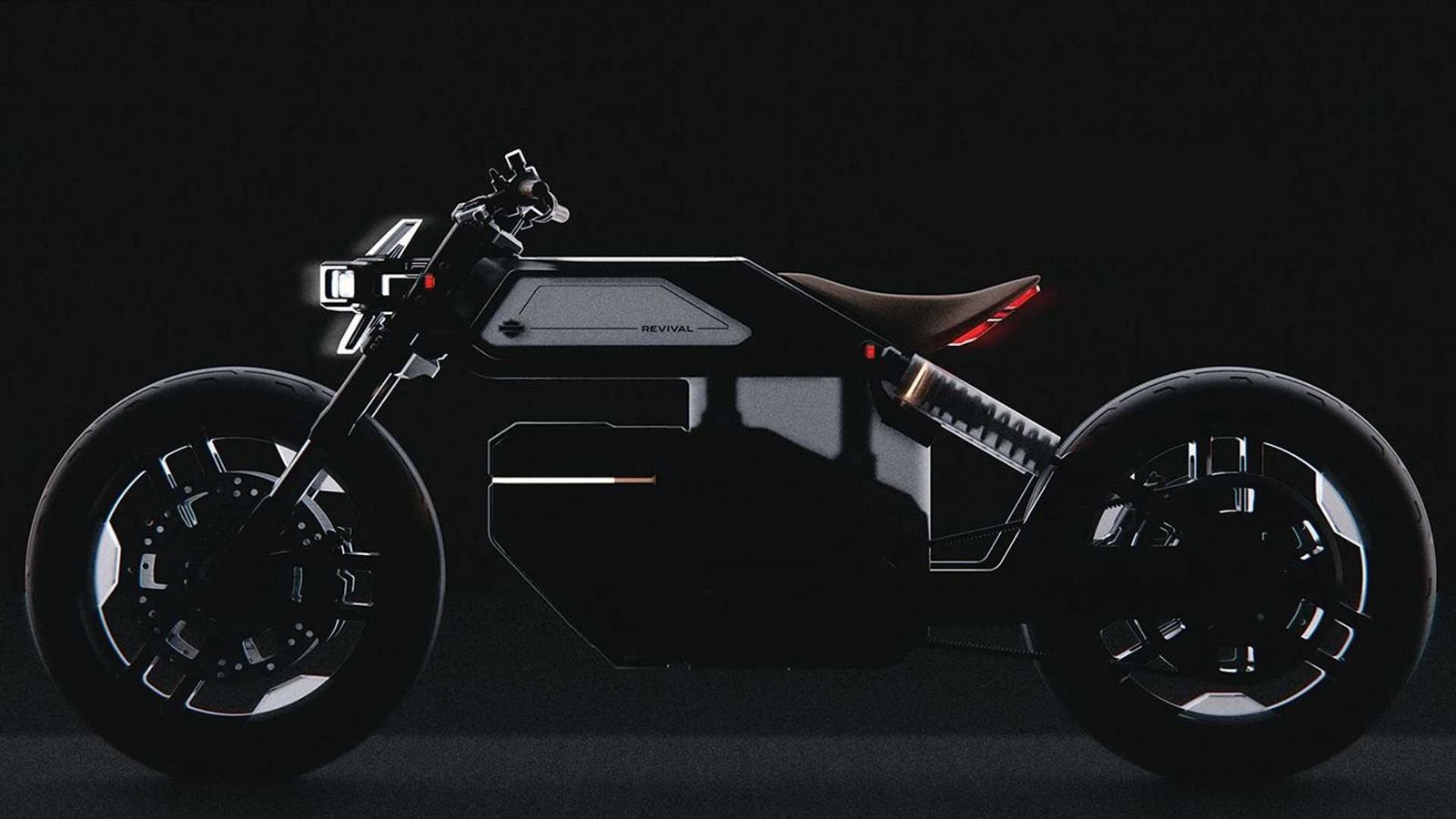
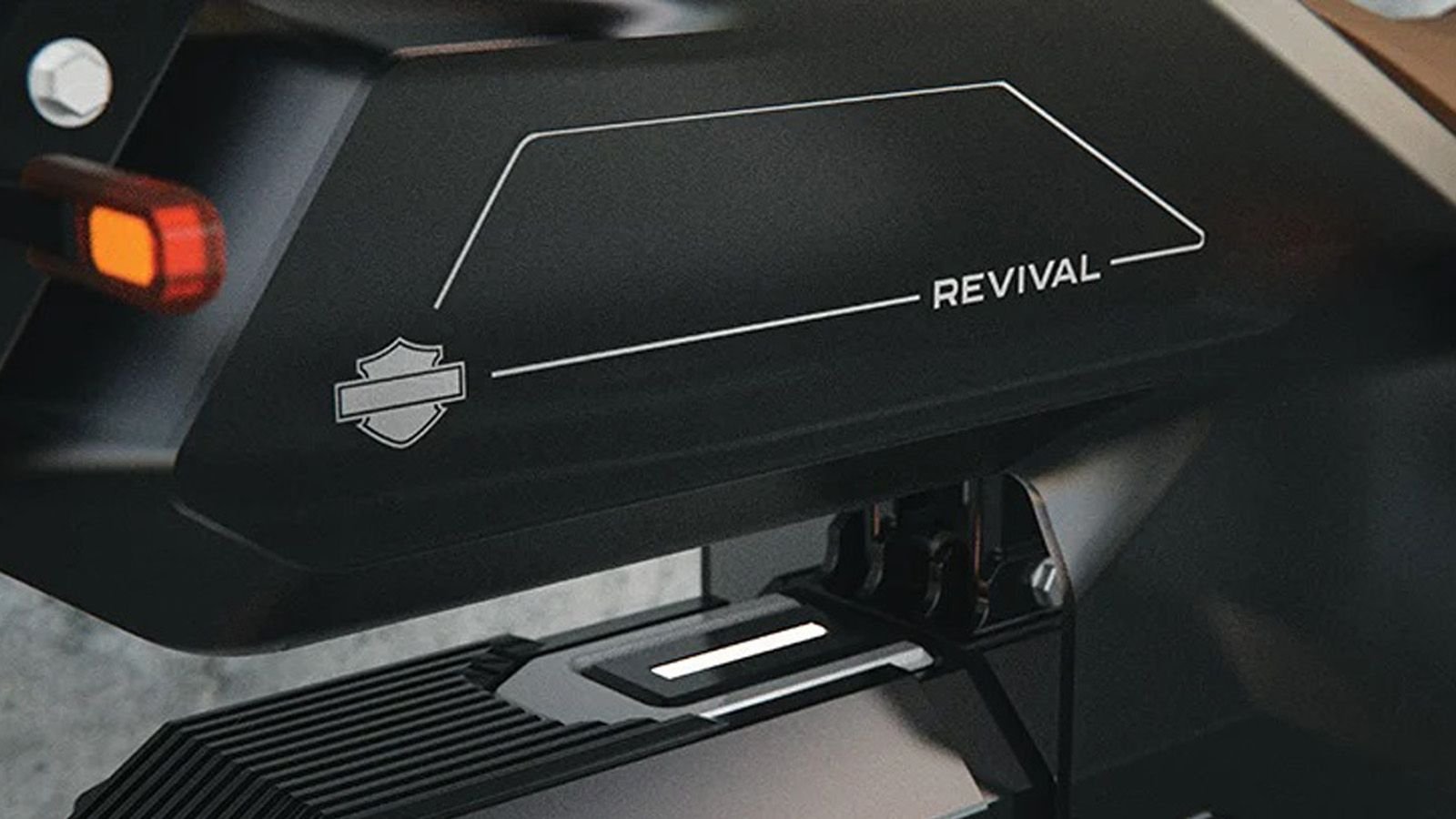
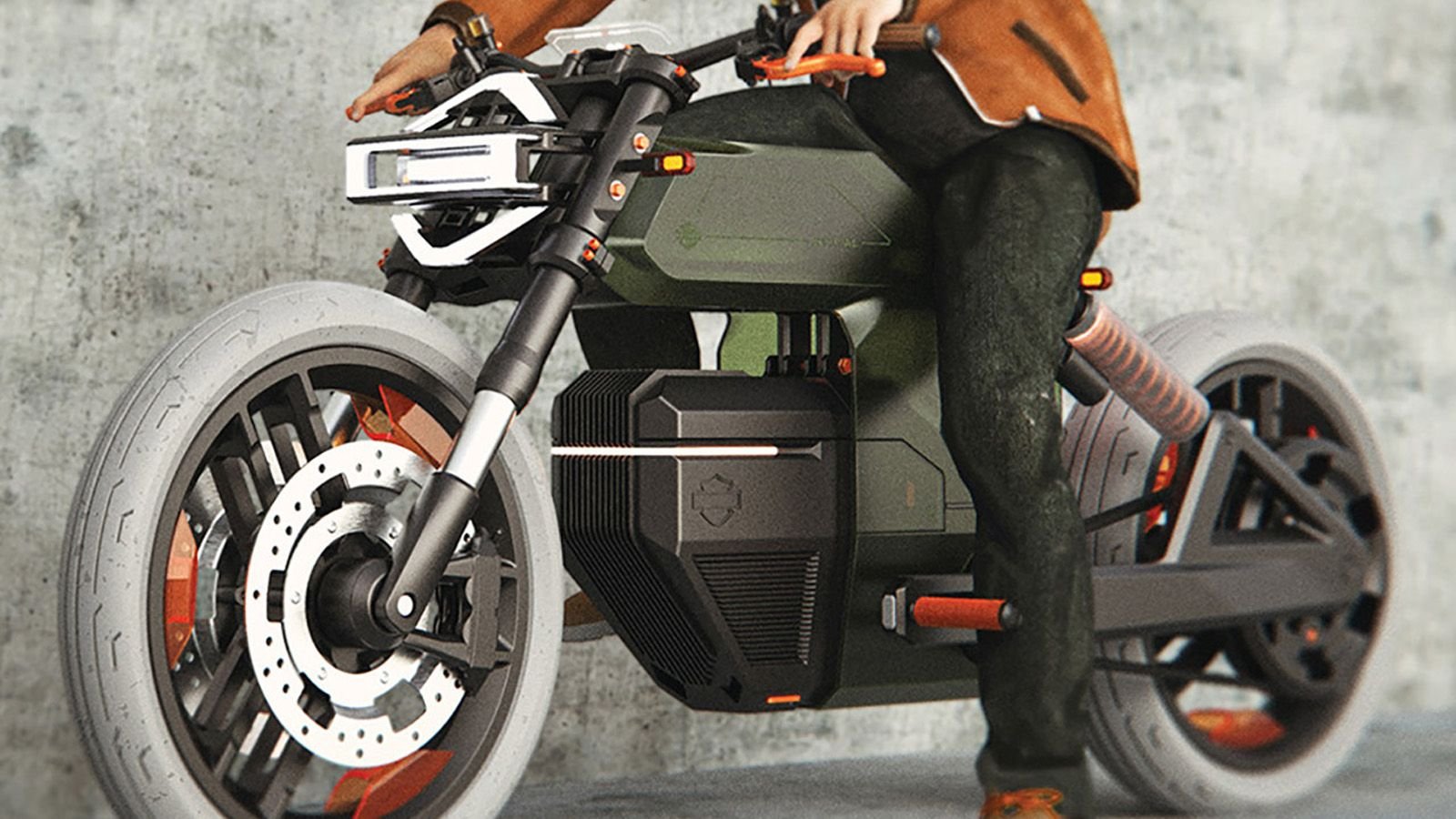
The Revival is not an official Harley-Davidson design, but it makes the right connection. Imagined by recent graduate Tanner Van De Veer, the Revival won the University of Cincinnati's 2020 DAAPworks Transportation Design Award. The project's premise seeks to address one of the Motor Company's biggest challenges—how to entice new young riders.
Dilemma Generation
When envisioning the Revival, Van De Veer posed a simple question, “How can Harley-Davidson create a more accessible motorcycle to reach younger audiences?” Released in 2019, the LiveWire was meant to address this dilemma, while inciting desire in the next generation of enthusiasts. Partly due to the high price tag, it fell short on sales, but it did succeed in captivating interest.
Halo Ground
At the time, then CEO Matt Levatich was unapologetic about the Live Wire, and he rightly stated, “We made a deliberate decision to launch a halo product to demonstrate what’s possible in electric...a no-excuses electric Harley-Davidson...and we feel very good that we’ve done that.” What is required now is a middle ground—an affordable all-electric bike built with the same Milwaukee-quality.
Subscription Economy
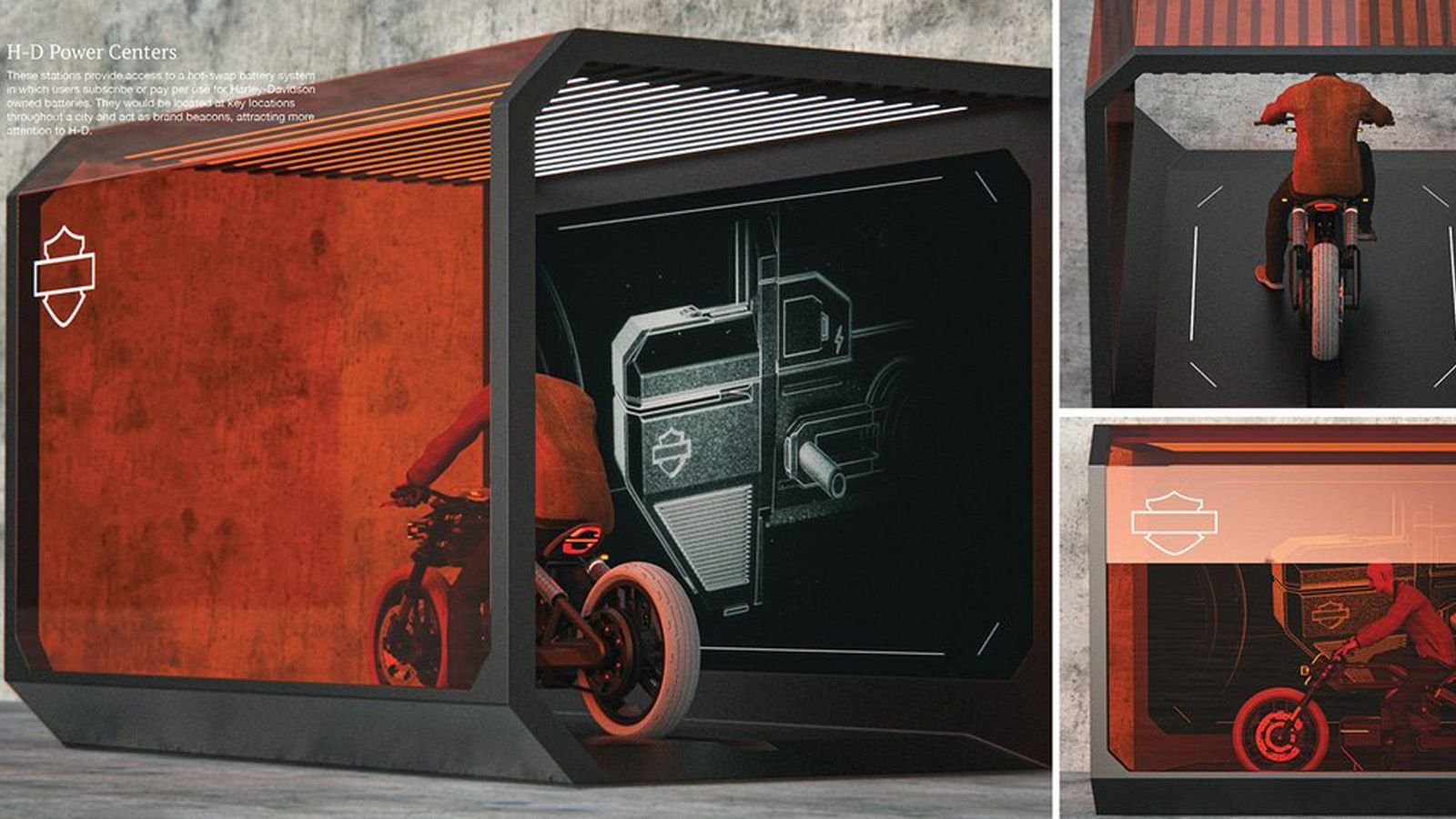
The Revival is smartly positioned, and also considers virtual aspects unique to electric motorcycles. Similar to app-driven carsharing, Van De Veer proposes a subscription-based, swappable, battery program. Coupled with existing charging stations, this approach would provide more convenience and eliminate downtime. Using an economy of scale, the larger the subscription base, the more individual owners would gain in cost benefits.
Digital Initiative
Apps and virtual subscriptions might seem a bit strange, but any conversation with the next generation of bike buyers starts online. Understanding this, Harley-Davidson recently created a Chief Digital Officer position. Led by Jagdish Krishnan, a former Bose Corporation executive, the goal is to “prioritize building relationships with existing and new customers through the company’s digital platforms.”
Futuristic History
This change in mindset is reflected in Van De Veer's design approach. Harley-Davidson has a brand image that both appeals and repels. Many would-be new riders want to be associated with the brand's traditional prowess but without the preconceived 'biker' image and unsustainable aspects of gas-powered machines. Trying to satisfy both sides the Revival is a futuristic concept that pulls from history.
Critical Use
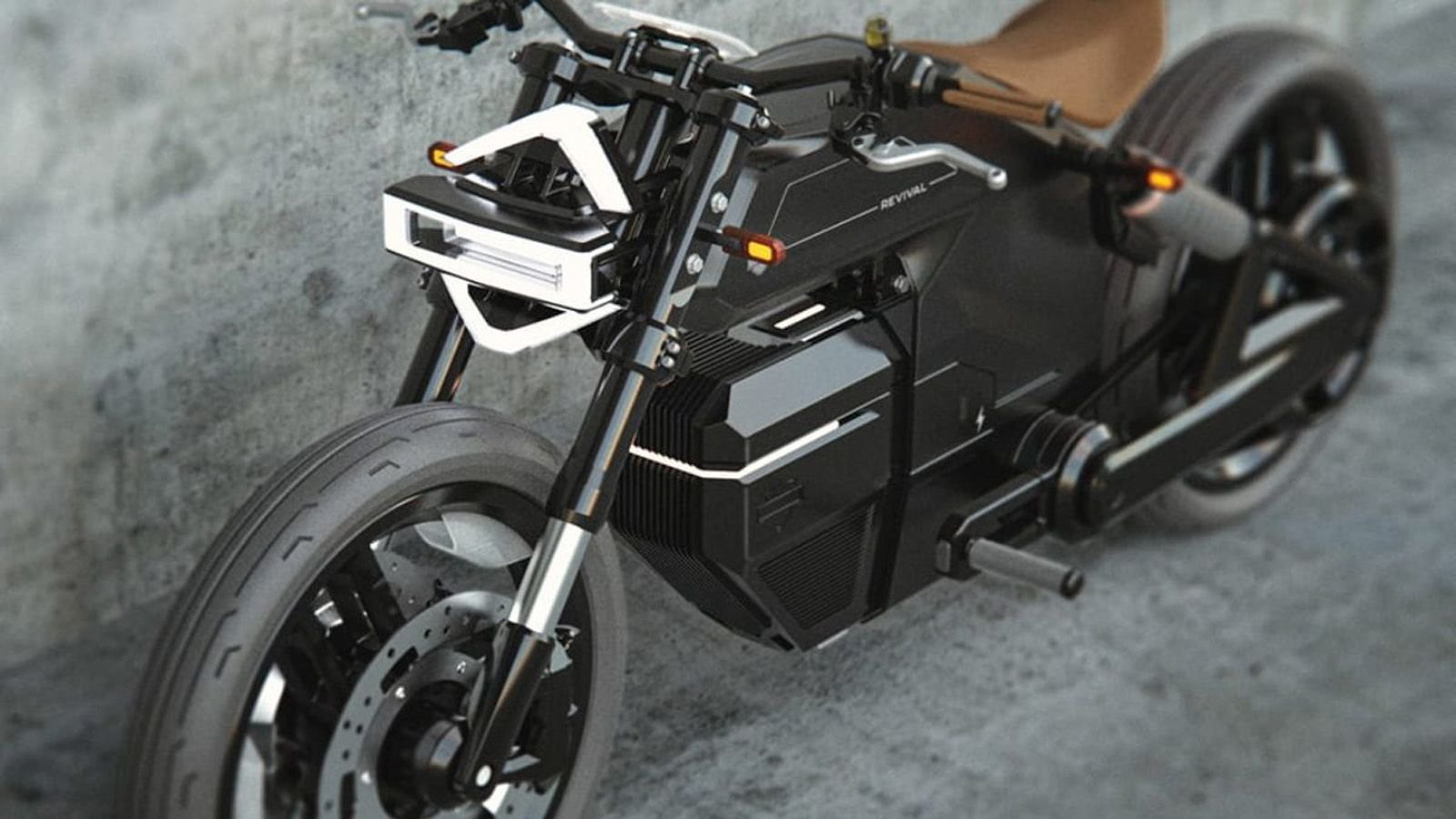
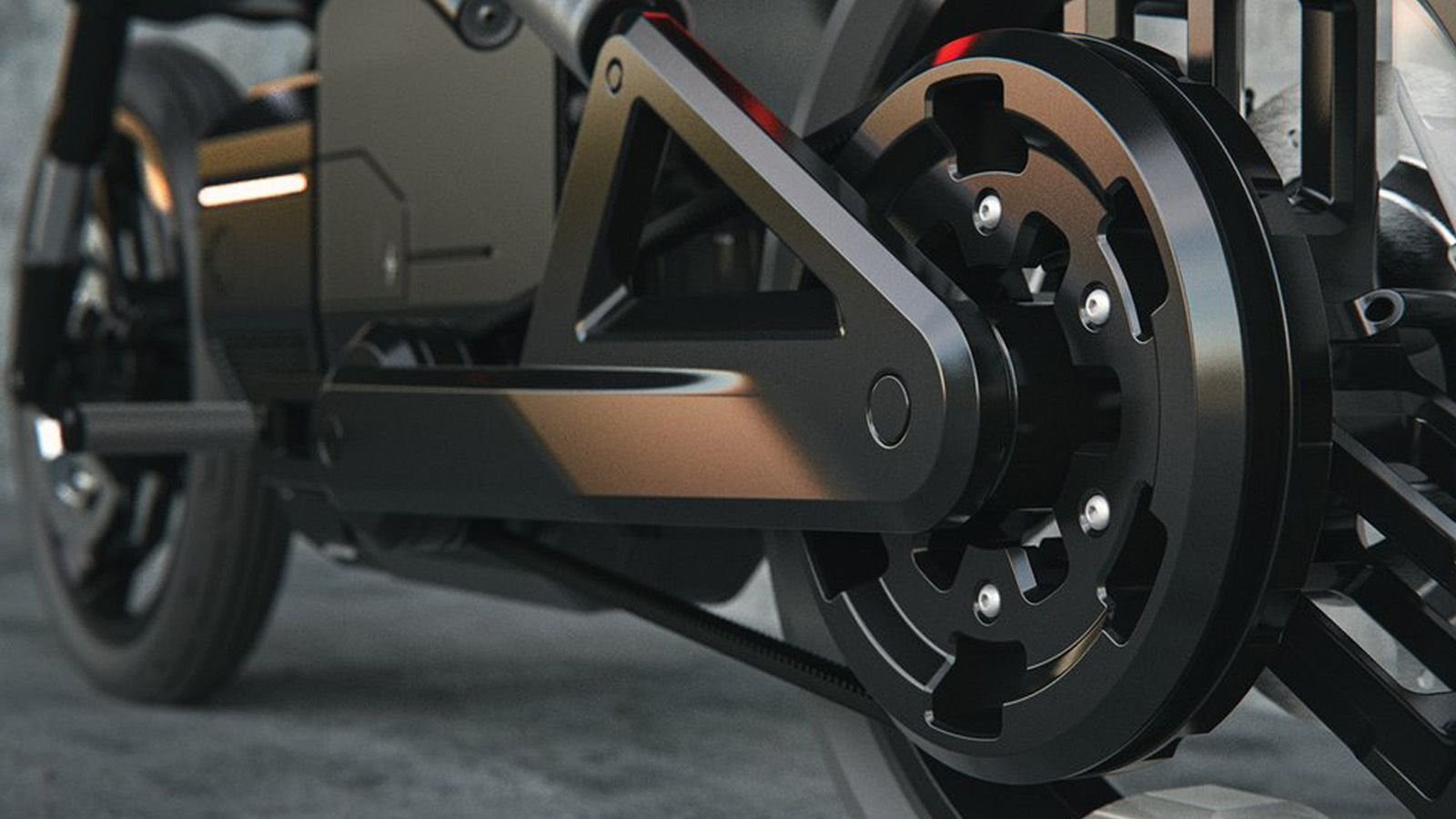
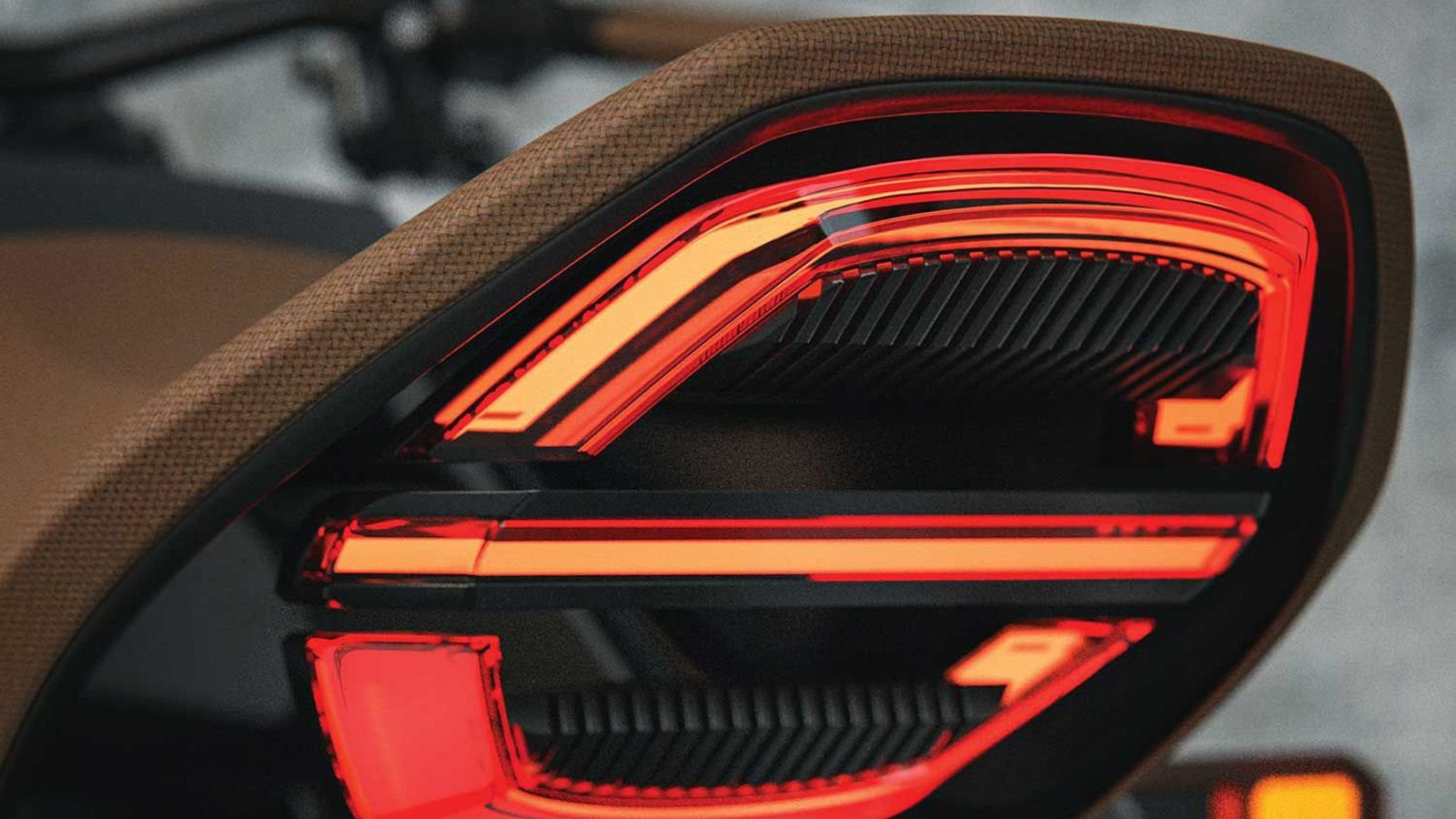
Projecting a muscular and iconic look, the Revival's key lines take inspiration from early board track racers. The proposed bike also carries an industrial vibe coupled with functionality. Standouts are the logo-shaped LED lights, Carhartt-clad seat and leather accents. Adjustable footpegs and a low center of gravity make the Revival accessible and easy to use—critical for new riders.
Premium Base
The Revival is a fanciful design that will never see production, but it is the message, not the medium that is important. Van De Veer's winning idea shows that the next generation is already engaged with Harley-Davidson and riding, but want alternatives. But, this may have to wait. The Motor Company's recent refocus is on existing premium models and its current customer base.
>>Join the conversation about the Harley Revival right here in HDForums.com.
For help with your maintenance and repair projects, please visit our how-to section in the forum.