Blacked-out finishes, chrome accents, and distinctive graphics forever cemented a reputation.
Distinctive Trend
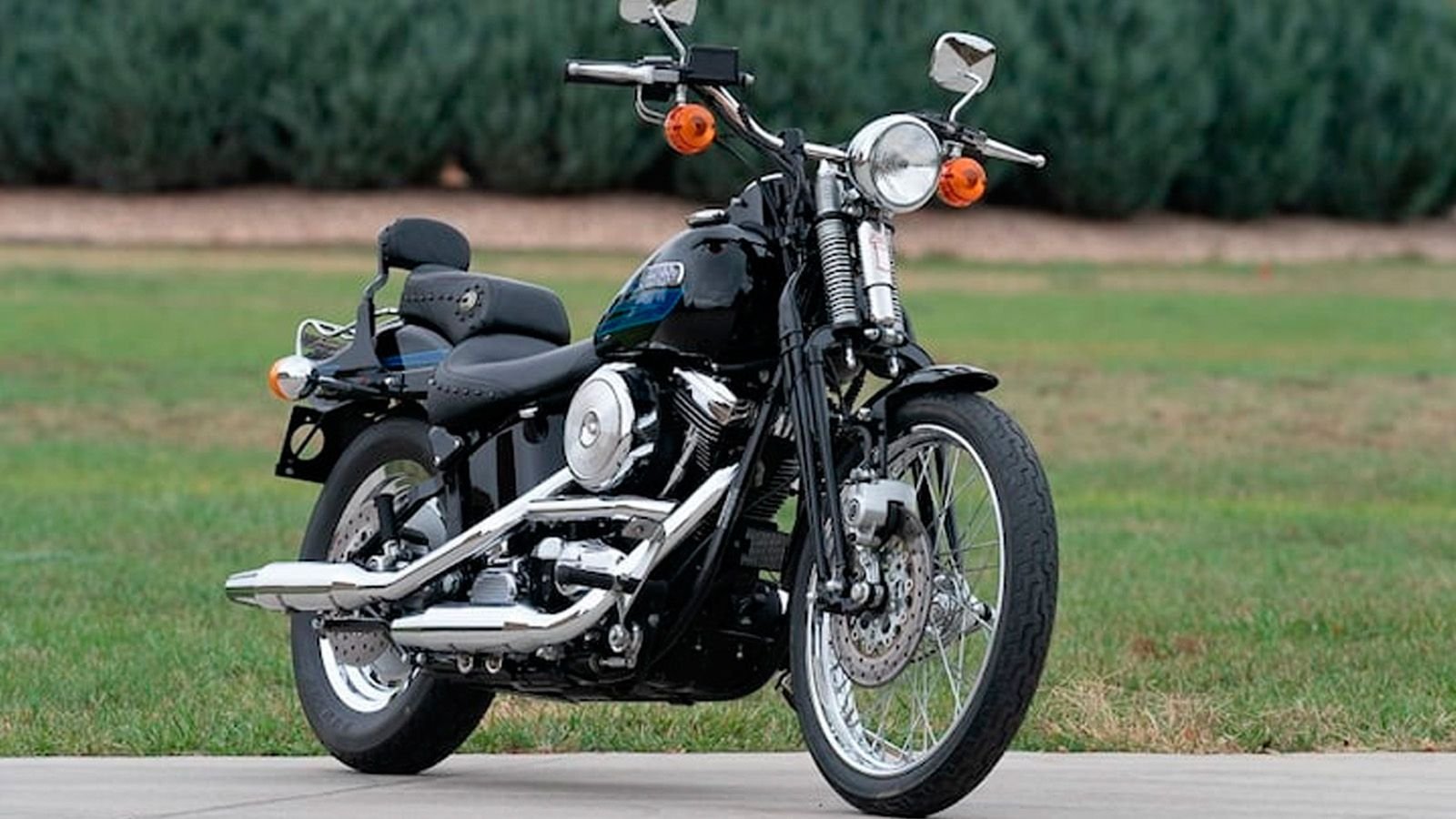
The FXSTSB Bad Boy is the coolest Harley-Davidson ever produced. Long before Harley-Davidson summoned its attitude-driven 'Dark Custom' lineup, Willie G. Davidson conjured up the Bad Boy, while tapping into a trend that was still over a decade away. In the process, he melded blacked-out finishes with chrome accents and distinctive graphics, forever cementing the Bad Boy's reputation.
Photos courtesy of Mecum Auctions.
Iconic Influence
While 'coolest Harley-Davidson ever' might be a reach, Willie G. Davidson's creative and lasting design legacy is not. Thinking ahead of his time, Davidson pushed the existing 1995 Softail Springer into a league of its own with the Bad Boy. Despite being released in low numbers from 1995 to 1997, the Bad Boy went on to influence other iconic Softail models.
Transplanted Efforts
Released a year after the Bad Boy's demise, the 1998 Night Train took the all-black look to an extreme. While not a Springer, the Night Train became a popular candidate for transplanted Bad Boy frontends, giving rise to the obscure term, Bad Train. Springer styling efforts culminated in 2008 with the Cross Bones, a murdered-out machine that channeled decades-old bobber styling.
Debut Order
Only 8,346 Bad Boys were ever built throughout its three year run. They were all painted black, only differentiated by the color of the stripes on their tank and rear fender. For the debut year, 3,397 examples were released, 1,747 with blue graphics and 1,618 with red stripes. Two Bad Boys from 1995 were Special Order, with no record of their livery.
Output Numbers
Production numbers for 1996 followed a similar path, but with different stripe colors. Out of a total of 3,344 built, 1,103 units had purple stripes, 1,183 had turquoise and the remaining 1,058, had yellow stripes. The latter is one of the more striking combinations for the Bad Boy. In its last year of production, output numbers dropped by half.
Distinguishing Elements
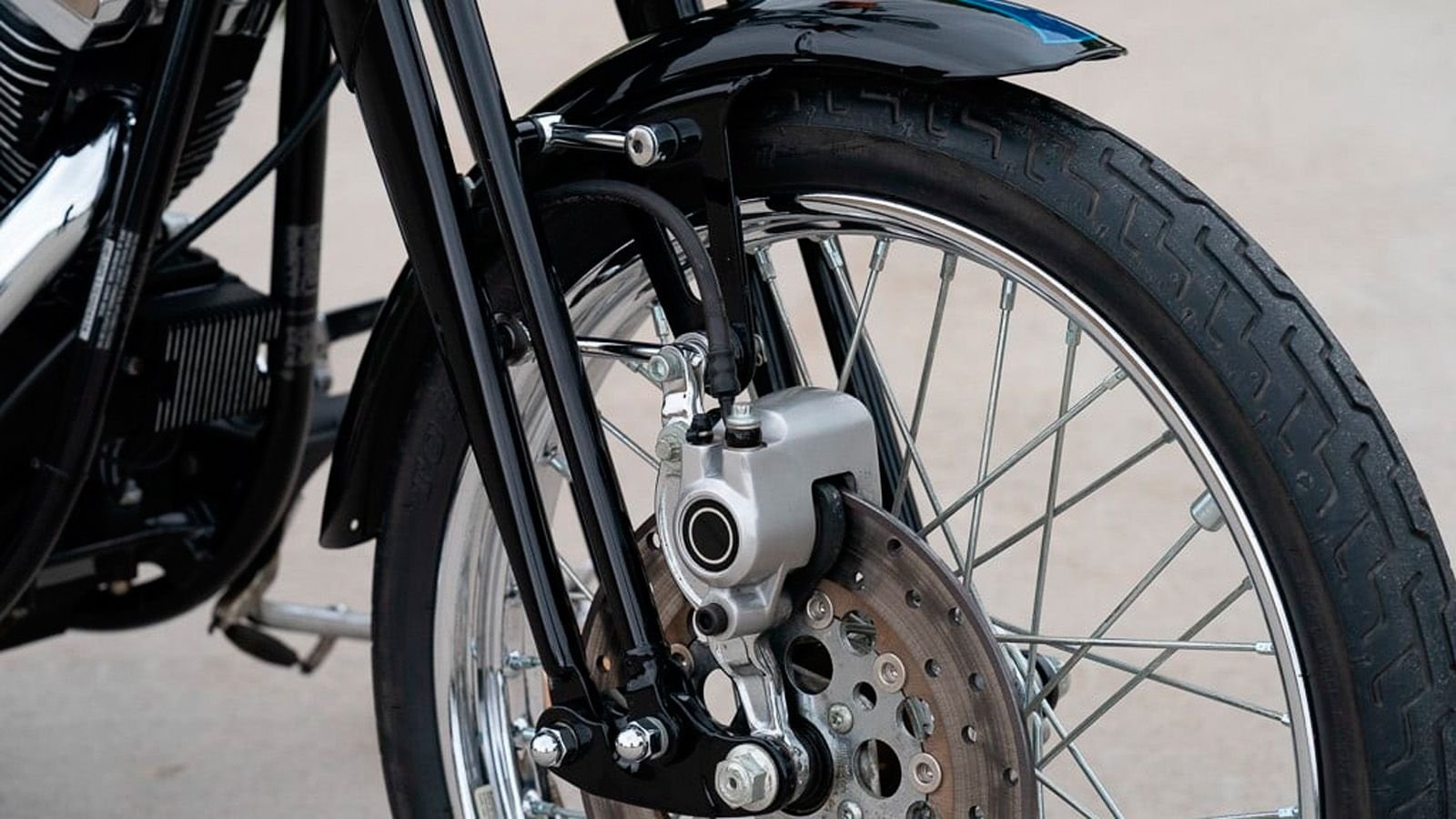
Total production for 1997 was limited to 1,635 units. For this last year, only 424 Bad Boys had blue stripes, 444 had red stripes, and 767 sported silver stripes. Apart from the graphic elements, the Bad Boy's most distinguishing feature was its blacked-out springer frontend. First released in 1988, the Softail was an instant hit, combing modern handling with nostalgic appeal.
New Control
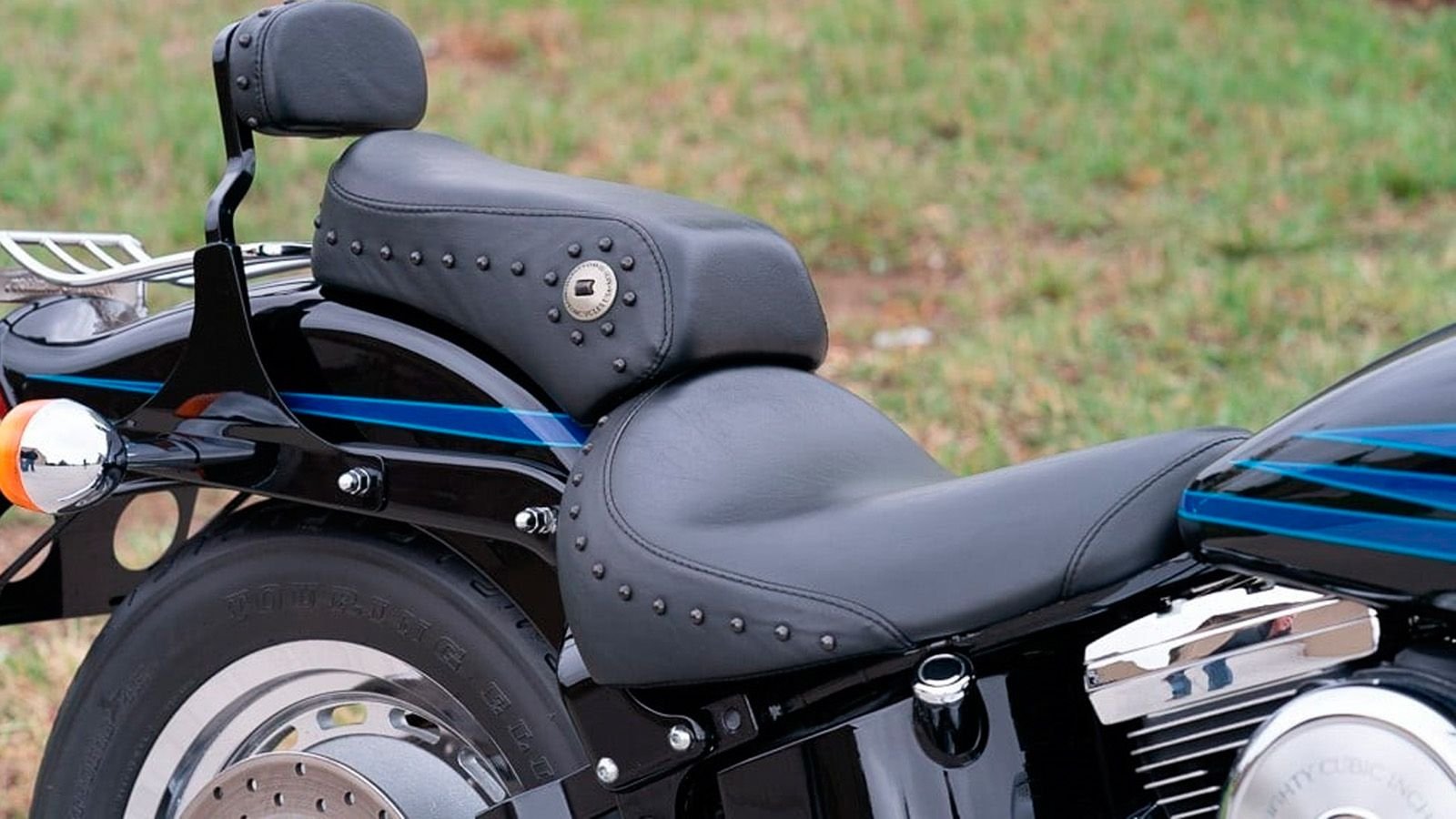
Willie G. Davidson's take on the popular model was more than just cosmetic. A fan of sportier versions of the Motor Company's products, Davidson altered the seat and replaced the mini-apes with a set of dirt tracker-styled handlebars. Reviewers of the day equated the new ergonomics to riding a Sportster, citing that it created a feeling of tight control rather than Lazyboy comfort.
Timeless Machine
The Bad Boy's 1,340cc Evolution engine was not an exceptional powerhouse motor, but its heavy crank made for comfortable cruising. Nearing the end of its production life, the Big Twin Evolution was also a well-sorted and reliable mill. Capturing nostalgia, while mixing in contemporary styling gave the Bad Boy a timeless quality. Its forward-thinking design makes it a machine that is still sought after today.
>>Join in the conversation about this Softail Bad Boy right here in Harley-Davidson Forums.
For help with your do-it-yourself maintenance and repair projects, please visit our how-to section in the forum.