If you're taking a break from riding during winter, your motorcycle can suffer. When it comes time to throw your leg over in spring, you might find that your bike has a few niggly issues. Heed these tips, however, and your motorcycle will be ready to go once the wintery weather has passed.
1. Wash Your Bike
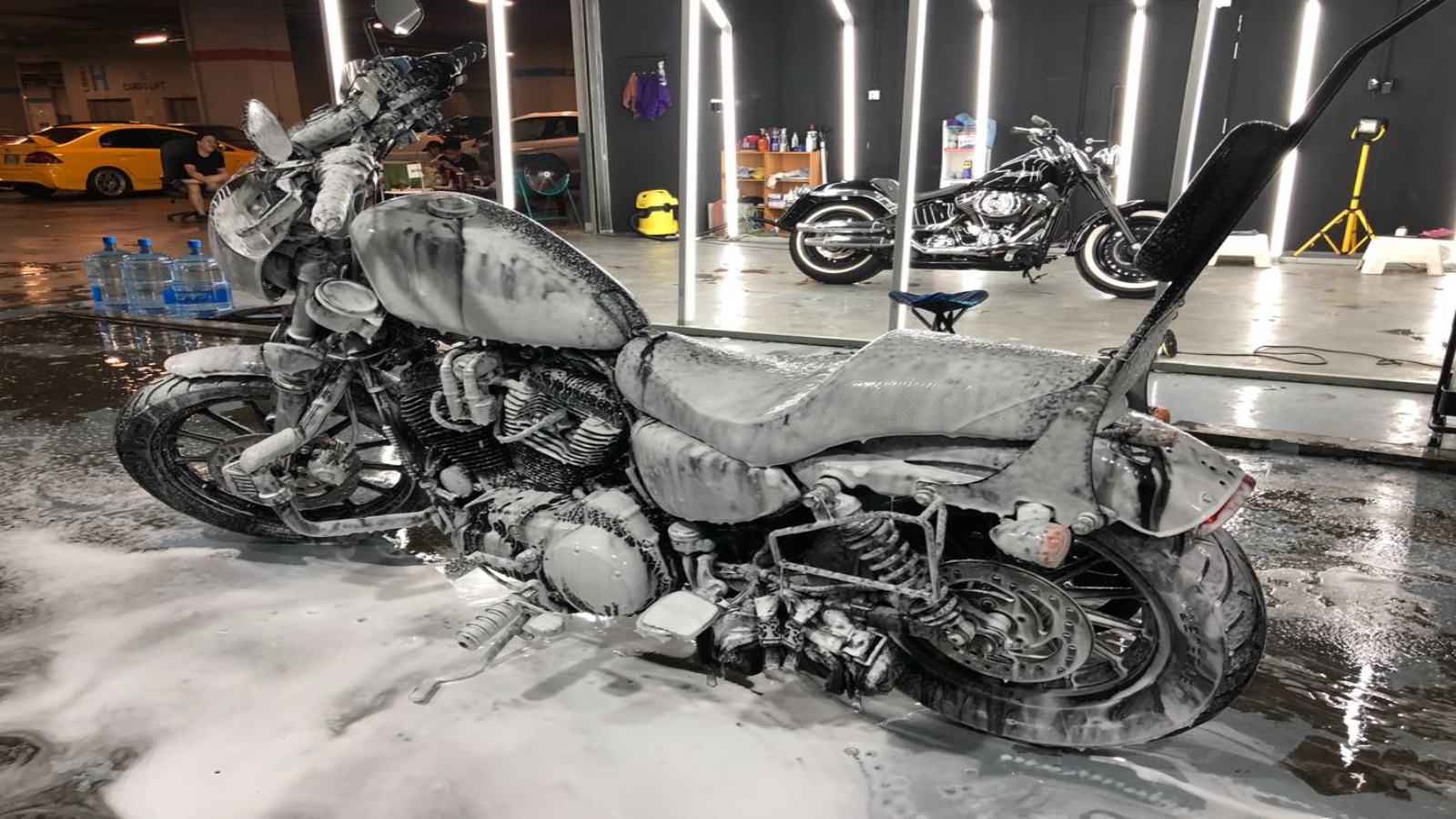
You should give your bike a thorough wash as one of the last things you do before locking it away. This won't just make your motorcycle look good when you take it out in spring, it'll also help stop the finish corroding during the winter. After you've finished washing it, Make sure you wipe it down to avoid leaving any streaks.
Photo courtesy of Carousell.
2. Lubricate
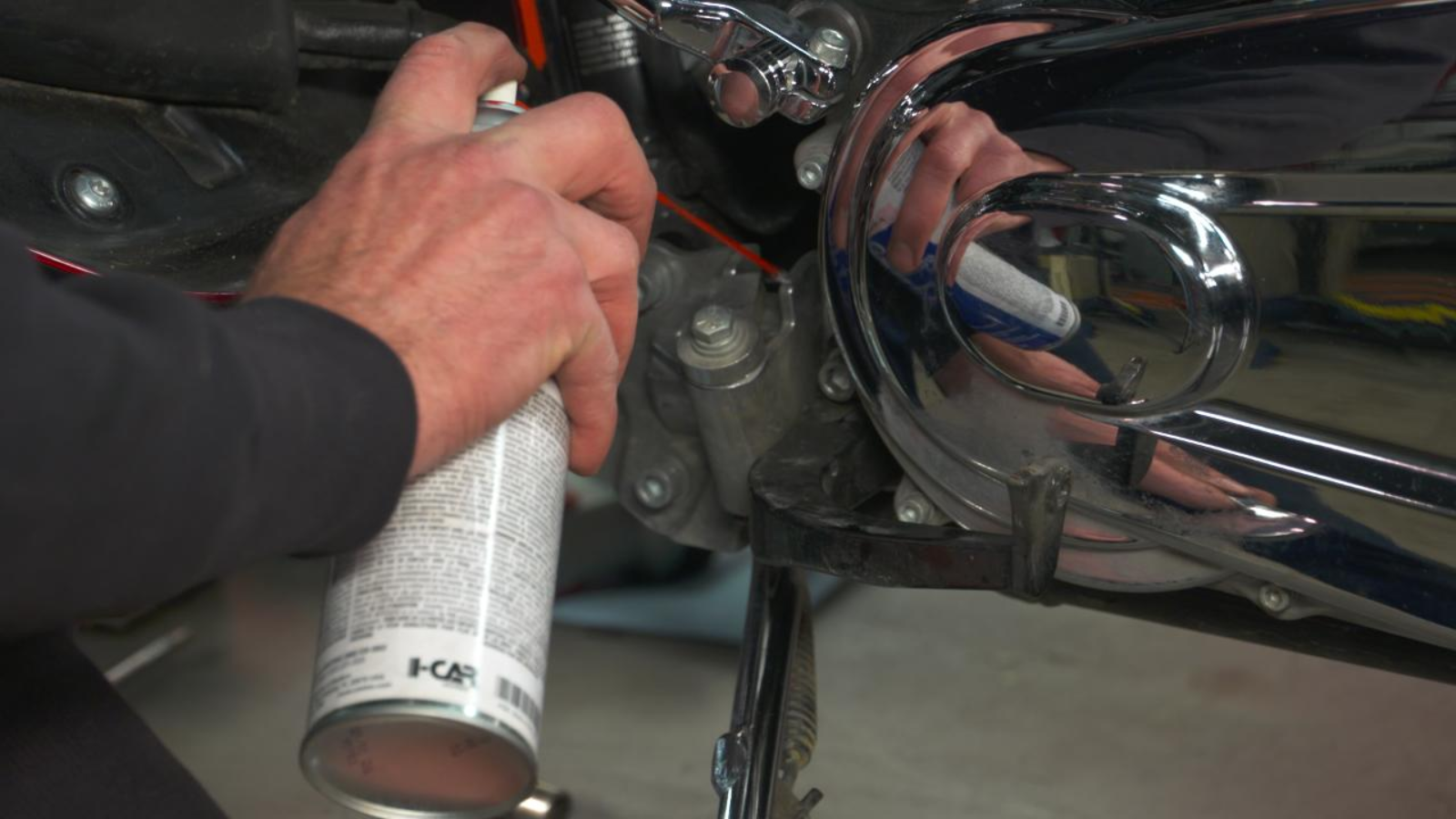
Washing your bike will help keep its finish but, with so much moist stagnant air during winter, you need to do a bit more. You should give the majority of your exposed metal parts a light coating of WD-40. Pay particular attention to your fork tubes, drive train, and pivot points. Just make sure not to get any on your brake discs or pads. You should also break out your chain lubricant and apply it; and, since you're down there, it'd be a good time to adjust your chain.
Photo courtesy of Fix My Hog.
3. Chance Your Fluids
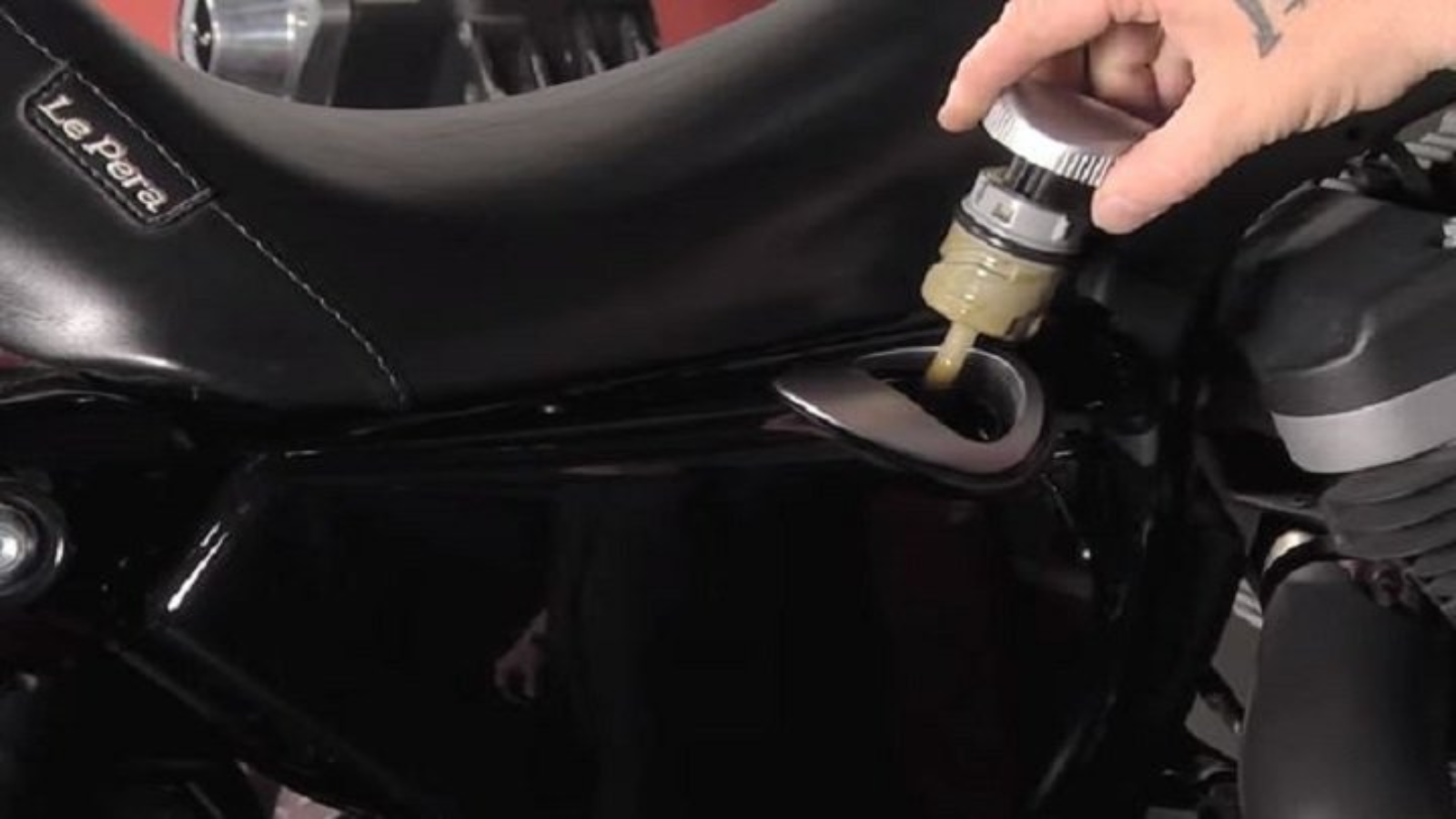
Before you hang your helmet up for winter, be sure and change your motorcycle's oil and filter. Oil has contaminants in it and, over time, they produce condensation. This condensation causes rust and corrodes your bike's metal parts.
Photo courtesy of hdforums.
4. Coolant Check
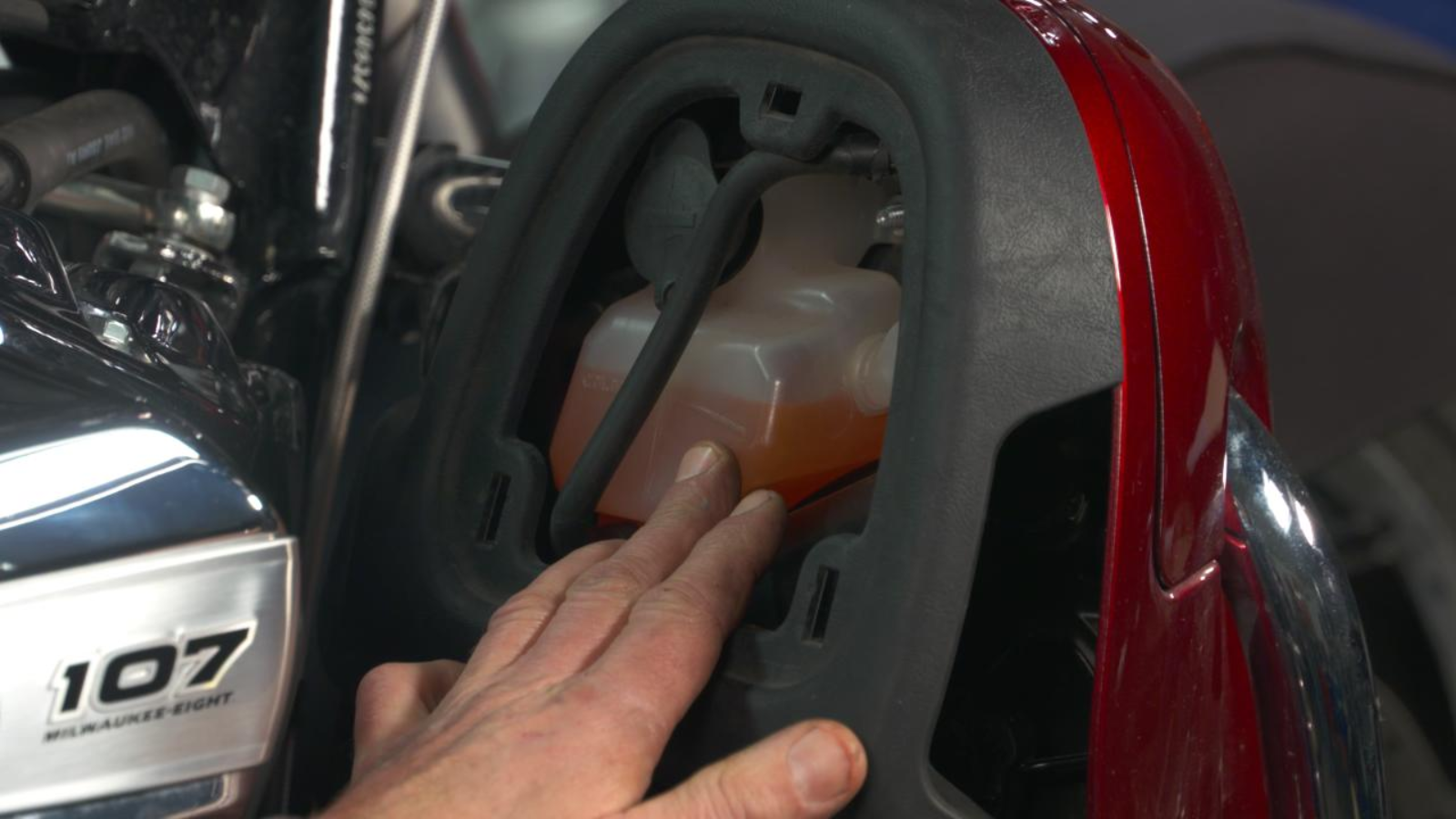
Using a hygrometer, check that your engine's coolant is in good condition: replace it if necessary. You'll also need to make sure that it's topped up to its the correct level. Doing this will help prevent any moisture in the cooling system from turning into ice. It will also stop oxygen from corroding any of the interior walls which aren't coated with coolant.
Photo courtesy of Fix My Hog.
5. Add Stabilizer
Due to the additives in gasoline, it loses some of its volatility over time. To ensure the gas in your bike stays in good condition, add some stabilizer to it. The amount you add will depend on how long you intend on storing your bike for, and it should only be added to a full tank. After you've done this, you'll need to run your bike for a short period of time to get the stabilized gasoline to your fuel injectors or carburetors. If your bike has a petcock, don't forget to turn it off before storing it.
Photo courtesy of Wild Fire Harley Davidson.
6. Battery Care
If you leave your battery hooked up to the bike, it will self-discharge over time. This could result in a dead battery if you haven't ridden throughout the winter. If you're worried about this, you should consider hooking your motorcycle up to a battery tender. This will monitor your battery's charge and keep it topped up without overcharging it.
Photo courtesy of Baggers Mag.
7. Protect Your Tires
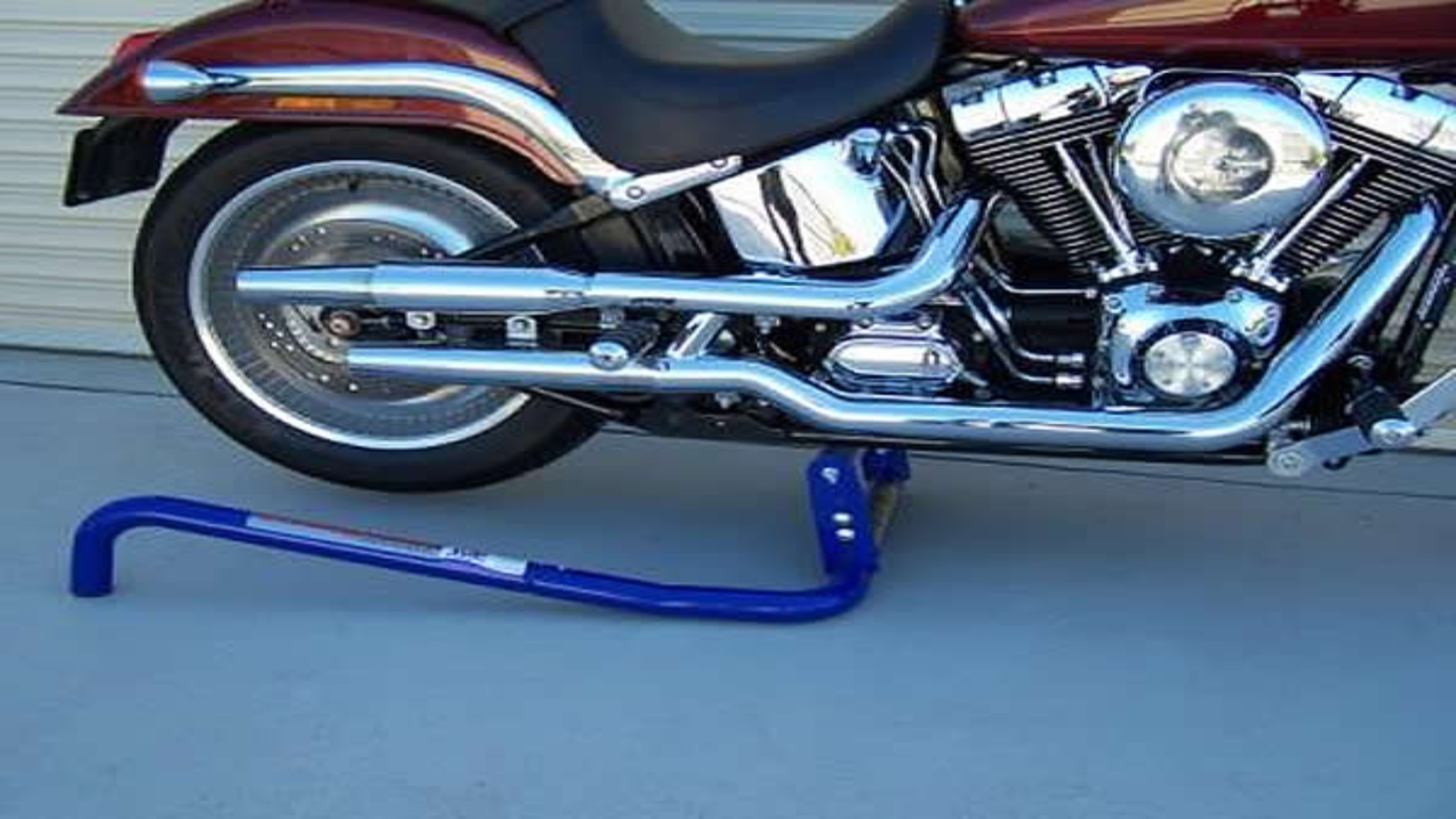
If you leave your bike unmoved for a long period of time its tires can develop flat spots. In order to avoid this, you should raise your bike off the ground using a bike stand. If you don't have access to a bike stand, do your best to move the motorcycle every so often to avoid flat spots. If you're going to keep your motorcycle on concrete, you should put some carpet or plywood under the tires: this will prevent moisture from seeping in.
Photo courtesy of Big Blue Motorcycle Lift.
8. Keep it Covered
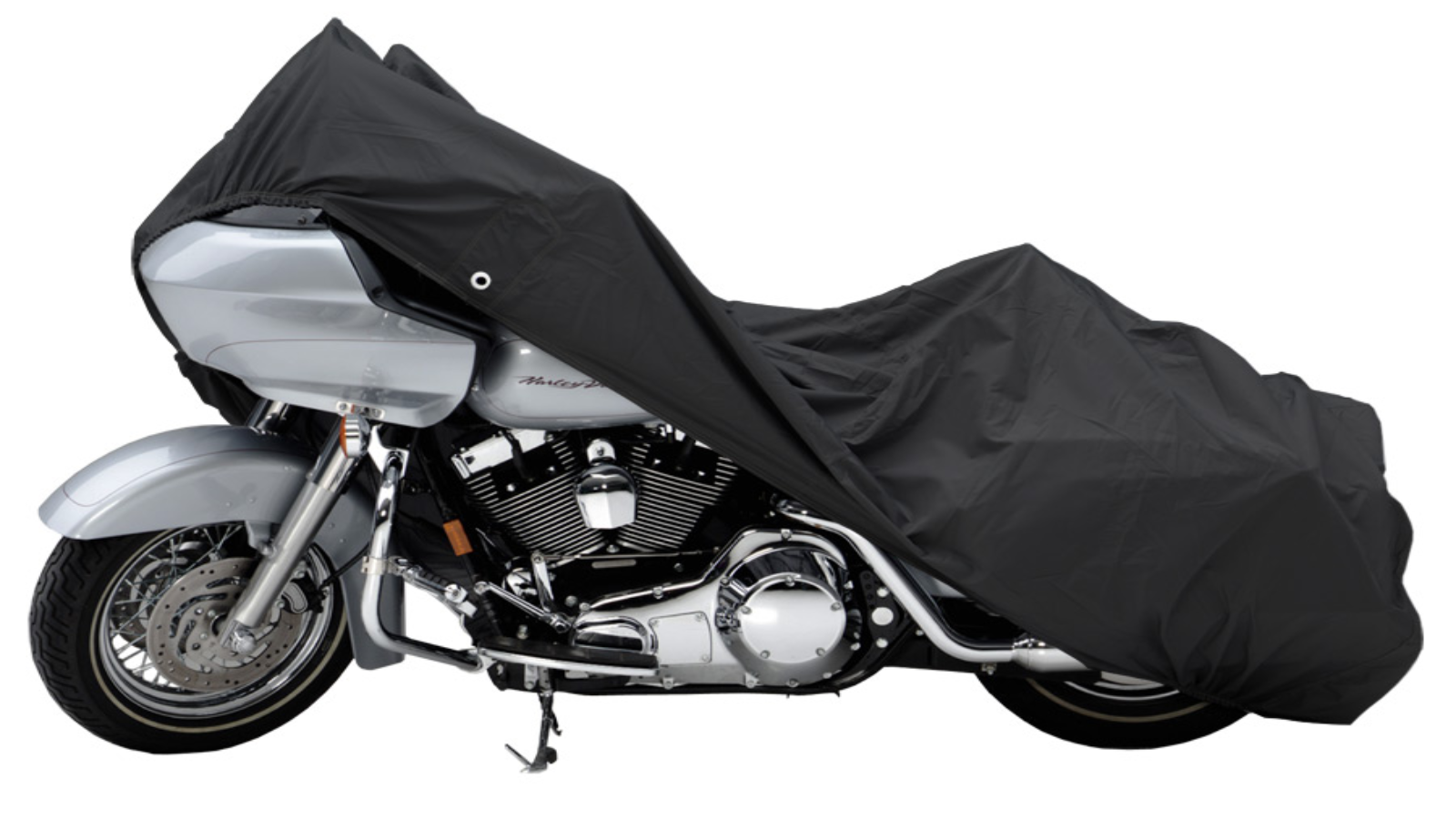
Of course, it's best to store your bike in a garage to protect it from the harsh winter weather. But, if you can't keep your motorcycle indoors during winter, at least put a cover over it which protects it from the snow and rain.
Photo courtesy of Auto Accessories Garage.