
Harley Makes Tough Choice to Leave India, but Was it the Right Move?
India may be in H-D’s rear mirror now, but giving up some of its global reach and focusing on the home market first could save the company.
By now, you’re probably aware of the situation in Milwaukee. At the end of February, Harley-Davidson parted ways with former CEO Matt Levatich. Levatich had been behind the company’s aggressive “More Roads to Harley-Davidson” plan, which aimed to attract new riders by aggressively pursuing new markets.
When he left, the new CEO, Jochen Zeitz, began his tenure by immediately scaling back plans for expansion and production of new models. Given the timing relative to pandemic-related shutdowns, it turned out to be a wise choice on his part.

Recently, Harley-Davidson announced that they were pulling out of the Indian market altogether. Jalopnik covered the decision this week, and stated that they thought it was a colossally bad choice for the brand. It was even implied that Harley-Davidson would wind up bankrupt within a few years.
With the global pandemic hitting businesses hard, it’s difficult to see where any company will be in three years. However, if Harley-Davidson gets bought out by another company any time soon, we doubt that their decision to leave India will be the reason.
Scale Back and Reassess
In fact, we think it’s a step in the right direction. To remain successful and profitable, Harley-Davidson needs to simplify. That means not spreading themselves too thin, especially with their current financial situation and gradually dwindling market share.

We’re not discounting the global impact of the Indian motorcycle market. Roughly 17 million motorcycles were sold in India last year. That’s about the same number of new cars that were sold here. Getting a sizable slice of that pie could potentially do wonders for Harley-Davidson’s bottom line.
However, drawing focus away from their core market is a bad strategy. That’s especially true given that Harley’s core market is rapidly aging out of their riding years. They need to do the right things to attract new riders. They need to focus on their domestic market share before they can even think about expanding overseas.
This is a good strategy for most businesses, but it’s especially true for Harley-Davidson. Much of their overseas success is predicated on the fact that, for many, Harley-Davidson is Americana on wheels. If Americans aren’t riding Harley-Davidsons, then what’s the point?
Maintaining Core Appeal
So what is the solution to attracting new riders? Levatich spent a lot of time and money developing great new bikes that redefined what a Harley-Davidson is. The problem is that the brand’s image doesn’t need to be redefined.

Harley-Davidson could build the greatest, most advanced sport bike to ever hit the street. They could win every top-level race in the world with it. It could be the darling of motorcycle reviewers everywhere. But, if history has shown us anything, hardly anyone would buy it.
Harley loyalists wouldn’t be lining up to buy a bike so far outside of their area of interest. Meanwhile, other motorcyclists are set in their ways, as much as they’d hate to admit it. They’ve formed their opinion, and have become so used to making the same tired jokes about Harley motorcycles and riders that they wouldn’t be interested either.
This is, of course, all Harley-Davidson’s fault. They’ve pigeon-holed themselves into the retro cruiser segment. Zeitz recognizes that the only true path to salvation is to embrace it.
Preserving Brand Identity, Sans India
The thing is, Millennials who aren’t “Harley people” don’t want Harleys. The good news is that there are also plenty of Millennial Harley people who do. The key is to market bikes to my generation without dramatically changing what we love about the bikes, while still making them feel like they were made especially for us.

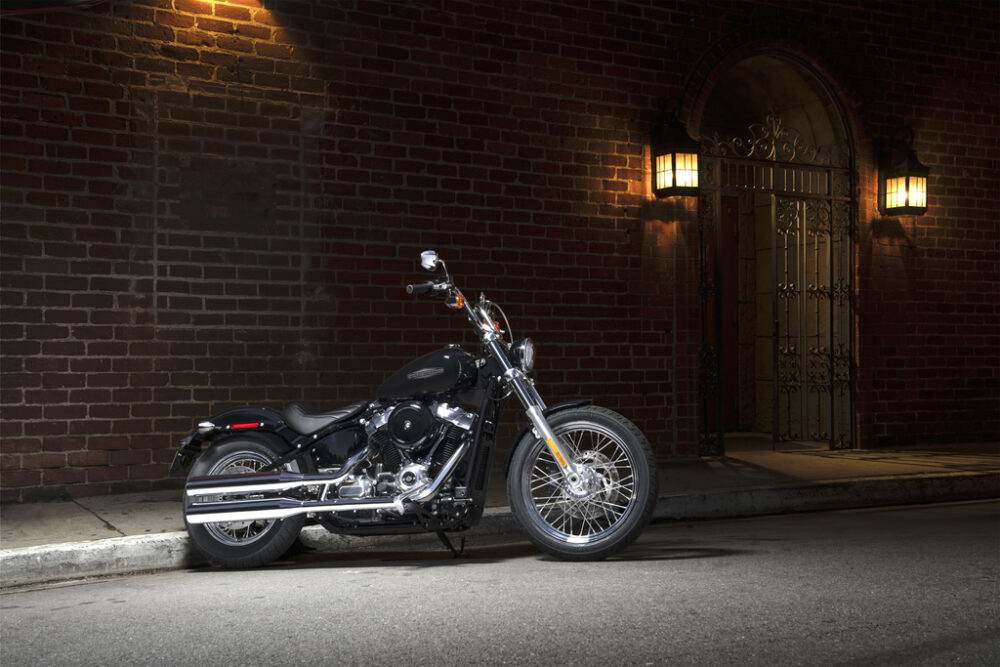
The Softail Standard is a great example of this strategy. It’s the cheapest way to get a new Softail, and it’s got great retro “early post-AMF era” styling. It also serves as the perfect blank canvas for owners to customize it and make it unique. There’s a reason the older generation calls us snowflakes – each one of us believes that we are special and unique. We want bikes that are special and unique, too.
There’s another thing, too. Zeitz seems to recognize that Harley-Davidson is a premium product with a premium price. Trying to turn Harley-Davidson into a volume brand will take a lot of work, cost a ton of money, and likely hurt the brand in the long run.
AMF tried to turn Harley-Davidson into a volume brand in the 1970s, and quality suffered – along with the brand’s reputation. Simply put, Harley-Davidson isn’t structured the same way as Honda, Yamaha, Kawasaki, or Suzuki. This all goes back to my point about Harley-Davidson’s brand image being its most valuable asset. Changing things up at this point is a terrible idea.
The solution isn’t more models, more production, or a new image. The solution is to leverage Harley-Davidson’s strengths, and focus on what has made them successful. India may be in H-D’s rear mirror now, but giving up some of its global reach and focusing on the home market first could save the company.
Photos: Harley-Davidson
Join the HD Forums now!

You must be logged in to post a comment.