When you click on links to various merchants on this site and make a purchase, this can result in this site earning a commission. Affiliate programs and affiliations include, but are not limited to, the eBay Partner Network.
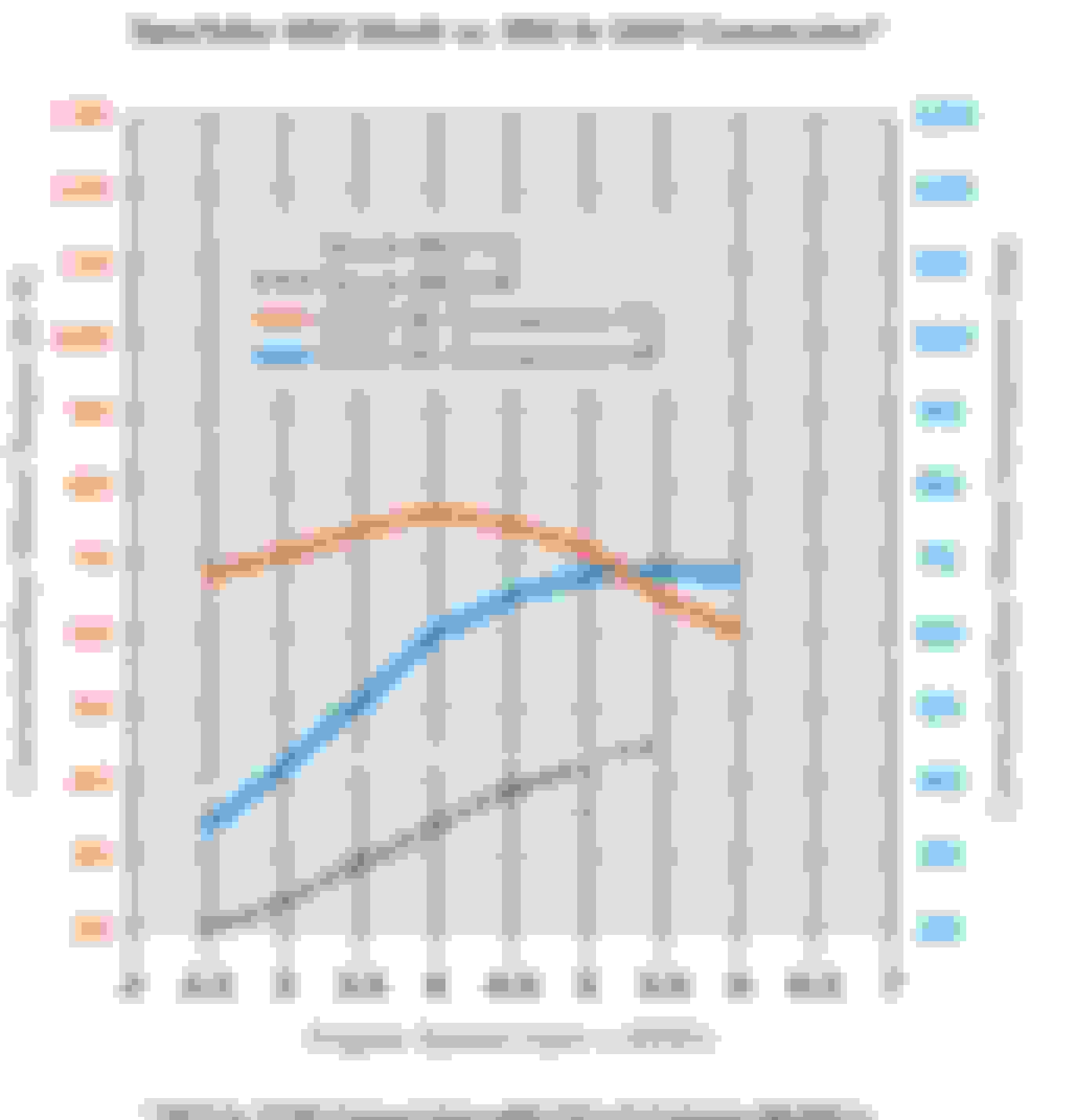
I was just looking at HD.com's 2018 published ratings across the Sportster line:
883s put out about 54 ft lbs.
The 1200s all put out 73 ft lbs except the Roadster, which has 76 ft lbs.
My 2017 Iron has the Screaming Eagle 1200 kit, which according to HD's graph, produces 75ish ft lbs with a better exhaust system than stock. I assume that means no other performance upgrades were made to that bike for this graph.
My bike, with the kit, 4" high flow intake, and TTS tuner, was dynoed at 76 ft lbs by a Harley dealer (75 HP / 76 torque). That seems low to me now looking at these stock numbers. Am I right in thinking my bike should be producing more power? Maybe HD dealers only dyno to factory spec? Maybe their dyno was off slightly?
Harley makes several "Screaming Eagle 1200 kits", each with different performance levels and parts. The base 1200 kit simply converts an 883 to a "stock" 1200, which sounds like what you have. Other, higher performance kits, include things like cams, oversize valves, higher compression, etc. taking you from a Stage 1 1200 up to a Stage 4 1200.
My 2017 Iron has the Screaming Eagle 1200 kit, which according to HD's graph, produces 75ish ft lbs with a better exhaust system than stock. I assume that means no other performance upgrades were made to that bike for this graph.
What exhaust are you running? There's lots of aftermarket exhausts out there that offer less than stellar performance, if fact some may be worse than stock. Many people buy an exhaust based on looks, sound, manufactures unsubstantiated performance claims, etc. and get little bang for the buck in the performance area. Without a good exhaust system, a high flowing A/C adds little to performance.
The 1200s all put out 73 ft lbs except the Roadster, which has 76 ft lbs.
My bike,[...stage 1...,] dynoed at 76 ft lbs by a Harley dealer (75 HP / 76 torque). That seems low to me now looking at these stock numbers. Am I right in thinking my bike should be producing more power? Maybe HD dealers only dyno to factory spec? Maybe their dyno was off slightly?
Originally Posted by TimmyPage
Yes, I have the base kit. No other performance mods other than what is listed in the first post.
Shouldn't my bike have more power than a stock [63-65hp/70-76] 1200cc is what I'm asking.
stage 1 1200 is what you have. you also have stage 1 numbers. those are higher than stock numbers. you've answered your own question
The ideal torque curve is table flat, indicating even cylinder fill across the rpm range. To the extent the torque curve isn't flat, and has peaks and valleys instead, that's generally considered a bad thing.
But a flat torque curve is not conducive to a big peak torque number. You'll generally get a bigger peak torque figure from a pipe that pulls hard at one rpm at the expense of some other rpm, thus creating peaks and valleys in the torque curve.
Which really just goes to show what a meaningless figure peak torque is. A big peak torque number is not necessarily a good thing, if it comes at the expense of torque elsewhere in the rpm range.
It's really the shape of the torque curve that matters, not it's peak number.
By the way, since power is just torque times rpm, a table flat torque curve generates a straight diagonal power curve, up and to the right.
Last edited by aswracing; Feb 21, 2018 at 08:18 PM.
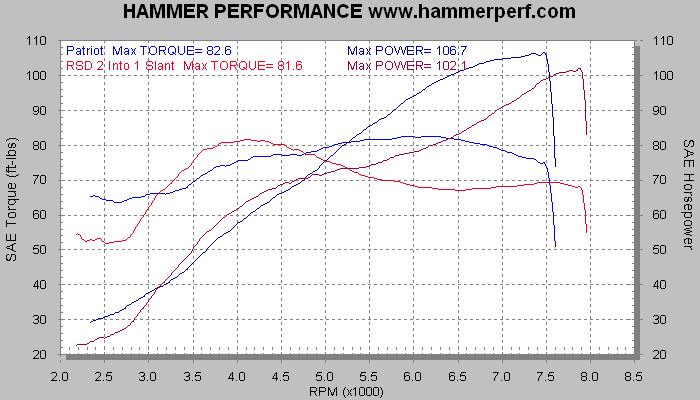
I like to show this chart to illustrate the dramatic effect of the pipe:
This is a busy chart because the results are so radically different.
However, it's actually the same bike, tested on the same day, with absolutely zero changes to the motor between the two pulls. The only change between those two pulls is the pipe, and the EFI was mapped for each. Same cams, same heads, same air cleaner, same everything, the bike wasn't even taken off the dyno between those pulls.
Peak torque is damn near the same between the two pipes, but look how differently the torque curves are shaped. The RSD is pulling hard down low, but is dying on top. The Patriot is a tad soft on the left side but has a more even pull overall and places the bulk of it's torque up higher in the rpm range.
Since power is torque times rpm, making torque on the right hand side of the chart is how you make power. And since power is made up of both torque and rpm, it's a complete description of the performance, where torque by itself is not. Rpm is every bit as important as torque when it comes to accelerating the bike, because it's easily converted to torque.
Stock numbers likely reflect torque at the crank , not at the rear wheel as your dyno shows. I have a 16 roadster with new intake, screaming eagle mufflers and powervision tune. Local dealer was running a $99 special for dyno so had it run, got 76 torque, 73 hp. He did not adjust anything as he said it was already dialed in well.
Last edited by Switchback12; Feb 21, 2018 at 08:42 PM.
7 Surprising Harley-Davidson Products that Are Not Motorcycles
Slideshow: The bar-and-shield logo shows up on far more than motorcycles, some of the company's most unexpected products have nothing to do with riding.
Slideshow: From the troubled AMF years to modern misfires, these bikes earned reputations for reliability issues, questionable engineering, or disappointing performance.
Crazy Bunderbike Build Looks Amazing, But Is It Impossible to Ride?
Slideshow: The Swiss custom shop has taken a Harley Softail and stretched it into something so long and low that it looks closer to a rolling sculpture than a conventional motorcycle.
Engraved Rebellion: Inside Bundnerbike's Glam Rock II
Slideshow: A standard cruiser becomes an intricate metal canvas in the hands of a Swiss custom house known for pushing Harley-Davidson platforms far beyond their factory brief.
Slideshow: Harley-Davidson's challenges aren't abstract; they show up in dropping shipments, shrinking dealer traffic, and strategic decisions that aren't yet translating into growth.









 1200cc torque question