
Harley-Davidson Reveals Super Cool Cafe Racer Concept
Revealed at Mama Tried in Milwaukee, the 1250cc Revolution Max-powered concept channels the XLCR while hinting at a broader strategy shift.


A Concept at a Crossroads
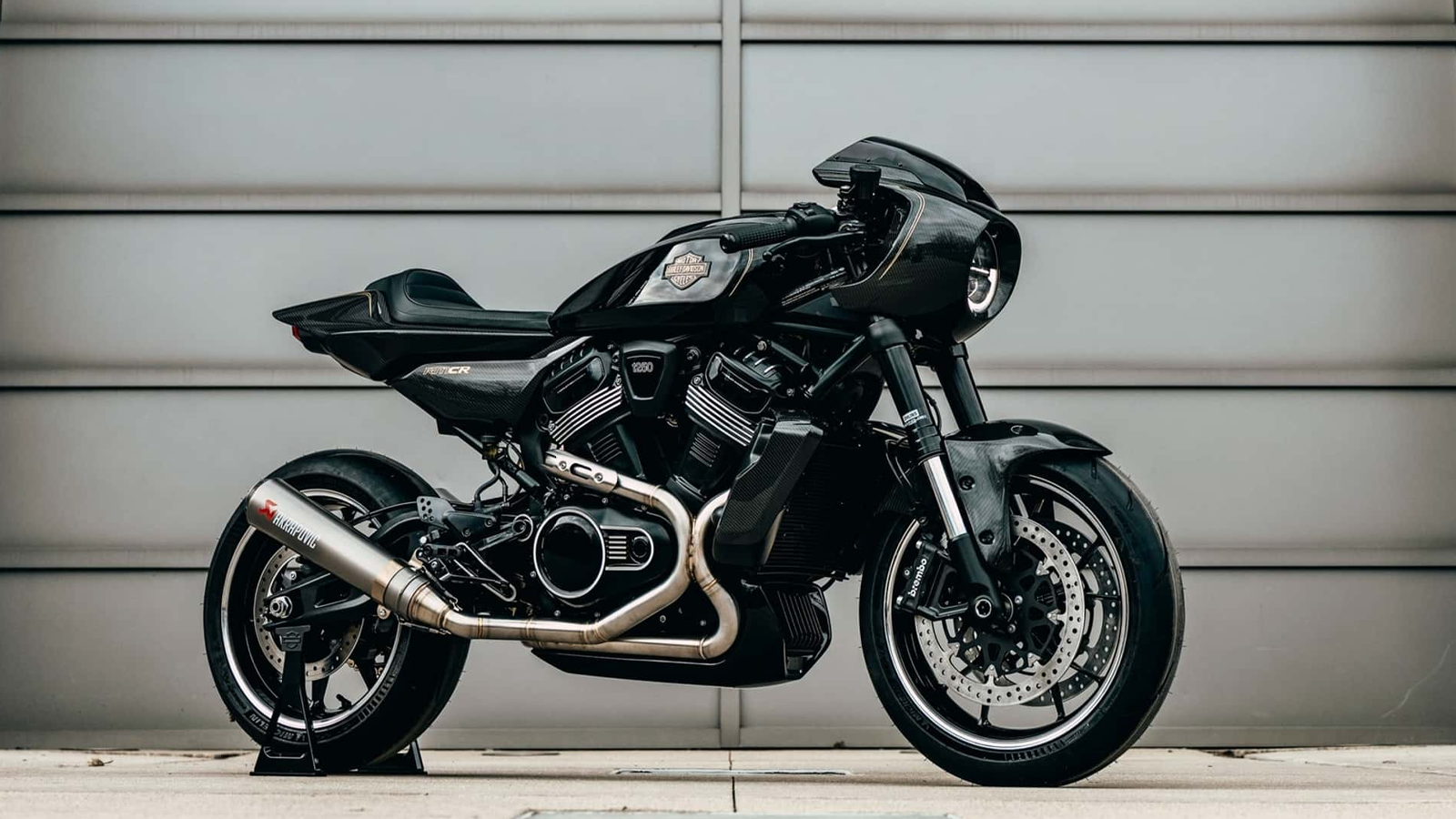
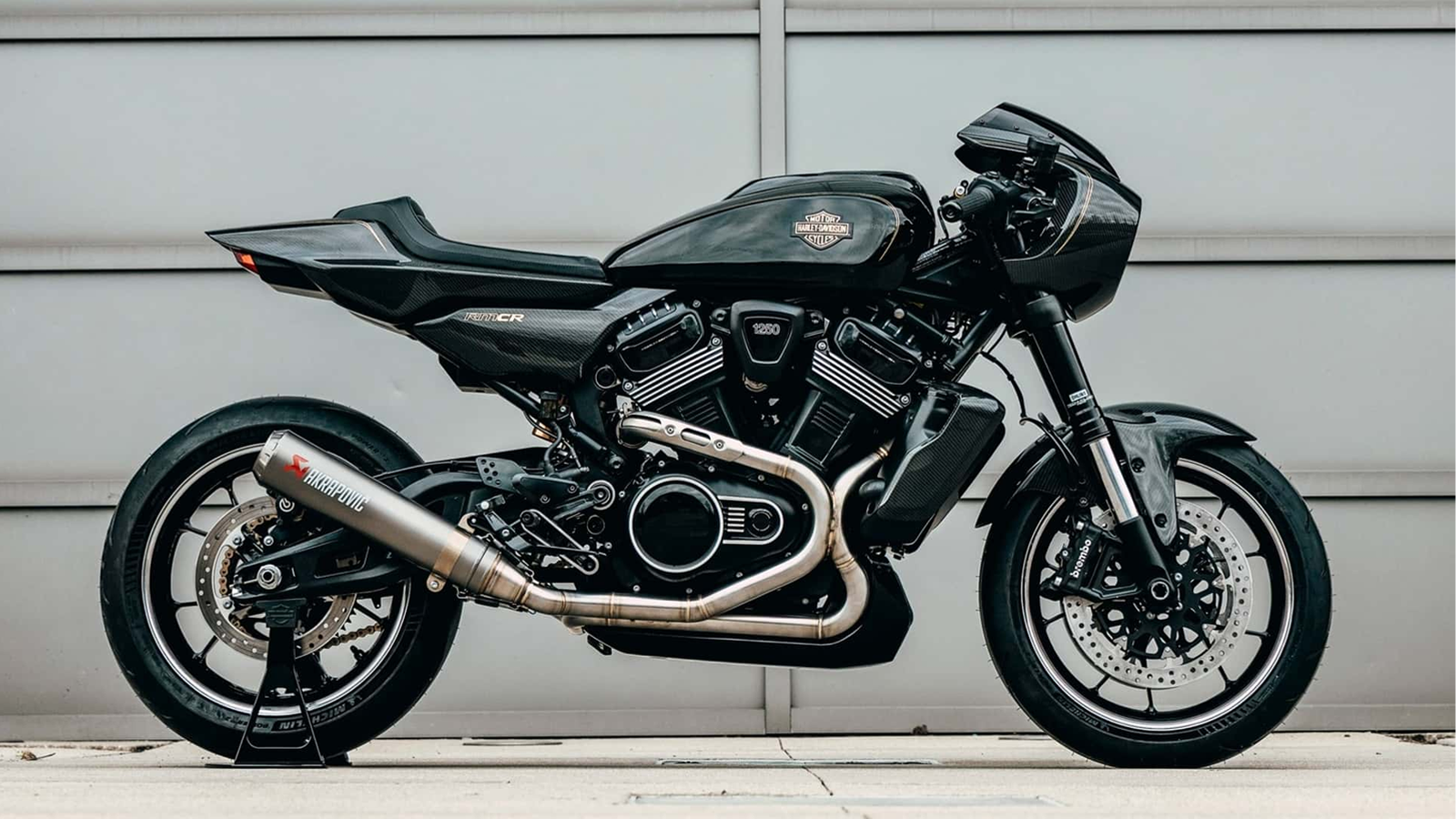
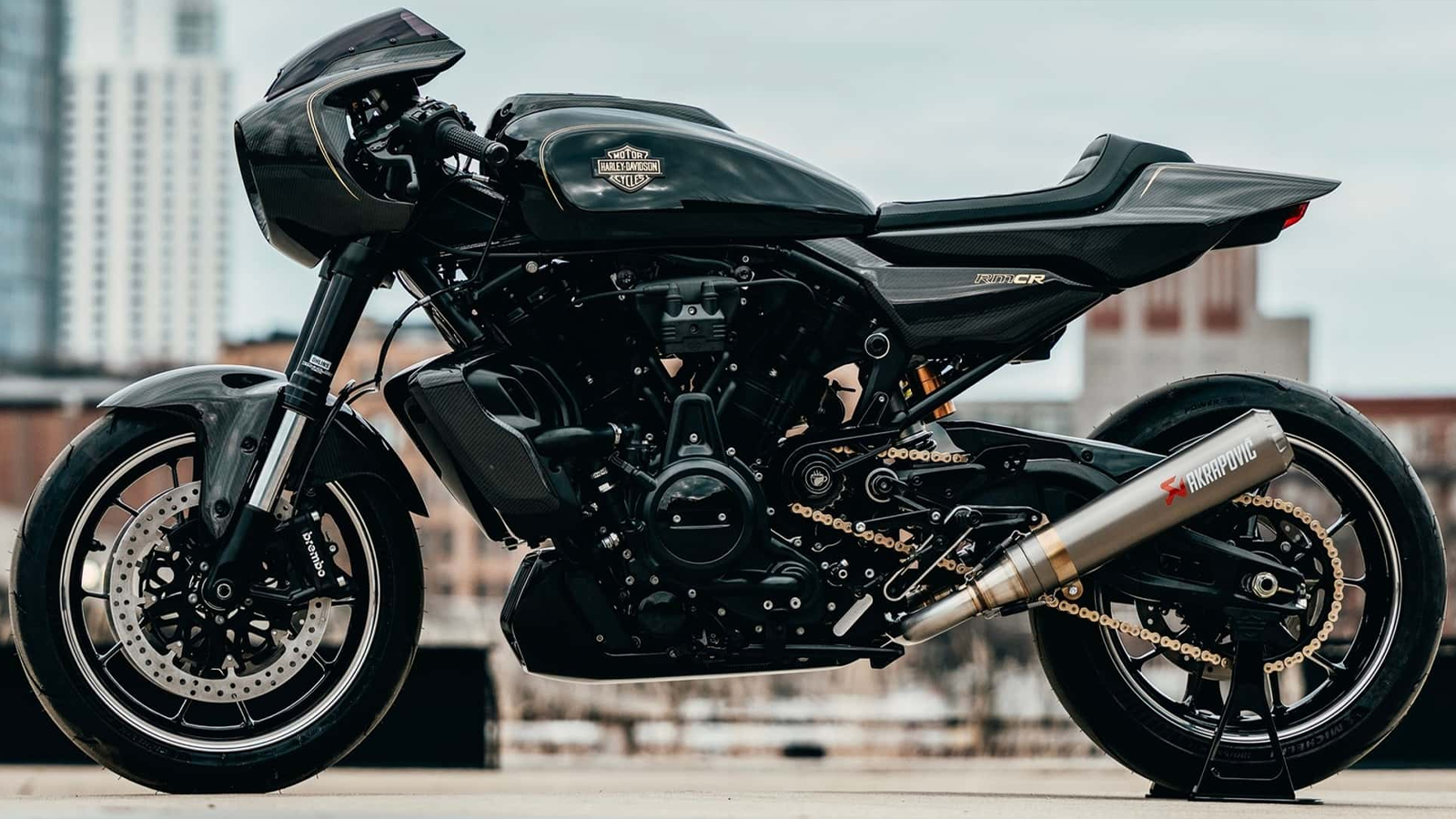
Harley-Davidson unveiled the RMCR (Revolution Max Café Racer) concept at the Mama Tried Motorcycle Show in Milwaukee, Wisconsin, positioning it as both a design exercise and a temperature check for the market.
The timing is notable. Harley’s lineup has leaned heavily on cruisers and baggers for decades, while its recent ventures, electric models and adventure bikes, have delivered mixed commercial results. The RMCR arrives as the company faces an aging core demographic, softening demand in key segments, and a balance sheet under pressure. The message from the concept is straightforward: this is a different direction.
Revolution Max, Reframed
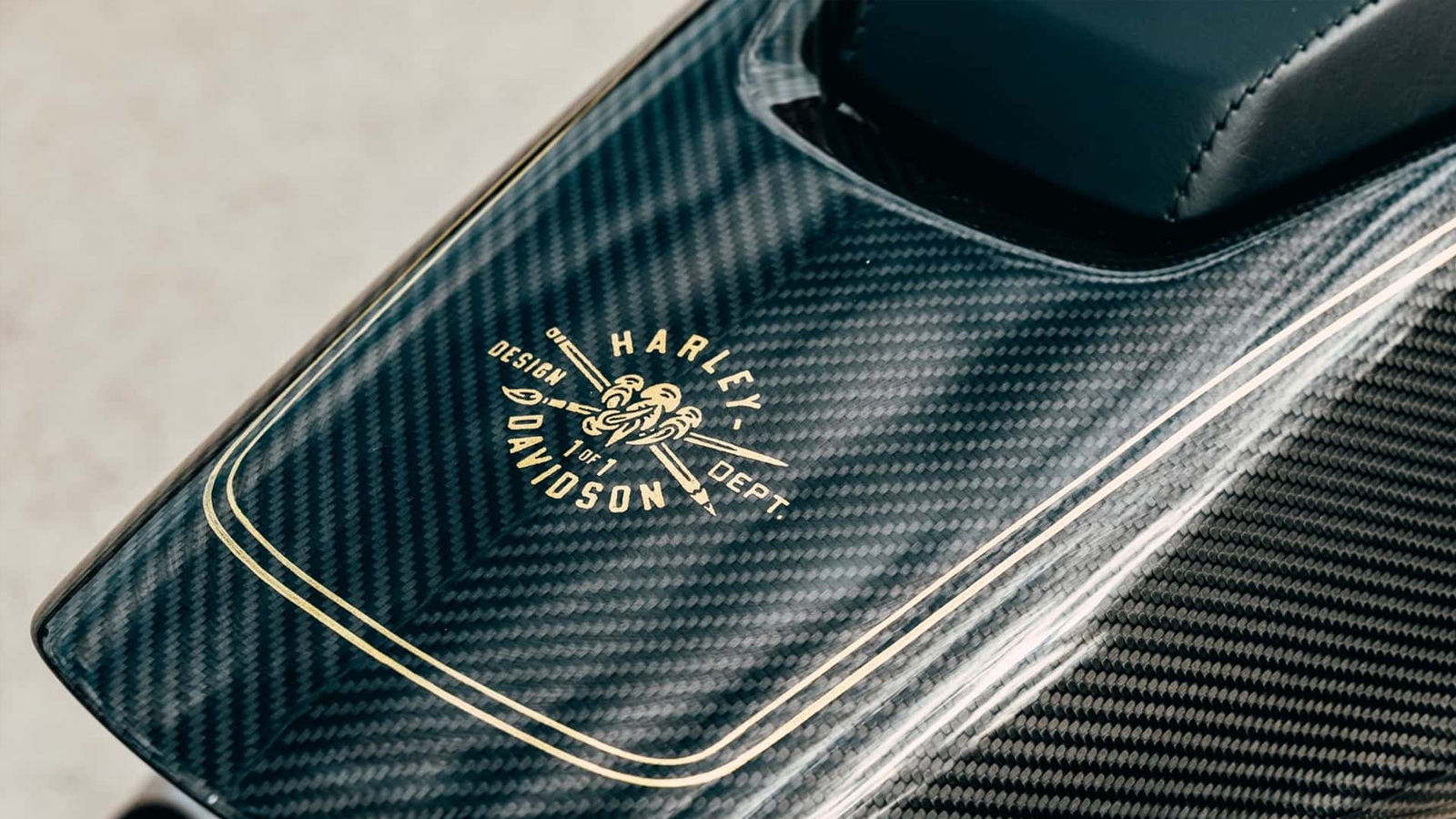
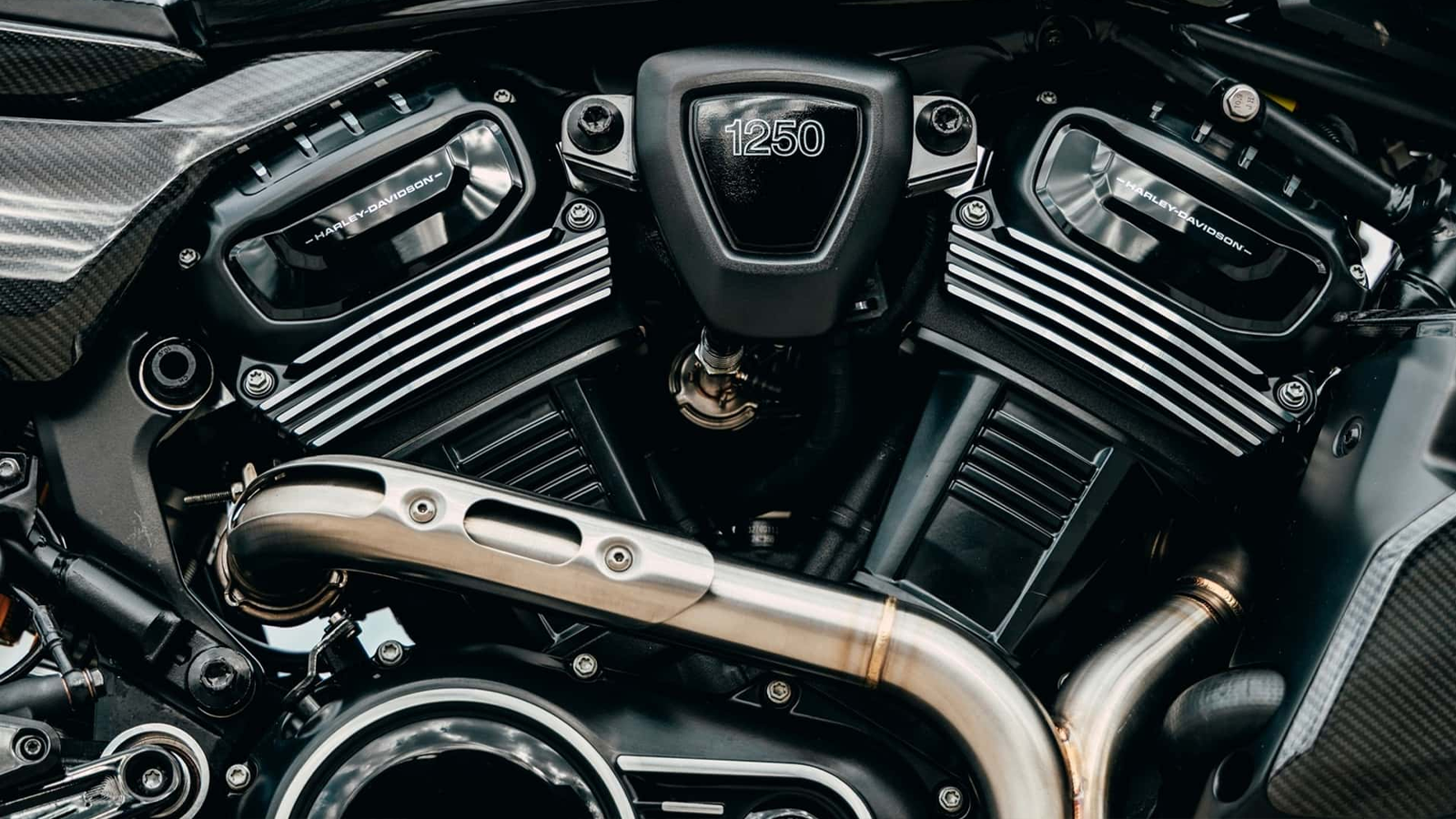
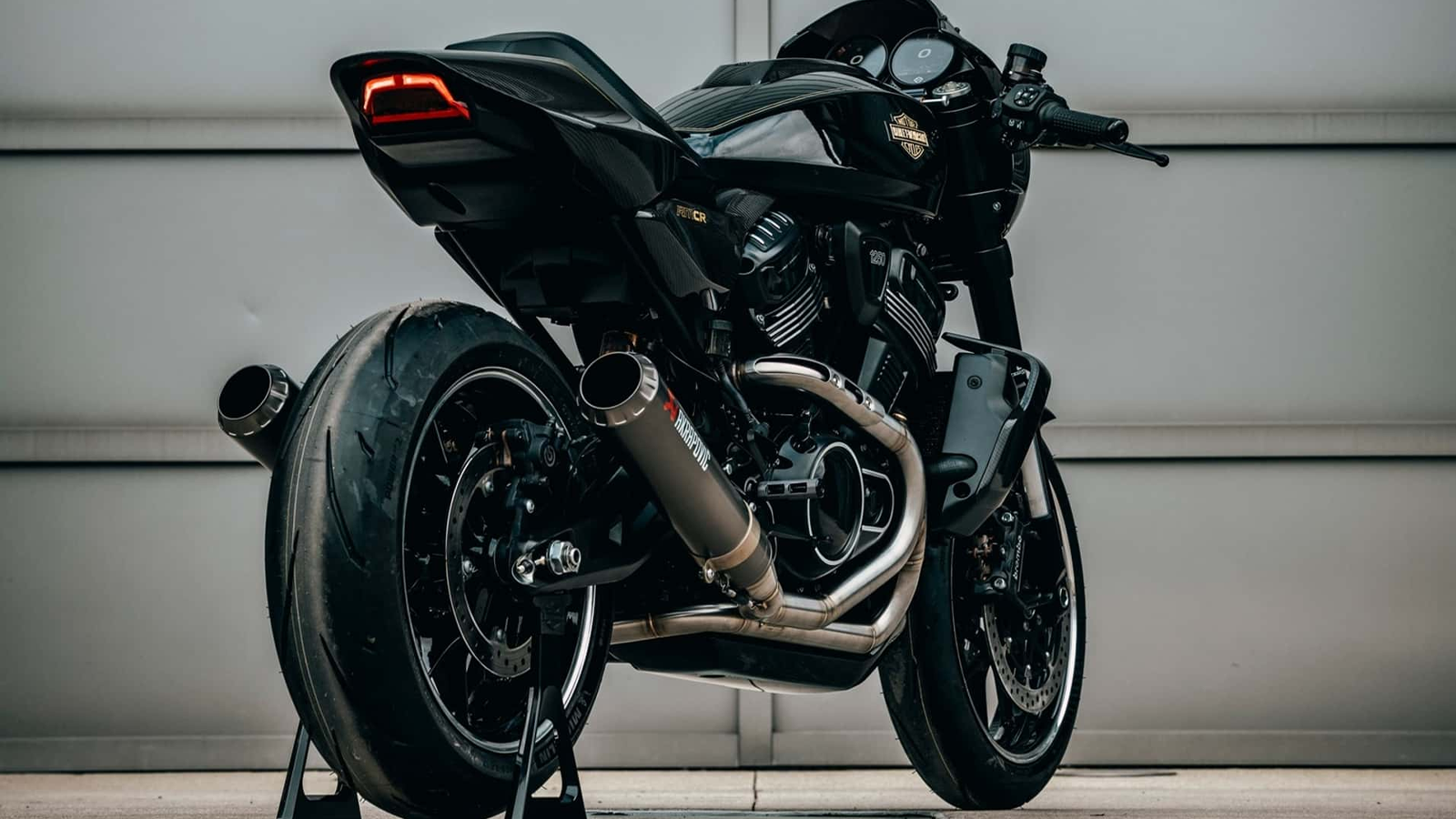
At the center of the RMCR is Harley’s 1,250cc Revolution Max V-twin, a liquid-cooled, double overhead camshaft engine that first appeared in the Harley-Davidson Pan America 1250 in 2021. For the concept, the engine is housed in what Harley describes as a custom chassis shaped with performance in mind. Visually, there are strong hints of Pan America DNA in the frame and component layout, though the RMCR’s geometry and bodywork are purpose-built for a café racer stance. A custom exhaust, described as a performance-focused system, sits beneath carbon fiber bodywork.
The sound clips circulating from the show floor suggest a sharper, more aggressive note than the adventure bike application. Suspension and brake specifics have not been formally detailed, but the hardware appears to borrow from the Pan America’s performance-oriented setup.
A Nod to the XLCR
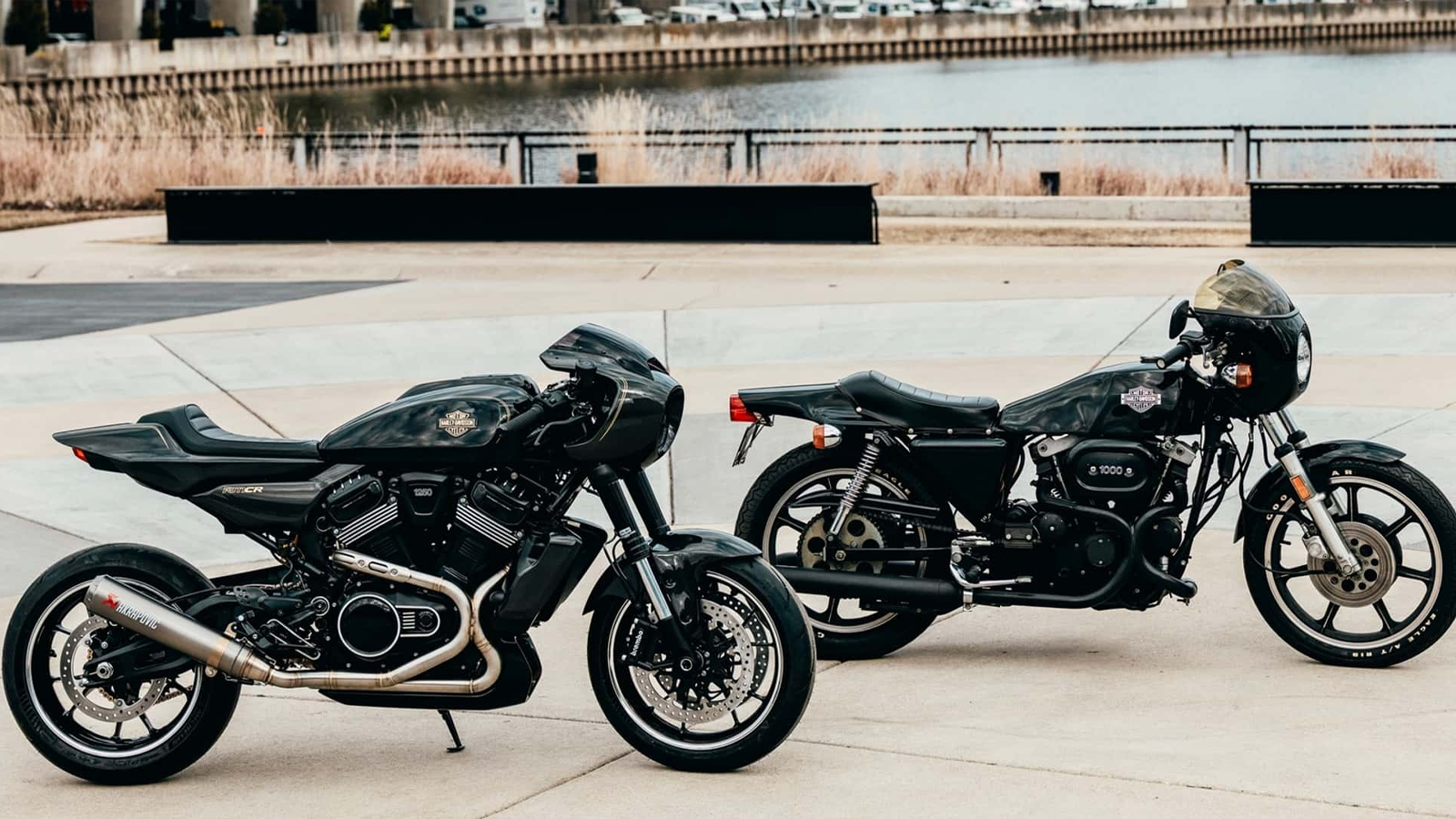
Harley calls the RMCR “a modern interpretation of a rebellious original,” referencing the short-lived Harley-Davidson XLCR built from 1977 to 1979. The original XLCR was designed under the influence of Willie G. Davidson, alongside Bob Modero and Jim Haubert. Though its production run lasted only two years, it has since become a sought-after collector model, often commanding strong auction prices.
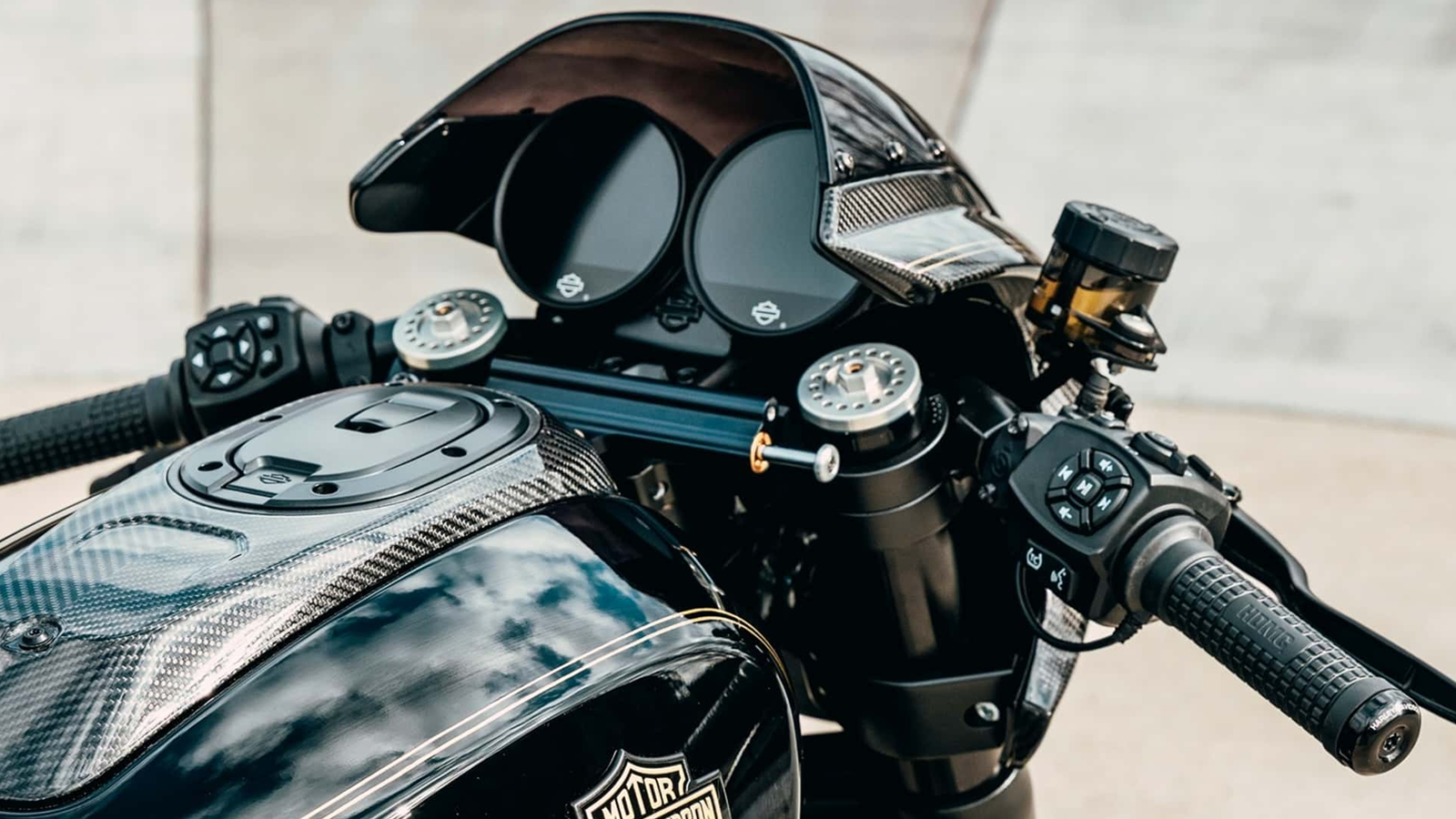
By explicitly tying the RMCR to that lineage, Harley is signaling continuity rather than reinvention. The concept keeps the V-twin format intact but packages it in a leaner, more aggressive silhouette—clip-on bars, minimalist tail section, and blacked-out finishes dominating the aesthetic.
Youth Appeal
The strategic argument for the RMCR is less about nostalgia and more about demographics. Large-displacement touring bikes, particularly high-end baggers, can stretch well beyond $40,000, and in some limited cases, far higher. That price bracket places them out of reach for many younger riders. At the same time, Indian Motorcycle has stepped back from the café racer space it once occupied, leaving a niche relatively open.
Market Gaps
The RMCR, while still powered by a 1,250cc engine, presents a more compact and sport-oriented alternative to Harley’s heavyweight touring machines. Social media reaction has been overwhelmingly positive, with fans urging the company to put the concept into production. Comments such as “Please build it!” and “This is the best looking Harley I’ve seen in years” reflect a hunger for something outside the cruiser norm. Harley itself has invited public feedback, stating that “the feedback line is open.”
Beyond a Single Halo Model
Even if the RMCR were greenlit tomorrow, it would not be a complete solution on its own. Harley has already indicated that an entry-level motorcycle is in development, an essential move for onboarding new riders who may not want, or be ready for, a 1,250cc machine. But there’s a broader gap in the lineup: middleweights. Currently, the Pan America platform exists only in 1250cc form.
A smaller-displacement variant with fewer electronic features and a lower price point could expand accessibility. The same logic could apply to the RMCR formula. A reduced-capacity Revolution Max model, lighter, simpler, and more affordable, would give Harley coverage in a segment it largely ignores today. Relying exclusively on large engines limits market reach. A tiered approach, entry-level, middleweight, and flagship, would create a clearer progression for riders within the brand.
Limited Fanfare
Despite its potential significance, the RMCR’s debut has been relatively quiet. Aside from social media posts and show-floor coverage, there has been no major press release or full-scale marketing rollout. That restraint may indicate that Harley is still gauging reaction before committing resources. It may also reflect internal strategy shifts that complicate the concept’s path to production.
Big Implications
What’s clear is that the RMCR resonates in a way few recent concepts have. It blends recognizable Harley cues with a performance-oriented layout that does not depend on chrome-heavy nostalgia or six-figure exclusivity. Whether it becomes a production model or remains a one-off showpiece will depend on corporate priorities and financial realities. But as a statement of intent, the RMCR suggests that Harley-Davidson understands it cannot rely solely on its traditional customer base forever. If the company is looking for a visible starting point for a broader reset, this café racer concept makes a compelling case.
