


valve float

Seasoned HDF Member


Joined: Dec 2010
Posts: 7,736
Likes: 1,524
From: Coromandel Peninsula New Zealand

Valve bounce is peculiar to set ups that use only a single valve spring, the valves float due to harmonics in the spring and on motors that use twin valve springs of different rates you don't get valve bounce as much, if at all.
You also don't get it on formula 1 cars that use pneumatic valves.
You also don't get it on formula 1 cars that use pneumatic valves.

Seasoned HDF Member

Joined: Jan 2011
Posts: 157,631
Likes: 57,166
From: Michigan 15 Minutes East Of Hell
The lifter remains in contact with the cam (that would be very bad if it didn't, lol). It's the valve that doesn't close fully and contact the valve seat when it should, allowing compression to escape through the partially opened valve, and effectively reducing power. It is just as it sounds, the valve is "floating" above the valve seat surface during this event, never fully closing until you back off the revs and the lifter bleeds off the excess pressure. Think of it as a "mechanical rev limiter" if you will.
http://en.wikipedia.org/wiki/Valve_float

Road Warrior
Joined: Jul 2013
Posts: 1,476
Likes: 5
From: Florida
Valve float is an adverse condition which occurs when the poppet valves on an internal combustion engine valvetrain do not remain in contact with the camshaft lobe during the valve closure phase of the cam lobe profile. This reduces engine efficiency and performance and potentially increases engine emissions.
Valve float - Wikipedia, the free encyclopedia
Valve float - Wikipedia, the free encyclopedia
BTW, I don't think it's a good idea to do this on a regular basis, sounds abusive on parts!

Outstanding HDF Member
Joined: Apr 2012
Posts: 2,938
Likes: 30
From: North Florida
Floating valves can do a lot of damage when they come in contact with a piston.
Motor goes clunk.
Seasoned HDF Member
Joined: Dec 2010
Posts: 7,736
Likes: 1,524
From: Coromandel Peninsula New Zealand

Seasoned HDF Member
Joined: Jan 2011
Posts: 157,631
Likes: 57,166
From: Michigan 15 Minutes East Of Hell
I used the Wikipedia reference and just because it's on Wikipedia doesn't make it wrong ... Valve Float, Valve Loft and Valve Bounce .... Three Different Scenarios!
Valve Float is an adverse condition which occurs when the poppet valves on an internal combustion engine valvetrain do not remain in contact with the camshaft lobe during the valve closure phase of the cam lobe profile. This reduces engine efficiency and performance and potentially increases engine emissions.
Valve Loft is intentionally using a controlled valve float to increase lift and duration of the valve open cycle. In some motorsports there are rules that limit camshaft lift; therefore, provoking this type of exploitation. Properly optimizing the system avoids undue stresses to the camshaft lobes and tappets.
Valve Bounce is a related condition where the valve does not stay seated, due to the combined effects of the valve's inertia and resonance of metallic valve springs that reduce the closing force, and allow the valve to re-open partially.
Valve Float is an adverse condition which occurs when the poppet valves on an internal combustion engine valvetrain do not remain in contact with the camshaft lobe during the valve closure phase of the cam lobe profile. This reduces engine efficiency and performance and potentially increases engine emissions.
Valve Loft is intentionally using a controlled valve float to increase lift and duration of the valve open cycle. In some motorsports there are rules that limit camshaft lift; therefore, provoking this type of exploitation. Properly optimizing the system avoids undue stresses to the camshaft lobes and tappets.
Valve Bounce is a related condition where the valve does not stay seated, due to the combined effects of the valve's inertia and resonance of metallic valve springs that reduce the closing force, and allow the valve to re-open partially.
HD Forum Stories
The Best of Harley-Davidson for Lifelong Riders

Jason Momoa Is Turning Classic Harleys Into PHEVs
Verdad Gallardo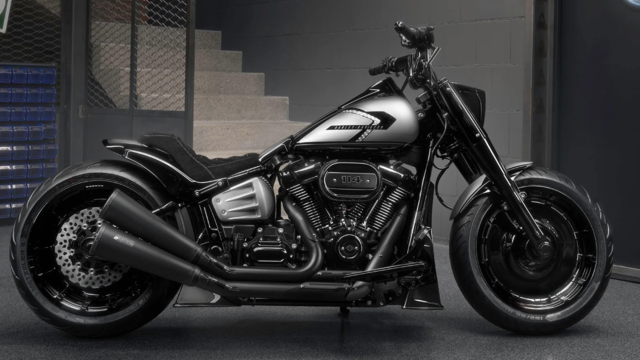
Harley-Davidson Fat Boy Becomes a Dark, Decepticon-Inspired Custom
Verdad Gallardo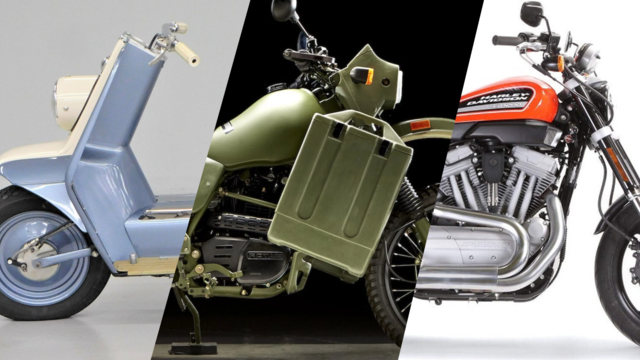
6 Weirdest Harley-Davidsons Ever Sold to the Public
Verdad Gallardo
7 Times Harley-Davidson Chucked Tradition Out the Window
Verdad Gallardo
7 Surprising Harley-Davidson Products that Are Not Motorcycles
Verdad Gallardo
8 Best Harley-Davidson Motorcycles Ever
Pouria Savadkouei
10 Worst Harley-Davidson Motorcycles Ever
Pouria Savadkouei
Killer Custom's Jail Break Is The Breakout That Refused to Blend In
Verdad Gallardo
Crazy Bunderbike Build Looks Amazing, But Is It Impossible to Ride?
Verdad Gallardo
Seasoned HDF Member
Joined: Dec 2010
Posts: 7,736
Likes: 1,524
From: Coromandel Peninsula New Zealand
I didn't say you were wrong, I just asked the question of HarDlife and he got the joke....
Seasoned HDF Member
Joined: Jan 2011
Posts: 157,631
Likes: 57,166
From: Michigan 15 Minutes East Of Hell
We're cool and I appreciate the response sir.