






Problem with Iridium plugs

Road Warrior
Joined: Nov 2010
Posts: 1,870
Likes: 4
From: Jacksonville, FL

Hmmm, interesting subject. Here is a Q&A off of NGK's site, note the part I bolded. Do what you want, but the gap needs to be checked (properly) in my opinion and it seems NGK agrees.
Here is the NGK site: http://www.ngksparkplugs.com/tech_su.../faqpregap.asp
Here is the NGK site: http://www.ngksparkplugs.com/tech_su.../faqpregap.asp
Q: Do I need to set the "gap" when installing a new set of plugs?
A: Maybe. A spark plug part number might fit hundreds of different engines from many different manufacturers. Although the NGK factory will set the gap to a pre-selected setting, this may not be the right gap for your particular engine. The incorrect plug gap for your engine can contribute to a high rate of misfires, loss of power, plug fouling, poor fuel economy, and accelerated plug wear. It is always best to check the gap against the manufacturer's specifications. If adjusting the gap on fine wire or precious metal plugs such as platinum or iridium be very careful not to apply any pressure or prying force to the fine wire center electrode or insulator as they can be damaged. The gap should be adjusted by only moving the ground electrode.
Another consideration that should be taken into account is the extent of any modifications that you may have made to the engine. As an example, when you raise compression or add forced induction (a turbo system, nitrous or supercharger kit) you must reduce the gap (about .004" for every 50 hp you add). However, when you add a high power ignition system (such as those offered by MSD, Crane, Nology) you can open the gap from .002-.005".
If you have any questions, please contact the NGK Sparkplugs Tech Staff
A: Maybe. A spark plug part number might fit hundreds of different engines from many different manufacturers. Although the NGK factory will set the gap to a pre-selected setting, this may not be the right gap for your particular engine. The incorrect plug gap for your engine can contribute to a high rate of misfires, loss of power, plug fouling, poor fuel economy, and accelerated plug wear. It is always best to check the gap against the manufacturer's specifications. If adjusting the gap on fine wire or precious metal plugs such as platinum or iridium be very careful not to apply any pressure or prying force to the fine wire center electrode or insulator as they can be damaged. The gap should be adjusted by only moving the ground electrode.
Another consideration that should be taken into account is the extent of any modifications that you may have made to the engine. As an example, when you raise compression or add forced induction (a turbo system, nitrous or supercharger kit) you must reduce the gap (about .004" for every 50 hp you add). However, when you add a high power ignition system (such as those offered by MSD, Crane, Nology) you can open the gap from .002-.005".
If you have any questions, please contact the NGK Sparkplugs Tech Staff
Last edited by edpnjax; Mar 23, 2013 at 08:07 AM.
Cruiser
Joined: Jul 2010
Posts: 151
Likes: 0
From: Monticello Indiana
I've installed hundreds of Iridium plugs and never gapped them. They even tell you not to because of electrode damage.
Iridium plugs are also intended for high output coil on plug and SPFI fuel systems. It only takes a little bit of excess unburned gas to make them miss.
And once the plug starts missing throw it away.
Iridium plugs are also intended for high output coil on plug and SPFI fuel systems. It only takes a little bit of excess unburned gas to make them miss.
And once the plug starts missing throw it away.
If you gapped the new plugs to a larger than preset spec, that could have damaged or the wider gap be the cause of your missfire.

Thread Starter
|
Intermediate
Joined: Feb 2013
Posts: 49
Likes: 0
From: SoCal
I will check the gap. They look like they are getting really hot..bluish color.
My bike runs good on regular old champions, it gotta be something with these plugs.
Checking the gap today.
My bike runs good on regular old champions, it gotta be something with these plugs.
Checking the gap today.

Ultimate HDF Member
Joined: Jan 2009
Posts: 5,016
Likes: 277
From: East Tn Foot of The Dragon

HD Forum Stories
The Best of Harley-Davidson for Lifelong Riders

Jason Momoa Is Turning Classic Harleys Into PHEVs
Verdad Gallardo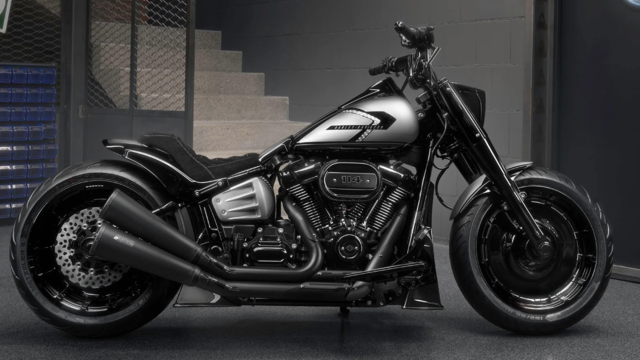
Harley-Davidson Fat Boy Becomes a Dark, Decepticon-Inspired Custom
Verdad Gallardo
6 Weirdest Harley-Davidsons Ever Sold to the Public
Verdad Gallardo
7 Times Harley-Davidson Chucked Tradition Out the Window
Verdad Gallardo
7 Surprising Harley-Davidson Products that Are Not Motorcycles
Verdad Gallardo
8 Best Harley-Davidson Motorcycles Ever
Pouria Savadkouei
10 Worst Harley-Davidson Motorcycles Ever
Pouria Savadkouei
Killer Custom's Jail Break Is The Breakout That Refused to Blend In
Verdad Gallardo
Crazy Bunderbike Build Looks Amazing, But Is It Impossible to Ride?
Verdad Gallardo
Intermediate
Joined: Mar 2013
Posts: 25
Likes: 0
From: wesley chapel fl
for what its worth no plugs are pre gaped for and bike or car would never install plugs until gap is checked