





Helical vs. Straight cut

Advanced
Joined: Feb 2005
Posts: 65
Likes: 0
From:
 RE: Helical vs. Straight cut
ORIGINAL: mikeisglidn
straight cut gears are usually stronger, but much more noisey, the helicut are quiet but wont take as much abuse
straight cut gears are usually stronger, but much more noisey, the helicut are quiet but wont take as much abuse
As you might imagine, straight-cut gears are also less complicated (cheaper) to manufacture...

Stellar HDF Member


Joined: Dec 2005
Posts: 3,234
Likes: 107
RE: Helical vs. Straight cut
It makes a good story to get one or the other. But the truth is most transmissions have both. Straight cut in the strength areas and helical elsewhere.
I saw a blow up of the SE 6 speed and that thing is all straight cut gears
Here is the 06 Dyna. Straight in 1 and 5th.
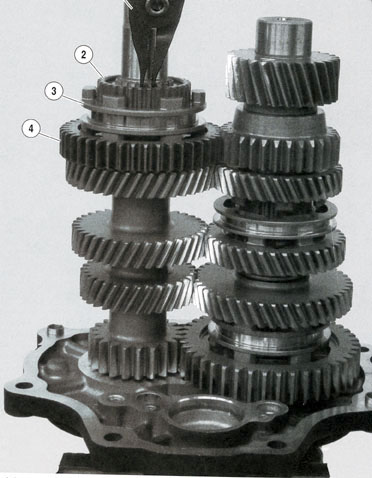
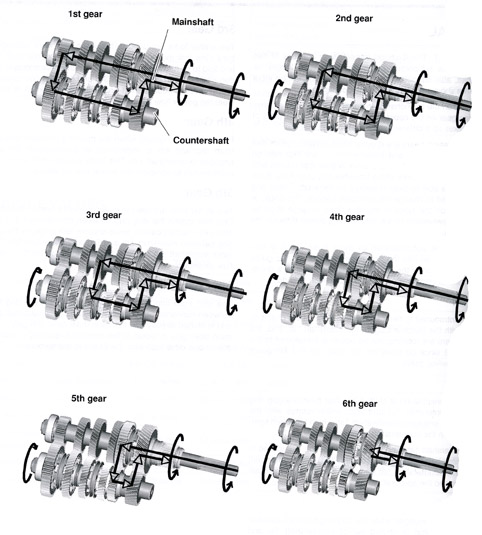
Lee

I saw a blow up of the SE 6 speed and that thing is all straight cut gears
Here is the 06 Dyna. Straight in 1 and 5th.
Lee
Trending Topics

Novice
Joined: Nov 2005
Posts: 17
Likes: 0
From:
HD Forum Stories
The Best of Harley-Davidson for Lifelong Riders

Jason Momoa Is Turning Classic Harleys Into PHEVs
Verdad Gallardo
Harley-Davidson Fat Boy Becomes a Dark, Decepticon-Inspired Custom
Verdad Gallardo
6 Weirdest Harley-Davidsons Ever Sold to the Public
Verdad Gallardo
7 Times Harley-Davidson Chucked Tradition Out the Window
Verdad Gallardo
7 Surprising Harley-Davidson Products that Are Not Motorcycles
Verdad Gallardo
8 Best Harley-Davidson Motorcycles Ever
Pouria Savadkouei
10 Worst Harley-Davidson Motorcycles Ever
Pouria Savadkouei
Killer Custom's Jail Break Is The Breakout That Refused to Blend In
Verdad Gallardo
Crazy Bunderbike Build Looks Amazing, But Is It Impossible to Ride?
Verdad Gallardo RE: Helical vs. Straight cut
Helical gears can be made to be just as strong as strait cut gears, but it is very costly. My ship a DDG(guided misile destroyer) uses a main reduction gear that has all helical cut gears. we have 2 LM-2500 gas turbine motors for each reduction gear that generates 50,000 hp per shaft, so the reduction gear is under some heavy load. but as i stated before they are pricey. infact so expensive that the Navy doesnt own them, they lease them form GE for the life of the ship.
Chris
Chris
