


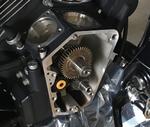


80 in. EVO compression

Thread Starter
|
Intermediate
Joined: Jan 2007
Posts: 26
Likes: 0
 80 in. EVO compression
I had a 1994 Electra glide with the 80 cu. in. EVO engine and had it rebuilt at 61000 miles. Made it to 101000 miles and the had a factory re manufactured engine installed. I ran compression tests on both engines several times during the 4 1/2 years I had the bike. Every test was made with a warm engine with the throttle held open and each test resulted in 145 to 150 psi in both front and rear cylinders. Very consistent with both engines. Both engines were stock except for having the Stage I upgrade. AC, Mufflers and re jetted carb. I now have a 1998 Road king with the 80 cu. in. with the Stage I upgrade with 44000 miles that I bought a month ago. I did a compression test 3 times now and the results are 170 psi in front and rear cylinders. Bike really runs great after I re jetted the carb. I know nothing about what might have been done to the engine previously.
My question is--- Is the increased psi compression on the Road King an indicator of possible engine work upgrades or is there a factory difference somewhere between the 1994 and 1998 stock 80 cu. in EVO engines. The 98 Road King weighs a little less than the Electra Glide, but from about 2800 rpm on up it pulls so much harder and faster than the Electra Glide ever thought about doing.. I'd like to know the cause of the difference in psi, but don't want to pull it apart to see what makes the difference.
Any ideas will be appreciated.............. Thanks.......... buckhorns
My question is--- Is the increased psi compression on the Road King an indicator of possible engine work upgrades or is there a factory difference somewhere between the 1994 and 1998 stock 80 cu. in EVO engines. The 98 Road King weighs a little less than the Electra Glide, but from about 2800 rpm on up it pulls so much harder and faster than the Electra Glide ever thought about doing.. I'd like to know the cause of the difference in psi, but don't want to pull it apart to see what makes the difference.
Any ideas will be appreciated.............. Thanks.......... buckhorns

Stellar HDF Member


Joined: Jul 2011
Posts: 2,583
Likes: 115
From: Boston, MA

hey Buck,
a quick and possibly accurate test is to grab a flathead and pop open one of your pushrod covers to see if ya gots collapsible or ajdustable rods.
it's guaranteed to work 80% of the time.

a quick and possibly accurate test is to grab a flathead and pop open one of your pushrod covers to see if ya gots collapsible or ajdustable rods.
it's guaranteed to work 80% of the time.

Seasoned HDF Member

Joined: Aug 2008
Posts: 5,082
Likes: 2,159
From: Ohio
Trending Topics
Thread Starter
|
Intermediate
Joined: Jan 2007
Posts: 26
Likes: 0
Checked push rods this morning and they appear to be stock. Not adjustable. My biggest concern is that if the cam has been changed, did they change the inner cam bearing too. ?????????????????
77 Bagger and Uncle G, thanks for the input. Guess I'll put some miles on it. ( Run it and Watch it) If it keeps running as it is and the compression psi remain the same, I'll assume some work has been done to it and I will have saved some money and will be happy as He!!
77 Bagger and Uncle G, thanks for the input. Guess I'll put some miles on it. ( Run it and Watch it) If it keeps running as it is and the compression psi remain the same, I'll assume some work has been done to it and I will have saved some money and will be happy as He!!
HD Forum Stories
The Best of Harley-Davidson for Lifelong Riders

Jason Momoa Is Turning Classic Harleys Into PHEVs
Verdad Gallardo
Harley-Davidson Fat Boy Becomes a Dark, Decepticon-Inspired Custom
Verdad Gallardo
6 Weirdest Harley-Davidsons Ever Sold to the Public
Verdad Gallardo
7 Times Harley-Davidson Chucked Tradition Out the Window
Verdad Gallardo
7 Surprising Harley-Davidson Products that Are Not Motorcycles
Verdad Gallardo
8 Best Harley-Davidson Motorcycles Ever
Pouria Savadkouei
10 Worst Harley-Davidson Motorcycles Ever
Pouria Savadkouei
Killer Custom's Jail Break Is The Breakout That Refused to Blend In
Verdad Gallardo
Crazy Bunderbike Build Looks Amazing, But Is It Impossible to Ride?
Verdad Gallardo
Stellar HDF Member
Joined: Jul 2011
Posts: 2,583
Likes: 115
From: Boston, MA
exactly. She's running, why bother. my $0.02, the po had the base gasket leak and bought a James top end kit then decided to do the torrington and cam swap and added a drop-in cam. Rockers off, the engine apart why buy new rods?
Tourer
Joined: Aug 2009
Posts: 359
Likes: 2
From: central Mississippi
My stock 80 incher had 150 psi on both cylinders. I installed JE 9.5-1 pistons and it went to 200 psi on each cylinder. Someone has worked on it. Kinda surprised it doesn't have adjustable push rods though. If it's running good, I'd just ride it.