
Are EU Sales Secretly Driving The Revolution Max Move To Thailand?
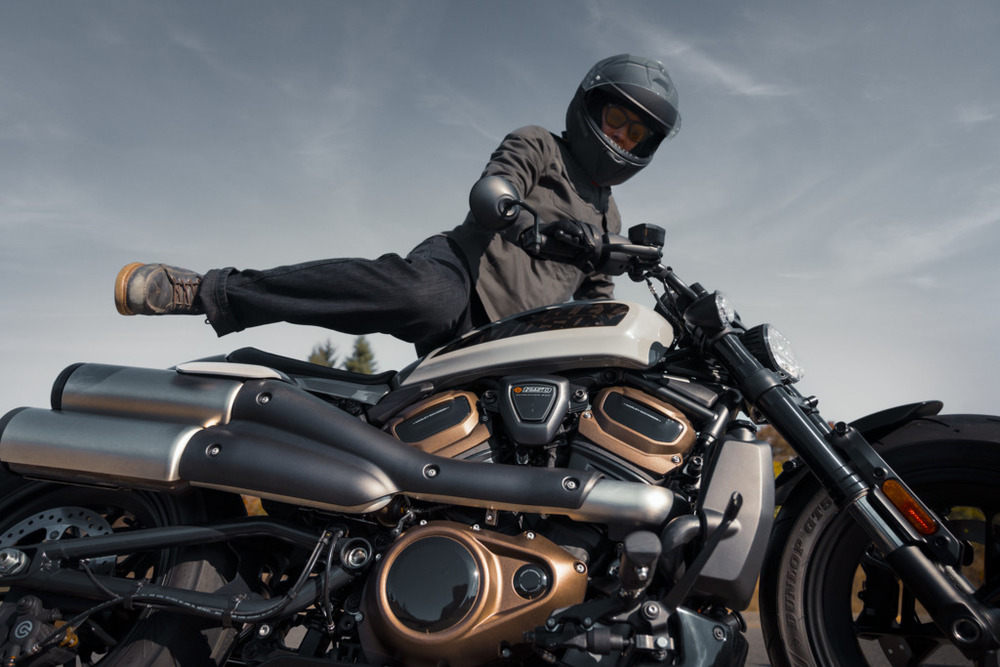 A 31% tariff on Harley-Davidsons sold in Europe may be adding fuel to a controversial decision to build some models in Thailand.
Last summer, Harley-Davidson announced that full production of its Revolution Max-powered line is soon moving to Thailand. That includes models like the Nightster, Sportster S, and Pan America 1250. However, a Certified Public Accountant behind the YouTube channel HDVIBE suspects that Harley fans and some employees aren’t getting the whole story.
American workers could lose jobs
Needless to say, Harley fans were upset at the concept of the quintessential American brand building bikes overseas. Especially since those units will be imported back into the United States for sale. Many loyalists remarked that this move backtracked on a promise that bikes destined for the U.S. marketplace would never be built overseas. Besides concerns over quality and a sense of patriotism, there’s also the matter of lost jobs. Union factory employees in both Wisconsin and Pennsylvania are none-too-pleased that their jobs could be lost to Thai workers.
In its defense, Harley-Davidson points to significant tax breaks and other financial incentives from the Thai government to produce certain models in that country. But according to video from HDVIBE (linked below), the brand isn’t being forthcoming about an additional motivation to build bikes in Thailand: avoiding sky-high tariffs in Europe.

Trump’s tariffs triggered Harley-Davidson Thailand
The saga in Thailand begins around 2017-2018 during the first administration of President Trump, who slapped tariffs on steel and aluminum supplied from the Europe Union (EU). In retaliation, the EU raised the tariffs on American motorcycles sold in Europe. Suddenly, the previous 6% tariff became a whopping 31%.
The new tariff essentially added a 25% price increase to all Harleys sold in Europe. That premium can be absorbed by Harley-Davison, its EU dealerships, customers, or most likely, a combination of all three. In 2018, the financial impact of the new EU tariff to Harley was estimated at $40 million.
A temporary workaround was discovered
The Motor Company discovered a way to work around the new 31% tariff, at least for certain models. What happened was that the Kansas City, Missouri plant was shuttered and a new Revolution Max plant was built in Thailand instead. The logic being that motorcycles shipped directly to the EU from Thailand will avoid the 31% tariff since they’re not made in the USA. In 2019, the Thailand plant opened and nearly 600 U.S. workers lost their jobs.
This tariff workaround later backfired when the EU questioned whether the Thai-made bikes were truly manufactured in Thailand. Or instead, it was more like minor assembly of American-made components. Harley-Davidson contested this ruling and continued to avoid the higher tariff while the legal appeal ran its course.

The EU ruled against Harley’s cheating
In November, 2024, the EU denied Harley’s appeal. That meant higher tariffs, even on the Revolution Max bikes from Thailand. However, HDVIBES theorizes that if complete soup-to-nuts production of Revolution Max-based bikes moves to Thailand — everything from engines to paint — European politicians won’t be able to dispute the bikes’ origin when determining tariffs.
Harley-Davidson claims that offshoring the all of the Revolution Max products won’t affect American workers’ jobs. Frankly, that’s hard to believe. Especially considering that the Motor Company has already broken other manufacturing promises. Finally, consumer will note that more traditional H-D models like the Softails and touring bikes continue to be produced domestically. That also means they’ll continue to be pricey for European buyers because of the heightened tariff.
Photos: Harley-Davidson
You must be logged in to post a comment.