When you click on links to various merchants on this site and make a purchase, this can result in this site earning a commission. Affiliate programs and affiliations include, but are not limited to, the eBay Partner Network.
Sony AVX-AV100 HU output is front channels are connected to the Arc and the rear channels connected to the NVX VAD 1000.4 , Arc 600.4 in the fairing running the ,Arc 6.5 602's Upper and lower fairing with JL C2-650 6.5 in the TP wired in parallel with the lower fair on the front channels on the Arc. The NVX VAd 1000.4 is running the JL audio 6x9 (c2-690-xt) in lids and inside of bags. the lids are connected to the front channel on the amp and the 6x9 in the bags are connected to the rear channels on the amp.
This is my setup above.
I just picked up a Rockford DSR1 and was wondering how to connect it to two amps. also, what will I put the gains and the frequency setting on the amps itself. I only been seeing videos on how to connect it the one amp and with subs and tweeters.
Sony AVX-AV100 HU output is front channels are connected to the Arc and the rear channels connected to the NVX VAD 1000.4 , Arc 600.4 in the fairing running the ,Arc 6.5 602's Upper and lower fairing with JL C2-650 6.5 in the TP wired in parallel with the lower fair on the front channels on the Arc. The NVX VAd 1000.4 is running the JL audio 6x9 (c2-690-xt) in lids and inside of bags. the lids are connected to the front channel on the amp and the 6x9 in the bags are connected to the rear channels on the amp.
This is my setup above.
I just picked up a Rockford DSR1 and was wondering how to connect it to two amps. also, what will I put the gains and the frequency setting on the amps itself. I only been seeing videos on how to connect it the one amp and with subs and tweeters.
thanks,
You will set the gains as you would without the dsp. As far as crossover freqs, set the amps to Full/All Pass. All crossover adjustments through the Dsr1.
If and how you want your fade control to work will determine how to wire to the 2 amps.
You will set the gains as you would without the dsp. As far as crossover freqs, set the amps to Full/All Pass. All crossover adjustments through the Dsr1.
If and how you want your fade control to work will determine how to wire to the 2 amps.
I don't want to sound stupid, but what do you mean by the fade control would determine how I wire the 2 amps?
Sony AVX-AV100 HU output is front channels are connected to the Arc and the rear channels connected to the NVX VAD 1000.4 , Arc 600.4 in the fairing running the ,Arc 6.5 602's Upper and lower fairing with JL C2-650 6.5 in the TP wired in parallel with the lower fair on the front channels on the Arc. The NVX VAd 1000.4 is running the JL audio 6x9 (c2-690-xt) in lids and inside of bags. the lids are connected to the front channel on the amp and the 6x9 in the bags are connected to the rear channels on the amp.
This is my setup above.
I just picked up a Rockford DSR1 and was wondering how to connect it to two amps. also, what will I put the gains and the frequency setting on the amps itself. I only been seeing videos on how to connect it the one amp and with subs and tweeters.
thanks,
Whats DSM said... plus since DSR has 8 channels out... and you have 8 channels with those 2 amps.. its pretty straight forward.. Is that what you are referring too.??
I don't want to sound stupid, but what do you mean by the fade control would determine how I wire the 2 amps?
If you want to control front to rear fade on the go, through the head unit, you can. For example, if you want to be able to balance the bag speakers, you use the head unit front channels into the dsp on channels 1&2. Output channels 1&2 from the dsp to front channel input on the Arc600. Output channels 3&4 to the rear channel inputs of the Arc600.
Then use the head unit rear outputs to channels 5&6 inputs of the dsp. Output channels 5&6 from the dsp to front inputs of the NVX. This will allow using the fade control to change the balance on the go.
All that being said, having fade control the way you have your setup configured, is probably a moot point. You should probably reconsider your amp, speaker and wiring strategy.
If you want to control front to rear fade on the go, through the head unit, you can. For example, if you want to be able to balance the bag speakers, you use the head unit front channels into the dsp on channels 1&2. Output channels 1&2 from the dsp to front channel input on the Arc600. Output channels 3&4 to the rear channel inputs of the Arc600.
Then use the head unit rear outputs to channels 5&6 inputs of the dsp. Output channels 5&6 from the dsp to front inputs of the NVX. This will allow using the fade control to change the balance on the go.
All that being said, having fade control the way you have your setup configured, is probably a moot point. You should probably reconsider your amp, speaker and wiring strategy.
Ok, the way I have it now is what the Arc tech support told me. If there is a better way to setup it up, please share. I'm open to try it. I'm by far no audio tech. that is why I'm on this site to learn and share what I have done or heard.
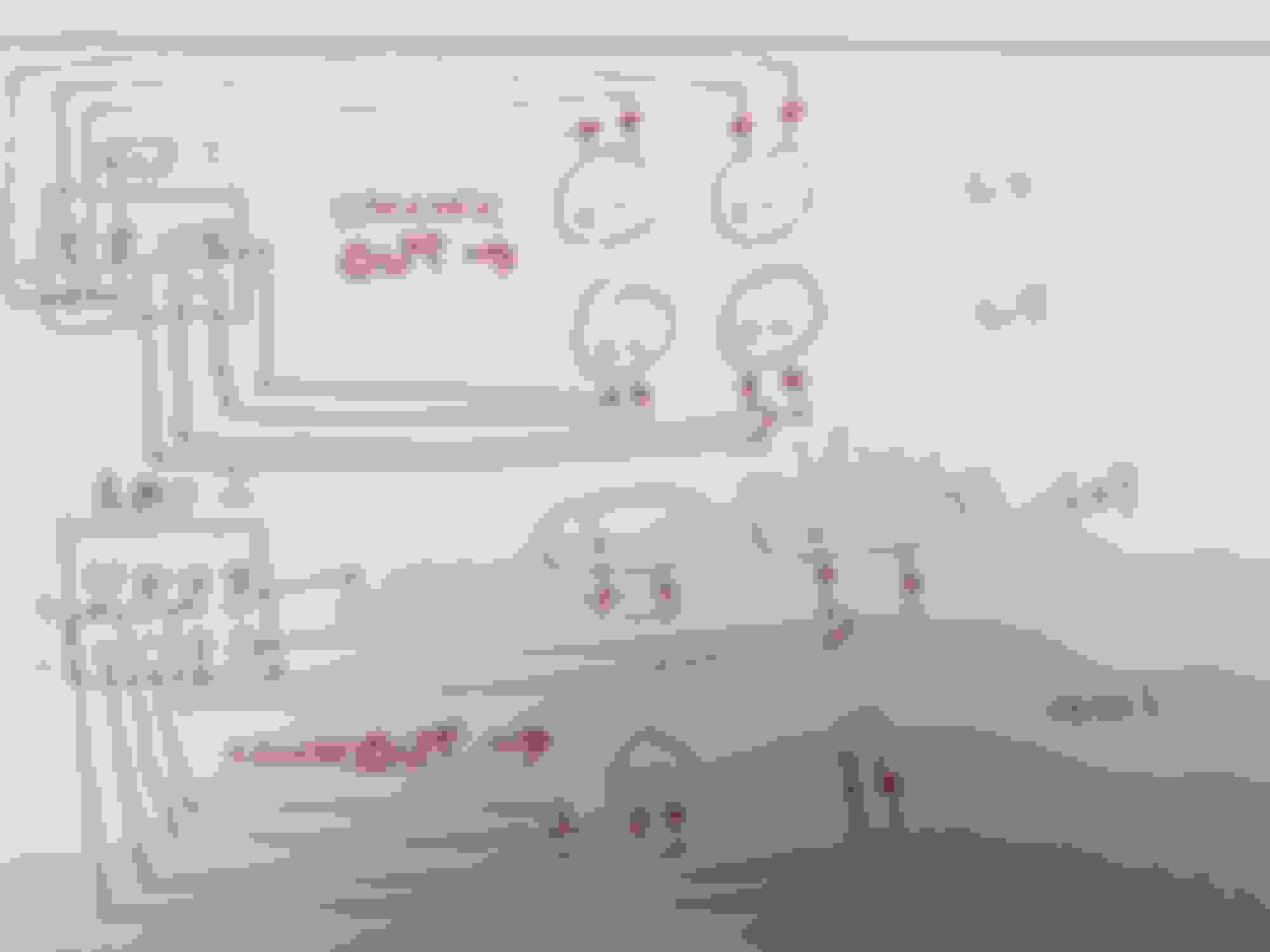
I kinda have a similar setup. I banged my head against a wall on how to wire it all correctly. This diagram was from a thread I started. may help if you draw out exactly how its wired.
I am considering a DSR as well. Did you get it from American?
If you want to control front to rear fade on the go, through the head unit, you can. For example, if you want to be able to balance the bag speakers, you use the head unit front channels into the dsp on channels 1&2. Output channels 1&2 from the dsp to front channel input on the Arc600. Output channels 3&4 to the rear channel inputs of the Arc600.
Then use the head unit rear outputs to channels 5&6 inputs of the dsp. Output channels 5&6 from the dsp to front inputs of the NVX. This will allow using the fade control to change the balance on the go.
All that being said, having fade control the way you have your setup configured, is probably a moot point. You should probably reconsider your amp, speaker and wiring strategy.
DSM... you lost me when you said "Then use the head unit rear outputs to channels 5 and 6 inputs of the DSP".. I could be crazy here but I hooked my head unit RCA Front output to 1 and 2 input of the DSP.. then my HU Rear Output to 3/4 input of the DSP.. I could be wrong.. Please explain.. where you get 5 and 6 inputs on the DSR?.or maybe i had to much Titos last night..
Last edited by bdrummer0413; Apr 8, 2019 at 11:39 AM.
DSM... you lost me when you said "Then use the head unit rear outputs to channels 5 and 6 inputs of the DSP".. I could be crazy here but I hooked my head unit RCA Front output to 1 and 2 input of the DSP.. then my HU Rear Output to 3/4 input of the DSP.. I could be wrong.. Please explain.. where you get 5 and 6 inputs on the DSR?.or maybe i had to much Titos last night..
He kinda lost me too, but hey. what do i know, I'm trying to learn here.
I kinda have a similar setup. I banged my head against a wall on how to wire it all correctly. This diagram was from a thread I started. may help if you draw out exactly how its wired.
I am considering a DSR as well. Did you get it from American?
Slideshow: Jason Momoa's latest restoration project blends 1920s Harley-Davidsons with modern electric technology, creating some of the most unusual hybrid motorcycles ever built.
Harley-Davidson Fat Boy Becomes a Dark, Decepticon-Inspired Custom
Slideshow: Killer Custom's latest build relies on styling changes rather than performance upgrades, giving the cruiser an entirely different personality.
7 Surprising Harley-Davidson Products that Are Not Motorcycles
Slideshow: The bar-and-shield logo shows up on far more than motorcycles, some of the company's most unexpected products have nothing to do with riding.
Slideshow: From the troubled AMF years to modern misfires, these bikes earned reputations for reliability issues, questionable engineering, or disappointing performance.
Crazy Bunderbike Build Looks Amazing, But Is It Impossible to Ride?
Slideshow: The Swiss custom shop has taken a Harley Softail and stretched it into something so long and low that it looks closer to a rolling sculpture than a conventional motorcycle.




 DSR! help