



reducing spark plug gap...Hmmm...

Thread Starter
|
Ultimate HDF Member
Joined: Oct 2007
Posts: 7,562
Likes: 11
From: Palm Harbor fl.
 reducing spark plug gap...Hmmm...
Ok was reading an article on spark gap. For every 12.5 Hp added to our engines, it mentions to reduce the plug gap by .004. So add cams and a stage 1 and maybe the gap should be around .032-.036 or so....anyone else actually do this. The reduction in gap is not done if a high performance ignition system is added.

Banned
Joined: Mar 2010
Posts: 5,403
Likes: 7
From: Southwest Florida
Ok was reading an article on spark gap. For every 12.5 Hp added to our engines, it mentions to reduce the plug gap by .004. So add cams and a stage 1 and maybe the gap should be around .032-.036 or so....anyone else actually do this. The reduction in gap is not done if a high performance ignition system is added.
I know, if you put a supercharger on something, you have to be careful with spark gap because the big increase in airflow can literally blow out a spark.
But on a naturally aspirated engine? There's a lot of things I haven't heard of, and this could be one of them.
Thread Starter
|
Ultimate HDF Member
Joined: Oct 2007
Posts: 7,562
Likes: 11
From: Palm Harbor fl.
Yeah, I don't know. I have just done cams and retuned the carb on my bike. FWIW the plugs are showing too rich for how my carb is setup. I have run the bike set this way before the cams and the plugs were not reading as rich as they are now(the only actual difference in my carb is a 1 step higher main jet. I had run my bike before with this same main jet while tuning it for stage1). Anyways, the info does talk of too high a gap and fouling, misfiring, and poor economy and performance can occur. I reduced my gap to .035 from .040 and gonna see how the plugs look after riding with no other changes to the tune. My 05 service manual say correct gap on the stock motor is .038-.043. Link to the info.. http://www.nightrider.com/biketech/t...k_plug_gap.htm
Last edited by rounder; May 16, 2010 at 10:01 AM.

Road Warrior
Joined: May 2005
Posts: 1,301
Likes: 24
From: Minden LA
Yeah, I don't know. I have just done cams and retuned the carb on my bike. FWIW the plugs are showing too rich for how my carb is setup. I have run the bike set this way before the cams and the plugs were not reading as rich as they are now(the only actual difference in my carb is a 1 step higher main jet. I had run my bike before with this same main jet while tuning it for stage1). Anyways, the info does talk of too high a gap and fouling, misfiring, and poor economy and performance can occur. I reduced my gap to .035 from .040 and gonna see how the plugs look after riding with no other changes to the tune. My 05 service manual say correct gap on the stock motor is .038-.043. Link to the info.. http://www.nightrider.com/biketech/t...k_plug_gap.htm
Banned
Joined: Mar 2010
Posts: 5,403
Likes: 7
From: Southwest Florida
Yeah, I don't know. I have just done cams and retuned the carb on my bike. FWIW the plugs are showing too rich for how my carb is setup. I have run the bike set this way before the cams and the plugs were not reading as rich as they are now(the only actual difference in my carb is a 1 step higher main jet. I had run my bike before with this same main jet while tuning it for stage1). Anyways, the info does talk of too high a gap and fouling, misfiring, and poor economy and performance can occur. I reduced my gap to .035 from .040 and gonna see how the plugs look after riding with no other changes to the tune. My 05 service manual say correct gap on the stock motor is .038-.043. Link to the info.. http://www.nightrider.com/biketech/t...k_plug_gap.htm
The only way to truly find what gap works best for you is to experiment just like you're doing. I'm not sure I would have gone .005 in one shot but, what the hey? Plugs are cheap.

Road Master
Joined: Oct 2008
Posts: 1,023
Likes: 138
From: here
Used to do this with carburated engines when one plug looked richer than the other; decrease the gap in the richer plug, something reasonable for that particular plug, and maybe increase the leaner plugs just a little if it was too lean. It did work to even out way the plugs were burning.
Don't know the physics / science behind it but suspected that the smalled distance would actually produce a stronger spark, richer environment would, more saturated, more sure to fire. Larger gap would mean more distance, slightly weaker spark but more environment to pass through so better chance of ignition.
Don't know the physics / science behind it but suspected that the smalled distance would actually produce a stronger spark, richer environment would, more saturated, more sure to fire. Larger gap would mean more distance, slightly weaker spark but more environment to pass through so better chance of ignition.
Thread Starter
|
Ultimate HDF Member
Joined: Oct 2007
Posts: 7,562
Likes: 11
From: Palm Harbor fl.
do you have any oil dripping from the air filter? It may be that you are overfilled with oil and the excess being pump out of the vents is going back into the top end of your engine and turning the plugs darker. Try running your oil level a bit lower and see if the darker plugs don't go away. I just did the 95"/9.4:1 compression/cams bla bla bla and I used a jet drill to open up the main jet---190 by .003" (not up to a 195). My exhaust is just a bit darker than cocoa and the plugs look fine, and I'm still getting 43 mpg and the bike hauls butt with NO carb farts--just a thought----jack
Last edited by rounder; May 17, 2010 at 05:55 AM.
Trending Topics
Banned
Joined: Mar 2010
Posts: 5,403
Likes: 7
From: Southwest Florida
I didn't read it, but I know that too much gap causes problems and so does too little gap. Too small of a gap and the spark is quick and weak, too big and the ignition system labors and misfires can result.
The only way to truly find what gap works best for you is to experiment just like you're doing. I'm not sure I would have gone .005 in one shot but, what the hey? Plugs are cheap.
The only way to truly find what gap works best for you is to experiment just like you're doing. I'm not sure I would have gone .005 in one shot but, what the hey? Plugs are cheap.
Not sure they completely understand what's going on in there. Superchargers and turbo-superchargers send hurricane force air just screaming into the combustion chamber. That's their job. It's what they do. That much wind really can extinguish a spark, just like blowing out a candle. Which is why I run a high-energy ignition system on my supercharged car. And .045 gap.
NO2? Meh. It releases its oxygen molecules at a certain temperature (540 degrees?) and isn't screaming into the combustion chamber like a runaway freight train.
But I don't disagree with you experimenting with your plug gap. I guess I don't have to know why something works, just that it does.
I don't have OCD. Besides, the letters aren't arranged properly. It should be ODC.
HD Forum Stories
The Best of Harley-Davidson for Lifelong Riders

Jason Momoa Is Turning Classic Harleys Into PHEVs
Verdad Gallardo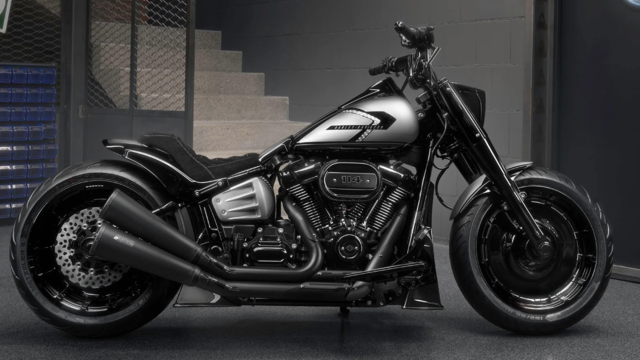
Harley-Davidson Fat Boy Becomes a Dark, Decepticon-Inspired Custom
Verdad Gallardo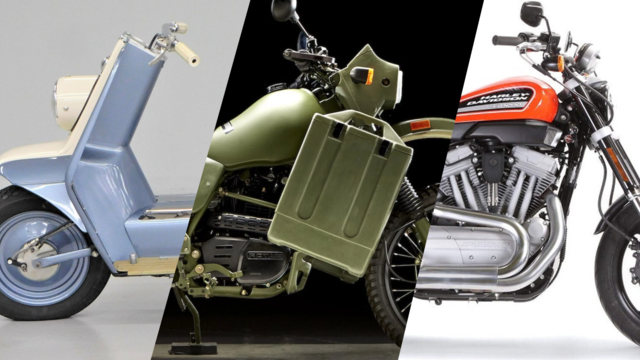
6 Weirdest Harley-Davidsons Ever Sold to the Public
Verdad Gallardo
7 Times Harley-Davidson Chucked Tradition Out the Window
Verdad Gallardo
7 Surprising Harley-Davidson Products that Are Not Motorcycles
Verdad Gallardo
8 Best Harley-Davidson Motorcycles Ever
Pouria Savadkouei
10 Worst Harley-Davidson Motorcycles Ever
Pouria Savadkouei
Killer Custom's Jail Break Is The Breakout That Refused to Blend In
Verdad Gallardo
Crazy Bunderbike Build Looks Amazing, But Is It Impossible to Ride?
Verdad Gallardo
Road Master
Joined: May 2006
Posts: 941
Likes: 27
From:
The higher the psi the greater the resistance between spark plug gap. I can see needing a narrower gap or higher voltage ignition with a hotter build in theory and some cases real world application.
The whole turbos/superchargers blowing the electic arc out is well a bunch of BS. They do however raise compression psi over same build natural aspirated which does raise resistance between the gap which is the real science.
The whole turbos/superchargers blowing the electic arc out is well a bunch of BS. They do however raise compression psi over same build natural aspirated which does raise resistance between the gap which is the real science.
Road Warrior
Joined: May 2005
Posts: 1,301
Likes: 24
From: Minden LA
The higher the psi the greater the resistance between spark plug gap. I can see needing a narrower gap or higher voltage ignition with a hotter build in theory and some cases real world application.
The whole turbos/superchargers blowing the electic arc out is well a bunch of BS. They do however raise compression psi over same build natural aspirated which does raise resistance between the gap which is the real science.
The whole turbos/superchargers blowing the electic arc out is well a bunch of BS. They do however raise compression psi over same build natural aspirated which does raise resistance between the gap which is the real science.