




Tire pressure recommendation
Seasoned HDF Member

Joined: Apr 2010
Posts: 9,568
Likes: 7,936
From: Long Island, New York

Moral of my story, call your tire manufacturer.

Thread Starter
|
Advanced
Joined: Apr 2018
Posts: 91
Likes: 9
From: FLORIDA
I just had an issue with my Shinko tires on the '70. Manual pressure was in the low 20's, I called Shinko they said go with the max pressure listed on the sidewall, 41 PSI. They offered that some people take out a pound or two for comfort, so I am now running about 38 PSI.
Moral of my story, call your tire manufacturer.
Moral of my story, call your tire manufacturer.
8008458378
Thread Starter
|
Advanced
Joined: Apr 2018
Posts: 91
Likes: 9
From: FLORIDA
I called a guy name Dave at Dunlop tires and he said 36 front and 36 rear. Which equals to minus 10% of maximum tire pressure coincidentally. He also said that you shouldn't go off the old school manuals only because tire technology has changed dramatically and going off the old recommendation isn't a good idea with new tires from this era
Stellar HDF Member


Joined: Jun 2007
Posts: 2,178
Likes: 600
From: SoCal.....I'm only here for the weather
I remember my little brother insisted once, if cars have carburetors then motorcycles must have motorburetors.
No matter how hard I tried, I could not convince him otherwise.
But he was only 8 years old at the time.
That's all I have.
No matter how hard I tried, I could not convince him otherwise.
But he was only 8 years old at the time.
That's all I have.

Stellar HDF Member
Joined: Jan 2013
Posts: 3,466
Likes: 425
From: Illinois
I was looking in my original owners manual for my 1979 shovelhead flh classic and the recomendere PSI at maximum is 32 PSI; however, I looked on my tire and it said 40 PSI max recommend. Which tire pressure should I follow? I had my tires at 38.5 PSI and rode nice, now I have 40.5 PSI and it feels "a little tippy" so I'm back to 38.5 PSI. The tire size is original to the bike
Cruiser


Joined: Aug 2013
Posts: 128
Likes: 34
From: Western Oakland County Michigan
Tire pressure.....😶
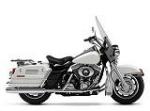
When I found my 1979 Electra Glide 1200 FLH King of the Highway all she needed
was new tires.
Metzler Ultra Marathon Wide White Walls.....👍
Sidewall shows 50-PSI max. I'm running about 45-47 rear and about 43-PSI front.
She runs like she's on rails! I can lean this big heavyweight (765 lb. wet) and scrape
my floor boards easy. Lean more at speed.
I recommend these Metzler to everyone on an FLH!
was new tires.
Metzler Ultra Marathon Wide White Walls.....👍
Sidewall shows 50-PSI max. I'm running about 45-47 rear and about 43-PSI front.
She runs like she's on rails! I can lean this big heavyweight (765 lb. wet) and scrape
my floor boards easy. Lean more at speed.
I recommend these Metzler to everyone on an FLH!
Road Captain

Joined: May 2009
Posts: 717
Likes: 18
From: perry, fl
bass, what tires you running on your flt? curious since I have an 80 flt? mine has the "old school" looking tires on it but I'd like to change them to a modern tire.
HD Forum Stories
The Best of Harley-Davidson for Lifelong Riders

7 Surprising Harley-Davidson Products that Are Not Motorcycles
Verdad Gallardo
8 Best Harley-Davidson Motorcycles Ever
Pouria Savadkouei
10 Worst Harley-Davidson Motorcycles Ever
Pouria Savadkouei
Killer Custom's Jail Break Is The Breakout That Refused to Blend In
Verdad Gallardo
Crazy Bunderbike Build Looks Amazing, But Is It Impossible to Ride?
Verdad Gallardo
Harley-Davidson Reveals Super Cool Cafe Racer Concept
Verdad Gallardo
Engraved Rebellion: Inside Bundnerbike's Glam Rock II
Verdad Gallardo
10 Motorcycles You Should Never Buy
Joe Kucinski
10 Things Harley-Davidson Needs to Fix in 2026
Verdad Gallardo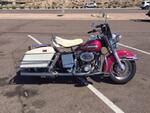
Tourer
Joined: Feb 2017
Posts: 256
Likes: 175
From: Fountain Hills, Arizona
Every bagger I have owned.... shovels, evos, twin cams..... will wallow around if the tire pressure is too low or mismatched from front to back. I run 34/34 in my 1982 FLHC and 38/40 in my evo bagger. It's amazing how much difference it makes.

Thread
Thread Starter
Forum
Replies
Last Post