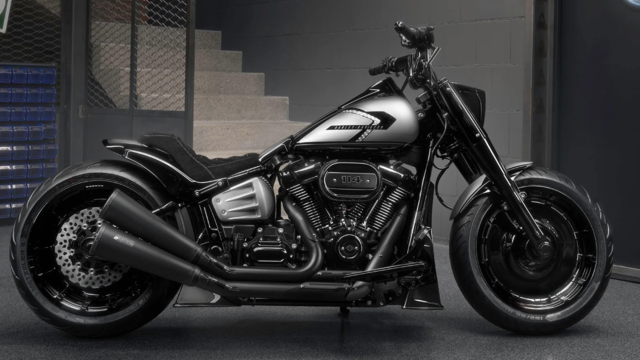

floating disc rotor



Floating rotors are always 2-piece, and typically the center is lightweight aluminum. Regular rotars are usually 1-piece and weigh more. Full floating rotors are secured with special hardware which allows the pieces to "float" slightly in response to the different heat expansion characteristics of the two metals:

There are also semi-floating rotors. They are primarily for looks and weight savings. They can all be interchanged.
There are also semi-floating rotors. They are primarily for looks and weight savings. They can all be interchanged.

Outstanding HDF Member
Joined: Jun 2007
Posts: 2,796
Likes: 36
From: Toronto, Ontario
From your end, you will not notice a difference.
I have them because I bought them off someone and they were black centers which is just looks.
The technology is good because the outer material is made of a different material than the center, idea is, the outer material can take extended amount of heat, while center is designed for connecting the rotors to the wheel.
This amount of heat is required by 'Racers' they hit the breaks so hard at every corners, usually 18 corners per lap, in 20 laps, so they need to handle 360 breaks from 180MPH down in a span of 24 minutes
My guess nobody on a cruiser or even a street bike will ever need this, so no difference at all.
I have them because I bought them off someone and they were black centers which is just looks.
The technology is good because the outer material is made of a different material than the center, idea is, the outer material can take extended amount of heat, while center is designed for connecting the rotors to the wheel.
This amount of heat is required by 'Racers' they hit the breaks so hard at every corners, usually 18 corners per lap, in 20 laps, so they need to handle 360 breaks from 180MPH down in a span of 24 minutes
My guess nobody on a cruiser or even a street bike will ever need this, so no difference at all.


Thread
Thread Starter
Forum
Replies
Last Post