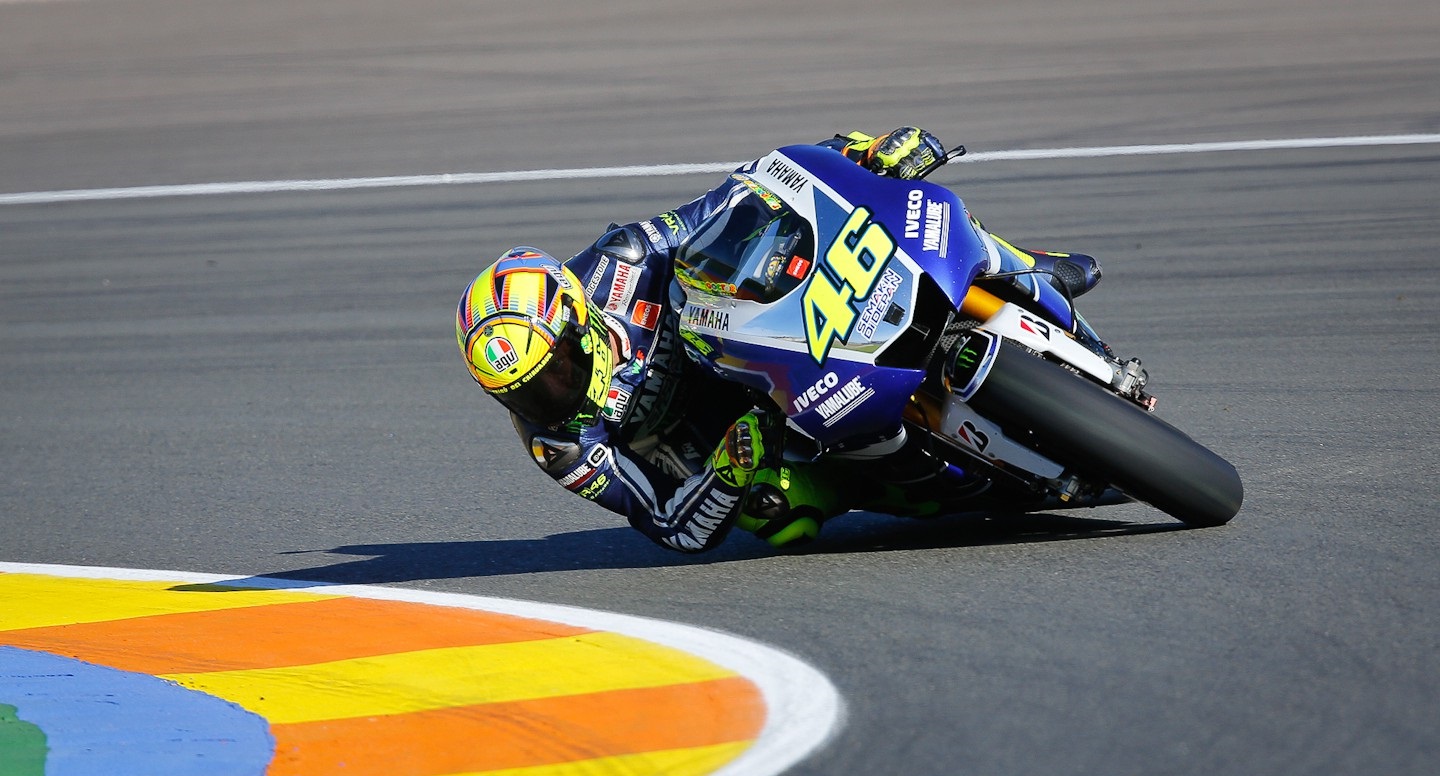





Counter weight while turning??

Tourer
Joined: Mar 2015
Posts: 346
Likes: 84
From: Toronto, Canada

That's the scariest video I've ever seen but absolutely necessary. My riding safety course emphasized this (actually, beat it to death) but the terminology used was different. Instead of "counter-steering" we used "push-steering" because it was more intuitive.
"Push right to go right and push left to go left".
"Push right to go right and push left to go left".

Road Warrior
Joined: Jun 2014
Posts: 1,357
Likes: 91
From: Michigan
That video just had me jump out of my skin, OMG, that scared the crap out of me, riding along and then pow!
One thing I did notice besides the lack of steering technique was the line the rider was taking through the turns, he was driving like it was a one-way road, when in essence it was not as we came to find out.
The slow motion really does emphasize/ exaggerate the lack of steering efficiency when it's not done correctly. To improve that video it would be a good thing to add a clip to the end showing the effects in slow motion to a turn done utilizing proper technique.
One thing I did notice besides the lack of steering technique was the line the rider was taking through the turns, he was driving like it was a one-way road, when in essence it was not as we came to find out.
The slow motion really does emphasize/ exaggerate the lack of steering efficiency when it's not done correctly. To improve that video it would be a good thing to add a clip to the end showing the effects in slow motion to a turn done utilizing proper technique.

Last edited by cvaria; Mar 13, 2016 at 07:43 PM.

Cruiser
Joined: Nov 2015
Posts: 194
Likes: 21
From: Vancouver,B.C.
It was tough learning counter steering, even after watching yu tube, talking with another cyclist at a coffee shop and he told me to push down on the handlebar and I worked on it for a month and going around those hi way ramps just kept improving instead of going closer and closer to the concrete barrier. Push down and opposite direction you are turning.
Club Member


Joined: Jul 2014
Posts: 11,469
Likes: 3,572
From: Idaho

It was tough learning counter steering, even after watching yu tube, talking with another cyclist at a coffee shop and he told me to push down on the handlebar and I worked on it for a month and going around those hi way ramps just kept improving instead of going closer and closer to the concrete barrier. Push down and opposite direction you are turning.

I will add another thought: handlebars don't go down, they go back and forth, or forward and backward, depending on how you picture it in your head. When you push, you push straight forward, not down. The last thing you want to do is make the bike lean more than it needs to for that curve at that speed. The less you lean the more traction you have.
So think: "Push forward". The bike will lean perfectly. And, pull back with the other hand at the same time.

Club Member


Joined: Jun 2007
Posts: 45,429
Likes: 2,898
From: Bedford UK
When I first learned about counter-steering I found that I was already doing it. In other words it will come naturally, as it is in fact the only way a bike will respond to intuitive riding. Learn about gyroscopes and how they behave when nudged.
Rebel, pretend you're a sack of potatoes and just sit on your bike and relax as you ride. Stop thinking 'stuff' and allowing yourself to be distracted, just flow. A training video or two should be helpful, but if you are still mystified then do as suggested and go on a training course.
Rebel, pretend you're a sack of potatoes and just sit on your bike and relax as you ride. Stop thinking 'stuff' and allowing yourself to be distracted, just flow. A training video or two should be helpful, but if you are still mystified then do as suggested and go on a training course.

Seasoned HDF Member
Joined: Sep 2013
Posts: 6,175
Likes: 1,966
From: Great State of Canada
When I first learned about counter-steering I found that I was already doing it. In other words it will come naturally, as it is in fact the only way a bike will respond to intuitive riding. Learn about gyroscopes and how they behave when nudged.
Rebel, pretend you're a sack of potatoes and just sit on your bike and relax as you ride. Stop thinking 'stuff' and allowing yourself to be distracted, just flow. A training video or two should be helpful, but if you are still mystified then do as suggested and go on a training course.
Rebel, pretend you're a sack of potatoes and just sit on your bike and relax as you ride. Stop thinking 'stuff' and allowing yourself to be distracted, just flow. A training video or two should be helpful, but if you are still mystified then do as suggested and go on a training course.

I'm far from being a training expert but this ^^^ resonates with me.
My short journey to the "counter-steering" promised land was preceded by loads of well intention-ed verbal and written advice on weight shifting, peg weighting, nut scrunching, shoulder dipping, sphincter knotting,,,,etc. methods which, if they don't actually result in counter-steering, won't do diddly on a half ton of long wheelbase cruiser/tourer road bike.
Maybe all this other stuff has merit on sport/racing machines but the "counter-steering" SOS (sack-O-spuds;
 ) method will put your heavy bike right where you want it to be all day long.
HD Forum Stories
The Best of Harley-Davidson for Lifelong Riders

7 Surprising Harley-Davidson Products that Are Not Motorcycles
Verdad Gallardo
8 Best Harley-Davidson Motorcycles Ever
Pouria Savadkouei
10 Worst Harley-Davidson Motorcycles Ever
Pouria Savadkouei
Killer Custom's Jail Break Is The Breakout That Refused to Blend In
Verdad Gallardo
Crazy Bunderbike Build Looks Amazing, But Is It Impossible to Ride?
Verdad Gallardo
Harley-Davidson Reveals Super Cool Cafe Racer Concept
Verdad Gallardo
Engraved Rebellion: Inside Bundnerbike's Glam Rock II
Verdad Gallardo
10 Motorcycles You Should Never Buy
Joe Kucinski
10 Things Harley-Davidson Needs to Fix in 2026
Verdad Gallardo
Seasoned HDF Member


Joined: Aug 2011
Posts: 5,286
Likes: 3,429
From: Idaho Panhandle
I trust my life to Counter Steering and I practice swerves every year. I had an "expert" friend, 100,000 miles of riding fail this test and was run over by a dump truck. He said target fixation, I saw a second of indecision about how to maneuver away. He spent years of recovery, years and years, lost his legs and it eventually got him. Practice medium and panic swerves (counter Steering) because that is the only way that you will counter steer in an emergency. I know it has saved me.
You do in an emergency what you have done before, not what you think you will do. If you have not practiced counter steering in emergency conditions (ie swerving), then you do not know how you will react in a real emergency until it happens,
You do in an emergency what you have done before, not what you think you will do. If you have not practiced counter steering in emergency conditions (ie swerving), then you do not know how you will react in a real emergency until it happens,
Club Member
Joined: Jun 2007
Posts: 45,429
Likes: 2,898
From: Bedford UK
I'm far from being a training expert but this ^^^ resonates with me.
My short journey to the "counter-steering" promised land was preceded by loads of well intention-ed verbal and written advice on weight shifting, peg weighting, nut scrunching, shoulder dipping, sphincter knotting,,,,etc. methods which, if they don't actually result in counter-steering, won't do diddly on a half ton of long wheelbase cruiser/tourer road bike.
Maybe all this other stuff has merit on sport/racing machines but the "counter-steering" SOS (sack-O-spuds;
) method will put your heavy bike right where you want it to be all day long.