Twin Cam Developement


Thread Starter
|
Banned
Joined: May 2005
Posts: 14,496
Likes: 156
From:
 Twin Cam Developement
The 2000 Harley Davidson Twin Cam 88B , all this and bad tensioners too!
Well how about first describing this engine, 5½ years in the making, as a bulletproof platform for the future. Designed with durability and reliability in mind, the engineers are expecting a minimum 160,000 kilometers before rebuild. In fact there are parts in both the 1999/2000 Twin Cam 88 and its vibration free counterpart the 2000 Twin Cam 88B that will not need replacing for many hundreds of thousand kilometers. For example; the bottom end pinion shaft bearing that rivals those used in top fuel dragsters. This engine is overengineered. It is a superlative effort in engine design that I’ve never seen or hope to have seen in my 30 years of working on the V-Twin.
It’s a platform for many future Factory modifications that are going to be extremely reliable. If your heart desires this staging area for more power it will be available, reliable, fast and durable. My list of Evolution engine deficiencies such as cracking cases, leaking base gaskets, oily venting, pulling case studs…need I go on…no longer exist. These inadequacies have all been addressed the new engines whether they be in the 88 rubbermounted version or the rigid mounted 88B counterbalanced models.
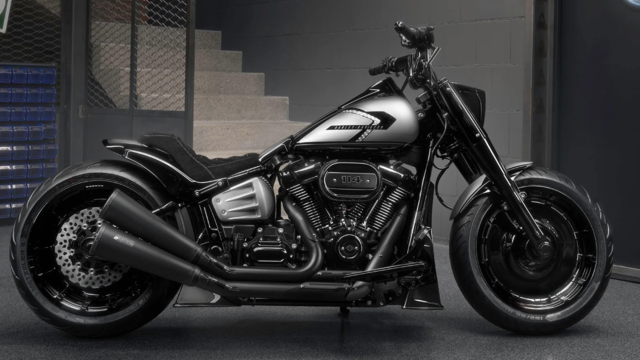
Only about 15 of the parts are the same as those used in the Evolution engine; examples are rocker arms, shafts, valve springs and intake valves. What are the differences between these two Twin Cam 88, (TW88), engines and what applications are they used in. First of all, there are upgrades to strengthen some key parts in the bottom end, timing chest area from 1999 models to the 2000 models. However the main change is in the Twin Cam 88B, (TW88B), model that is used in the rigid mounted Big Twins like the Softail. It has counter rotating balancers fore and aft of the bottom end flywheel assembly. This if course changes the look of the bottom part of the engine which has protrusions or bulges at the front and back to accommodate the twin balancing mechanisms. The location of the front balance shaft necessitated radically changing the traditional Harley front motor mount that has been used forever. The 88B engine weighs 14 lbs. more than the 88. Harley says that this balancing system is maintenance free for the life of the engine. That's a pretty confident claim but most everything else they have done is pretty impressive to a critical guy like me. A chain, located between the right flywheel and the right engine case, connects the two balance shafts to each other. The chain drive sprocket is powered by and connected to the right hand side engine, (pinion), shaft. The corresponding balance shaft sprockets and chain are timed via easy to see timing alignment marks to eliminate vibration. Mistiming these will re-introduce engine vibration. Two hydraulic chain tensioners front and rear of the right hand pinion engine shaft ensure the chain is always properly adjusted. Internally filtered oil feeds these tensioners. The rubber isolation system on the FLHT/Dyna models absorbs most engine vibration, which make the counterbalancing feature unnecessary. The rubbermount mount '99 and 2000 TW88 models are a little faster than the balanced rigid mount TW88B's. Why? There is about a 3% parasitic power loss that translates into around 1 1/2 horsepower. The engine must drive the counter rotating balancers. This tradeoff is minimal when looking at the gain of a smoother engine. Harley claims a 50% reduction in vibration on the 88B. It certainly feels at least that on the ones I have ridden. For the first time in 30 years I can see out of the rear view mirrors at speed on the rigid engine mount models. Above the barrel base gaskets everything is essentially the same in appearance and in internal mechanics on all the Twin Cams but as we delve into the bottom end we find improvements over the 1999 TW88.
The year 2000 "trochoid" geroter oil pump is similar to the 1999 version but there
Well how about first describing this engine, 5½ years in the making, as a bulletproof platform for the future. Designed with durability and reliability in mind, the engineers are expecting a minimum 160,000 kilometers before rebuild. In fact there are parts in both the 1999/2000 Twin Cam 88 and its vibration free counterpart the 2000 Twin Cam 88B that will not need replacing for many hundreds of thousand kilometers. For example; the bottom end pinion shaft bearing that rivals those used in top fuel dragsters. This engine is overengineered. It is a superlative effort in engine design that I’ve never seen or hope to have seen in my 30 years of working on the V-Twin.
It’s a platform for many future Factory modifications that are going to be extremely reliable. If your heart desires this staging area for more power it will be available, reliable, fast and durable. My list of Evolution engine deficiencies such as cracking cases, leaking base gaskets, oily venting, pulling case studs…need I go on…no longer exist. These inadequacies have all been addressed the new engines whether they be in the 88 rubbermounted version or the rigid mounted 88B counterbalanced models.
Only about 15 of the parts are the same as those used in the Evolution engine; examples are rocker arms, shafts, valve springs and intake valves. What are the differences between these two Twin Cam 88, (TW88), engines and what applications are they used in. First of all, there are upgrades to strengthen some key parts in the bottom end, timing chest area from 1999 models to the 2000 models. However the main change is in the Twin Cam 88B, (TW88B), model that is used in the rigid mounted Big Twins like the Softail. It has counter rotating balancers fore and aft of the bottom end flywheel assembly. This if course changes the look of the bottom part of the engine which has protrusions or bulges at the front and back to accommodate the twin balancing mechanisms. The location of the front balance shaft necessitated radically changing the traditional Harley front motor mount that has been used forever. The 88B engine weighs 14 lbs. more than the 88. Harley says that this balancing system is maintenance free for the life of the engine. That's a pretty confident claim but most everything else they have done is pretty impressive to a critical guy like me. A chain, located between the right flywheel and the right engine case, connects the two balance shafts to each other. The chain drive sprocket is powered by and connected to the right hand side engine, (pinion), shaft. The corresponding balance shaft sprockets and chain are timed via easy to see timing alignment marks to eliminate vibration. Mistiming these will re-introduce engine vibration. Two hydraulic chain tensioners front and rear of the right hand pinion engine shaft ensure the chain is always properly adjusted. Internally filtered oil feeds these tensioners. The rubber isolation system on the FLHT/Dyna models absorbs most engine vibration, which make the counterbalancing feature unnecessary. The rubbermount mount '99 and 2000 TW88 models are a little faster than the balanced rigid mount TW88B's. Why? There is about a 3% parasitic power loss that translates into around 1 1/2 horsepower. The engine must drive the counter rotating balancers. This tradeoff is minimal when looking at the gain of a smoother engine. Harley claims a 50% reduction in vibration on the 88B. It certainly feels at least that on the ones I have ridden. For the first time in 30 years I can see out of the rear view mirrors at speed on the rigid engine mount models. Above the barrel base gaskets everything is essentially the same in appearance and in internal mechanics on all the Twin Cams but as we delve into the bottom end we find improvements over the 1999 TW88.
The year 2000 "trochoid" geroter oil pump is similar to the 1999 version but there


Thread
Thread Starter
Forum
Replies
Last Post
Mill908
Softail Models
11
Apr 12, 2024 09:38 PM
FLYER
General Harley Davidson Chat
19
Jun 25, 2012 02:19 PM
HDF Tech
Engine Mechanical Topics
0
Aug 22, 2005 11:01 AM