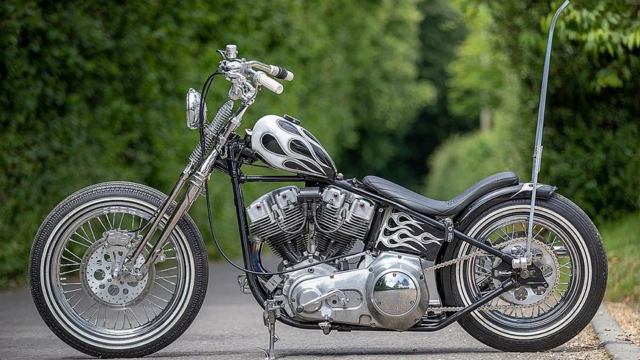
Hard Starting Motor Tips


Thread Starter
|
Banned
Joined: May 2005
Posts: 14,496
Likes: 156
From:
 Hard Starting Motor Tips
Big-inch, high-compression motorcycle engines can be a bear to start. They fire off when they spin, but getting them to turn over can be taxing on motorcycle parts like starters and electrics. There are a few things you can do to make life easier on your starting system, some mechanical, some electrical. First you need to determine if the slow cranking is mechanical or electrical in nature. We like to do a cranking compression check with the throttle open. High performance motorcycle engines will read about 180psi, more than that suggests too mild a cam for the compression ratio. Installing a cam with more overlap will help this. Altering the degree on your cam can also help, this requires special timing tools and is usually a motorcycle parts shop job.
If your cranking compression is within reason, other mechanical causes for slow cranking could be a worn or binding starter or drive, melted stator dragging on the rotor, hydraulic lifter bleed down, seized piston, or oil/gas sumped motor. In addition, high viscosity oils run at lower temperatures will cause sluggish cranking. We run 50 or 60w oils in the heat of summer, but when morning temps dip into the 50's we switch back to 20/50w and it makes a world of difference in the way the motorcycle engines start and warm up.
Electrical causes are common too, so an amp draw check on the starter is in order. A weak battery, corroded or undersize battery cables, poor wiring connections, or inadequate ignition timing will cause problems. Some very large motorcycle engines require a special advance curve with more ignition retard at the beginning to keep them from kicking back and spewing the starter gears.
I like to separate my lighting circuit so they are off when the motorcycle is starting so there is less draw on the battery. On race bikes you can also re-wire the handlebar kill switch so that the engine will crank with the ignition off, then flick the switch on once the engine is spinning. This is also helpful in service applications. I like to put my hand on battery cables after cranking the motorcycle engine for a few seconds and check for heat. If the wires get very warm, they may have internal resistance or be too small for the amount of current in them. A second ground cable from the battery directly to the starter can help many times, but heavy duty cables like the Fisher setups are the best. On large motors, S&S recommends leaving the throttle closed until the engine fires, it makes most enrichener systems function better and because it admits less air, it reduces cranking compression.
For extra-stubborn cases, you can install compression releases. On motorcycle engines with dual plug machining like Rev-Tech or the new S&S TC88 heads it's easy, but on earlier or stock engines it requires dis-assembly and machining an extra plug hole in the heads.
Source: S&S.com
If your cranking compression is within reason, other mechanical causes for slow cranking could be a worn or binding starter or drive, melted stator dragging on the rotor, hydraulic lifter bleed down, seized piston, or oil/gas sumped motor. In addition, high viscosity oils run at lower temperatures will cause sluggish cranking. We run 50 or 60w oils in the heat of summer, but when morning temps dip into the 50's we switch back to 20/50w and it makes a world of difference in the way the motorcycle engines start and warm up.
Electrical causes are common too, so an amp draw check on the starter is in order. A weak battery, corroded or undersize battery cables, poor wiring connections, or inadequate ignition timing will cause problems. Some very large motorcycle engines require a special advance curve with more ignition retard at the beginning to keep them from kicking back and spewing the starter gears.
I like to separate my lighting circuit so they are off when the motorcycle is starting so there is less draw on the battery. On race bikes you can also re-wire the handlebar kill switch so that the engine will crank with the ignition off, then flick the switch on once the engine is spinning. This is also helpful in service applications. I like to put my hand on battery cables after cranking the motorcycle engine for a few seconds and check for heat. If the wires get very warm, they may have internal resistance or be too small for the amount of current in them. A second ground cable from the battery directly to the starter can help many times, but heavy duty cables like the Fisher setups are the best. On large motors, S&S recommends leaving the throttle closed until the engine fires, it makes most enrichener systems function better and because it admits less air, it reduces cranking compression.
For extra-stubborn cases, you can install compression releases. On motorcycle engines with dual plug machining like Rev-Tech or the new S&S TC88 heads it's easy, but on earlier or stock engines it requires dis-assembly and machining an extra plug hole in the heads.
Source: S&S.com

Thread
Thread Starter
Forum
Replies
Last Post
chrismonem@gmail.com
General Harley Davidson Chat
4
Apr 20, 2013 03:57 PM