When you click on links to various merchants on this site and make a purchase, this can result in this site earning a commission. Affiliate programs and affiliations include, but are not limited to, the eBay Partner Network.
The pics and info are for my Dyna, so different models will vary.
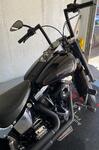
The second pic is just a stolen pic from ebay for reference.
The third pic shows the locations of the "threaded bolts" (yellow circles) and where a dab (gob) of sealer is applied after the bolts are installed (for the chain tensioner and for my dyna the thru shifter shaft sleeve retainer bolt). That is how the factory did it originally. Rarely those leak and don't usually need attention. One of mine did but as mentioned, it was easy to scrape off the old, clean with a wire brush and brake clean, and then reapply without removing the inner primary.
The red circles show locations where new silicone sealant needs to be applied when you actually reinstall the inner primary. The red locations are where the inner primary uses "thru bolts" to the engine and inner primary to transmission thru bolts attach. Those will leak if you don't use sealer that surrounds the thru holes.
Some will say you don't need it, and some will say to put the silicone on the actual bolts. Don't do it. Apply it just like the red circles. That is how it was done from the factory. I like to use the right stuff silicone sealer. Again, no sealer to the actual bolts.
Had my inner primary on and off 4 or 5 times, and never had a leak from those locations using the sealer the way I described.
The first pic below is a pic of the actual O-ring. The blue stuff is not silicone sealer. It is hylomar. I apply that to the engine side of the O-ring surface and on the inner primary side. I put that chit on everything. I don't actually put it on the O-ring, just the surfaces that the O-ring contacts. Hylomar is a great gasket and O-ring dressing that actually improves sealing and never sets up like a silicone sealer.
I did this job a few years ago. The FSM instructions are very good in regards to sealing up the primary and all the bolts so read up on it. There isn't much oil in the primary and if it's truly leaking it doesn't take long to go dry. Pull your primary chain inspection cover and see what the level of oil is. The chain should just be in the bath. If it's not low, could be the primary isn't the leaking point.
One pain in the *** to remove is the starter motor. The two Allen bolts are super tight and it's hard to get enough leverage after reaching all the way through there to get enough mojo on them to loosen. I bought a real long socket ball driver (I think it's 3/8") and used two extensions hooked up to my impact wrench. With the torque setting as low as it would go, it came out easily. It was nice to have the ball driver at an angle to the bolt; made it easier.
After everything is apart, check your mating surfaces for gasket bits and little nibs of metal like maybe some spilled over chrome or something. I buff them with a buffing wheel in a die grinder. If necessary I touch any nibs with a fine file.
Don't forget to disconnect the battery first thing. And lastly, the long jackshaft screw breaks really easy so don't go Godzilla on it.
i had the same problem mine was leaking there and the inner main seal.. was going to tackle it but
local indy gave me a really good deal on labor.. i bought the seal kit and he did the labor for 300
to me it was well worth it , i do all most all the work to my bike i just didnt have the time, and supporting my local indy is good also
in case i need something down the line
I used the factory inner primary seal. The seal tells you which side faces out. It is an unusual looking seal and has the spring on both sides of the seal, Normally spring on seal goes towards the wet side but like I mention, it has two springs so the seal says "oil side". Once the inner primary is removed, you will need at least a new inner primary bearing seal and the large O-ring. Use a new double lip starter jackshaft seal. Can re-use the long starter bolt but clean the threads, use blue loctite, don't over torque it and use a new jackshaft seal/washer as mentioned #19 in the diagram posted earlier.
You will need a way to lock the clutch and compensator so you can remove them. A locking bar is the best and cheapest tool to make. As mentioned the nut for the clutch is reverse thread. A breaker bar is a big help for the compensator nut. Comp nut is 1-1/2 inch, clutch is 1-3/16.
When installing the inner primary, dry fit it without the silicone and new inner primary seal installed so you can get a feel for how it goes on. I use two old bolts that are longer than the factory bolts and with the hex head cut off as guide pins to slide the inner primary on using the homemade guide pins. The guide pins help you align the inner primary and help avoid smudging up the wet silicone sealer. Once the inner primary is properly placed in its location, install a couple of the factory bolts hand tight, and simply unscrew the headless guide pins/bolts. Then follow the torque procedure.
Tape the mainshaft splines and lube the seal and taped surface when installing to prevent the splines from cutting your new inner primary seal.
Follow the manual along for the disassembly and assembly. Pay attention on which bolts came out from which locations and keep track of where they came from. I have one inner primary to trans bolt that is a 1/4" longer than the other two. Easy to mix it up. The metal locking tabs for the bolt heads can be re-used a few times so no worries there.
The "might as well" potential is high with inner primary removal.
Potential might as wells: New inner primary bearing and seal, new inner primary race, new belt, new upgraded front pulley, new large 5th gear seal, quad seal and spacer, new pulley nut. To perform the upgrade it requires a larger spacer, larger main seal and new pulley. You will need a way to remove and install that pully nut, it can be a mother trucker.
Another might as well is the shifter shaft seal...
If you change out everything down to the quad seal, then you will need the deep sprocket/pulley nut socket, and a way to remove and replace the IPB race, as well as a way to lock the rear wheel/transmission in order to remove the sprocket pulley nut. Personally, I pull the trans top cover, shift drum and forks, and lock the gears in the trans. The sprocket/pulley nut is reverse thread.
Or just change the large O-ring and IPB seal. Your call, however, do lots of reading and homework so you will feel confident in tackling the job. It's not hard, just time consuming and requires some specialty tools. Order the parts ahead of time. I would stick with factory parts for seals and spacer. Could use an new andrews pulley but might as well just stick with factory stuff.
That's all I can think of for now...It does require and investment in tools if you go "all the way".
Mchad , should you decide to go all the way as described above. I`ll loan you the pulley nut socket if you cover the shipping
That would be great, I’ll definitly take you up on that. I’ve got a shop press and I figure if I’m going to pull it off I’m going to change everything.
It’s only the occasional drip, in fact I put a shop towel under it after wiping up the last drip and nothing for two days so far. Seems to happen after riding. Anyway, it’s not urgent and I’m probably going to tackle my 124 jugs for my Road King first, but when I am ready to go, you’re on.
Really appreciate the offer and all the info from everyone.
Slideshow: Jason Momoa's latest restoration project blends 1920s Harley-Davidsons with modern electric technology, creating some of the most unusual hybrid motorcycles ever built.
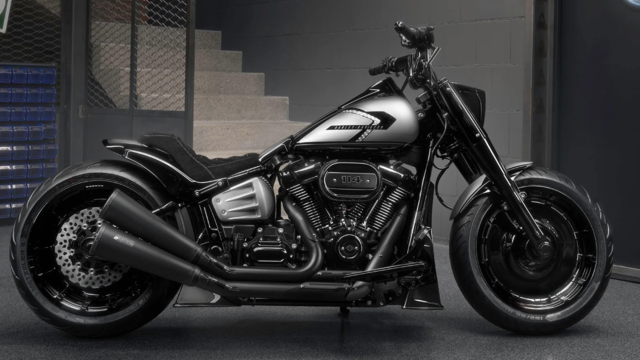
Harley-Davidson Fat Boy Becomes a Dark, Decepticon-Inspired Custom
Slideshow: Killer Custom's latest build relies on styling changes rather than performance upgrades, giving the cruiser an entirely different personality.
7 Surprising Harley-Davidson Products that Are Not Motorcycles
Slideshow: The bar-and-shield logo shows up on far more than motorcycles, some of the company's most unexpected products have nothing to do with riding.
Slideshow: From the troubled AMF years to modern misfires, these bikes earned reputations for reliability issues, questionable engineering, or disappointing performance.
Crazy Bunderbike Build Looks Amazing, But Is It Impossible to Ride?
Slideshow: The Swiss custom shop has taken a Harley Softail and stretched it into something so long and low that it looks closer to a rolling sculpture than a conventional motorcycle.