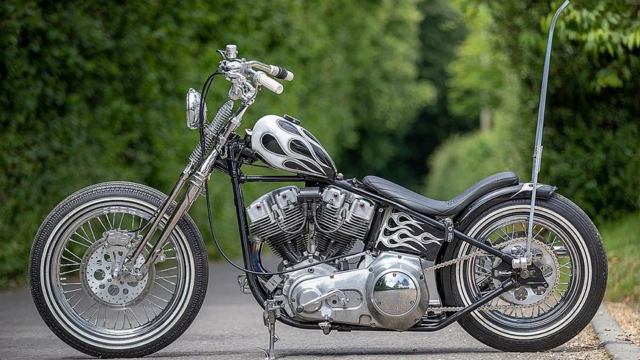

Coker Vintage 'Style' Tires?

Road Master
Joined: Sep 2021
Posts: 759
Likes: 936
From: Under the affluence of incahol.

Last edited by PeterB; Dec 4, 2022 at 05:11 PM.

Seasoned HDF Member

Joined: Apr 2010
Posts: 9,524
Likes: 7,861
From: Long Island, New York
My understanding is that Coker is using the old molds so the tires look period correct, but with a modern rubber compound. Due to the modern compounds those of us using them need to experiment with tire pressures. The old Service Manual recommendations are too low for the Cokers. But 34 PSI is too much. It takes some time to dial them in. I run 22 PSI solo, 24 PSI packed heavy. Seems to work just fine and provides a smooth ride.
Still a compromise for a touring bike, but if you are going for a certain look, I get it.
I had Shinko double thin white walls on my 1970 Shovel, dead ringers for Goodyear Speed grips. But for a bike that can do 70 MPH all day long, they were absolutely miserable tires. Bad handling in turns and death wobble at highway speeds. Caught every groove and tar snake in the road. Yanked them after one season and went to Dunlop American Elites with a single thin white wall, great tire and 10' away correct look.
As stated, I run the Cokers on n antique bike, but at 55 MPH and my bike even loaded up is still probably 300#'s less than your King.
All things to consider. Going to Coker and talking to them direct is an excellent idea. The good news is the tires are pretty cheap, if they do not withstand your riding habits, take them back off.
Please report back, curious to see how it works out.
Still a compromise for a touring bike, but if you are going for a certain look, I get it.
I had Shinko double thin white walls on my 1970 Shovel, dead ringers for Goodyear Speed grips. But for a bike that can do 70 MPH all day long, they were absolutely miserable tires. Bad handling in turns and death wobble at highway speeds. Caught every groove and tar snake in the road. Yanked them after one season and went to Dunlop American Elites with a single thin white wall, great tire and 10' away correct look.
As stated, I run the Cokers on n antique bike, but at 55 MPH and my bike even loaded up is still probably 300#'s less than your King.
All things to consider. Going to Coker and talking to them direct is an excellent idea. The good news is the tires are pretty cheap, if they do not withstand your riding habits, take them back off.
Please report back, curious to see how it works out.


Seasoned HDF Member


Joined: Jun 2015
Posts: 8,054
Likes: 8,080
From: Canada
New versions of an old tire dont use the old techniques and compounds (they're not allowed), just the moulds or new moulds that are a little different. Doesn't mean its a great tire, just saying they are better than the originals. I buy vintage tires for car restorations regularly and noticed the plys and materials for those plys was different than an original tire after reading the sidewall of one I had here from the 1970's. I noticed bead design changes as well so I weighed the modern version and an original. The original car tire was 7lbs heavier than the modern vintage tire. 7 lbs difference on a tire that looked the same and was the same size! I asked the manufacturer about the compounds and his answer was that they cant use old compounds because of government regulations. Something I had never considered is where does the rubber go that wears off our tires over time? It goes in the ditch then into the ground which then gets into the water. New compounds are more friendly as they wear out and are government regulated.

Road Warrior


Joined: Nov 2014
Posts: 1,409
Likes: 812
From: Middle America
I’ve always wanted vintage looking tires for my XL1200X, but everyone seems to say Shinkos, Coker’s, etc. really are more for looks and not performance, which is a bummer.
I looked in to Hoosier tires maybe 6 months ago, and the only tires they make specifically for bikes are for flat track racing.
I looked in to Hoosier tires maybe 6 months ago, and the only tires they make specifically for bikes are for flat track racing.


Thread
Thread Starter
Forum
Replies
Last Post