When you click on links to various merchants on this site and make a purchase, this can result in this site earning a commission. Affiliate programs and affiliations include, but are not limited to, the eBay Partner Network.
I cannot speak for the large size plate mounts for the wide fenders. My installation was the standard 3-hole, small size. Our bikes are a 19 and a 21 - both Heritage.
Those of you who have done this, know. I am sharing this information for those that are considering it. Don't get me wrong, the final product looks awesome, but it IS a bit of work and you will need some tools and a lot of patience. Children should not be in the area because there may be some foul language spoken.
First of all, if you want a true all-metal mount that lays completely down and isn't some cheap Amazon or eBay product this is the only one I could find. The frame and the base are solid and are great quality. The engineering is lacking on the tail end of the job. Stay with me. The reviews you'll read on the vender websites say all the same basic things and it's all true.
Start off by removing the stock frame. The screws are tight so you will probably need to remove the nuts from under the fender to get it loose. If you do not have small hands & arms you will need to jack up the bike to give you more room under there.
Next, measure three times (at least) and cut once. Measure first the short side since you begin cutting your plate the long way. The width of the mount is your maximum measurement. Then the inside opening of the frame which is your minimum measurement. You'll have about 1/4" inch room for error. Tip: I found that using a very small tape measure or a flexible one for sewing works best. You'll need sharp heavy-duty scissors or snips. Begin cutting. Go slow. Bend the metal away from your cut so it stays out of the way. Your plate will bend and ripple a bit. That's ok but try to keep it flat and straight. Measure again and cut other long side. I can only speak for PA plates but hopefully yours is the same and you'll be cutting on the flat part of the plate - just onside the perimeter lip.
At this point I laid the plate face down on a towel and gently hammered out the ripples of the plate. It doesn't have to be perfect since much of the actual edge will be covered by the frame. HOWEVER your plate needs to fit between the mount and the frame and that space needs to be as tight as possible. Now bend the plate with the mount radius. It should be fairly easy to do. Measure the long side since you begin cutting your plate the short side. The length of the mount is your maximum measurement. The inside opening of the frame is your minimum measurement. Begin cutting. Go slow.
Same as before, hammer out your plate to smooth out the ripples. I used a Dremel to remove the shards. "Dry-fit" your plate using the frame and the mount. Yes, the frame fits snug against the mount without the plate. But now sandwiching your plate in there, it has all changed right? This is where a smooth, straight edge and a nice radius is critical. Next you will need to cut out the corners near your existing plate holes. The frame will cover but it will be close. Be careful.
Before you go any further, fit just the mount on your bike. On both of our bikes I had make the fender bottom holes bigger on the inside of the triangle since the mount bolts seem to be facing each other slightly. ie: Not parallel. It's ok if the holes are a little big. Hopefully just oval since the lock-nuts will easily hold it in place once tight. You might 1/32" on each side.
Now comes the not-so-fun part. The machine screws to attach the frame to the mount are extremely small and there is no tool included. You will need a very small allen wrench. If you do not have one, go buy a set. A very small screwdriver that might fit will not give you enough torque to get the screws tight enough. One the first one, I thought I was good until I realized I actually had a small allen wrench and got another quarter turn. Fit your plate and the frame to the mount. Screw in the short side first. Again, the screws are small and not deep and will easily strip. Be sure you going in straight! The second side is much harder. Keep checking to be sure your plate is staying straight. Now, you'll need to "snap in" the mount to the frame. I used vice grips with a towel so I didn't scratch the frame to hold everything in place so I could get the screw in. There is a lot of pressure going on. I got lucky on the first installation. However, I stripped one screw on the second installation. Luckily, I found a small electronic device around the house and used a small screw from that. The threads fit but it was too long and stuck out. I got quite a few turns in, so I think it will be alright. It barely cleared the fender.
The last part is not as bad as you might think. It will take quite a few turns of the nuts to get it tight to the fender.
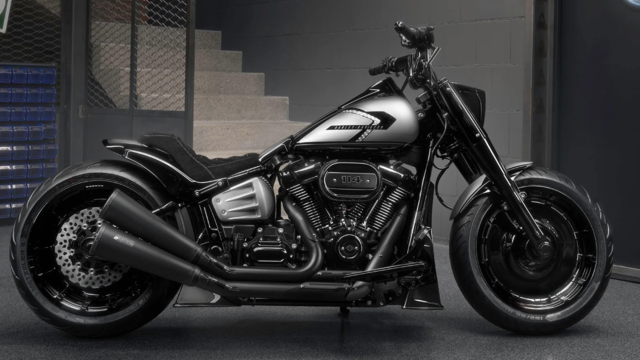
Harley-Davidson Fat Boy Becomes a Dark, Decepticon-Inspired Custom
Slideshow: Killer Custom's latest build relies on styling changes rather than performance upgrades, giving the cruiser an entirely different personality.
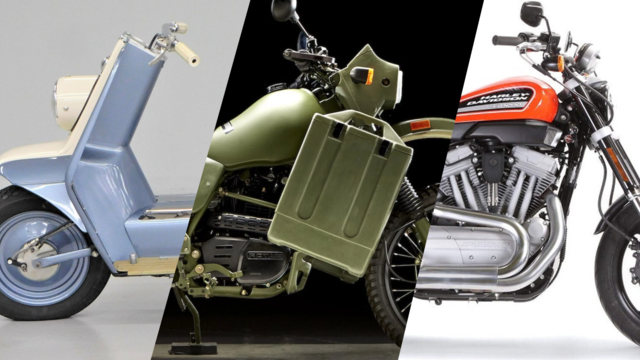
7 Surprising Harley-Davidson Products that Are Not Motorcycles
Slideshow: The bar-and-shield logo shows up on far more than motorcycles, some of the company's most unexpected products have nothing to do with riding.
Slideshow: From the troubled AMF years to modern misfires, these bikes earned reputations for reliability issues, questionable engineering, or disappointing performance.
Crazy Bunderbike Build Looks Amazing, But Is It Impossible to Ride?
Slideshow: The Swiss custom shop has taken a Harley Softail and stretched it into something so long and low that it looks closer to a rolling sculpture than a conventional motorcycle.
Engraved Rebellion: Inside Bundnerbike's Glam Rock II
Slideshow: A standard cruiser becomes an intricate metal canvas in the hands of a Swiss custom house known for pushing Harley-Davidson platforms far beyond their factory brief.




 Drag Specialties Lay Down Plate