When you click on links to various merchants on this site and make a purchase, this can result in this site earning a commission. Affiliate programs and affiliations include, but are not limited to, the eBay Partner Network.
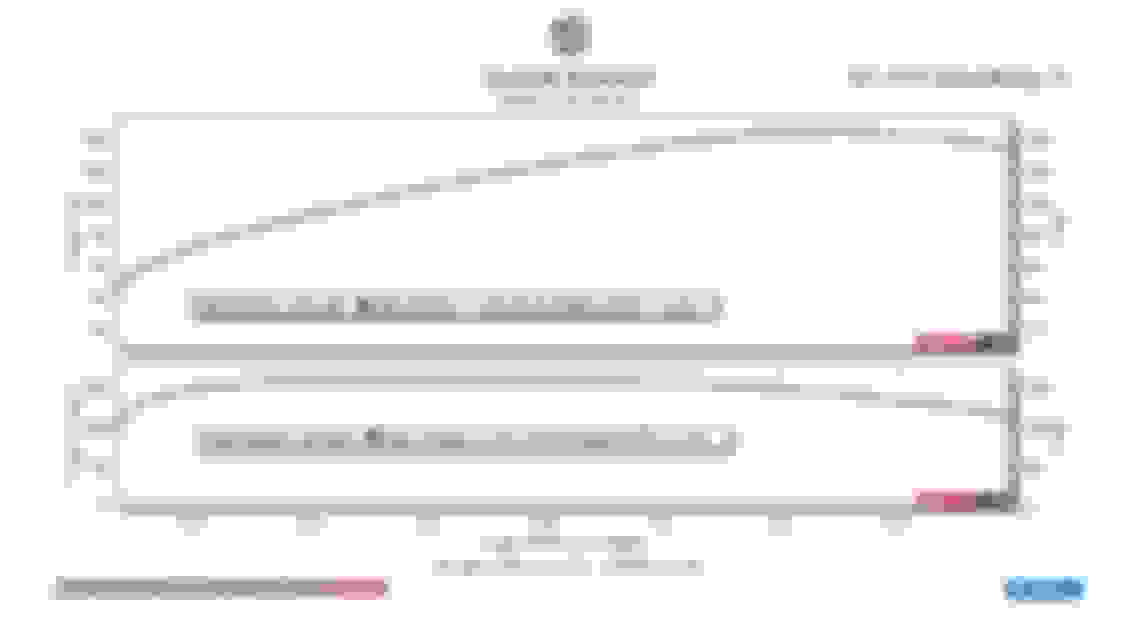
I get what you're saying, but this is the way I look at it: There is a mathematical relationship between HP and TQ, I'm sorry if you don't like that. You can construct any whacky chart you want, but my point always been is strange to do that and makes them difficult to compare. I don't understand why tuners construct charts that way, but whatever.
I don't think that you do, but I won't give up on you. Some times it takes a village.
So again, I'm not saying the numbers are inaccurate, all I've said, all along, is that its strange to make a chart that way, and makes it difficult to compare with the 99.98% of charts that show the lines crossing a5 5252.
So again, I'm not saying the numbers are inaccurate, all I've said, all along, is that its strange to make a chart that way, and makes it difficult to compare with the 99.98% of charts that show the lines crossing a5 5252.
Oh don't kid yourself. You were lost in the sauce. You were talking about Scales not matching. Enough people were trying to tell you it was about Units of Measure and the scales were fine.
Originally Posted by Keithhu
Has exactly zero to do with the HP/TQ measurement units (ft lbs vs nms). RPMs are RPMs. They dont cross at 5252 because the left and right vertical scales are different. To me it's mystifying to me why anyone would configure a chart that way.
That said. Yeah, it does make it hard to compare to many other Dyno Charts - but we'll live. Sorry we all wasted our time trying to tell you WHY it was pictured like that.
Maybe if you just once mentioned that you understood the relationship between NM and TQ some of us wouldn't have felt the need to write a book and waste your time.
Basically the only thing any of us got for our effort in educating you was some snarky backhanded comments - which is your typical thing. You just didn't understand - "got it". "I'm sorry if you don't like that."
Oh don't kid yourself. You were lost in the sauce. You were talking about Scales not matching. Enough people were trying to tell you it was about Units of Measure and the scales were fine.
That said. Yeah, it does make it hard to compare to many other Dyno Charts - but we'll live. Sorry we all wasted our time trying to tell you WHY it was pictured like that.
Maybe if you just once mentioned that you understood the relationship between NM and TQ some of us wouldn't have felt the need to write a book and waste your time.
Basically the only thing any of us got for our effort in educating you was some snarky backhanded comments - which is your typical thing. You just didn't understand - "got it". "I'm sorry if you don't like that."
I'll just say this - the chart he posted of inches and centimeters proved my point. That chart actually has 2 different vertical scales. Why isn't it labeled with a unit of measurement? Because it changes depending on whether you are looking at the inch line or the centimeter line. A horizontal or vertical axis only can only have 1 unit of measurement. Just because you put numbers on a scale doesnt mean they represent the same thing.
Just because you put numbers on a scale doesnt mean they represent the same thing.
Clearly. CLEARLY. Sometimes the scale is numerically the same (0-1000) but one value is in NM rather than FT-Pounds and yet they both use the same number system to represent a value.
In that case, you don't need to change the scale, you need to change the unit of measure. Kinda like fractions - gotta get down to that least common denominator.
Clearly. CLEARLY. Sometimes the scale is numerically the same (0-1000) but one value is in NM rather than FT-Pounds and yet they both use the same number system to represent a value.
In that case, you don't need to change the scale, you need to change the unit of measure. Kinda like fractions - gotta get down to that least common denominator.
Anyway, been fun. Out here.
Should be extremely obvious really if you just think about it, otherwise a dyno chart wouldn't work at all since you have two graphs of different units of measurement in the same chart. If the vertical axis on a dyno chart featured a defined unit of measurement, you couldn't put both hp and torque readings on the chart. For example: If the vertical axis was defined as numbers of hp, you couldn't put your torque graph on that chart since hp is not a unit of measurement for torque. The only way to put both graphs on the same chart if if the vertical axis is an undefined numerical value, that way you can put the numerical digits of both HP and torque readings in the chart and instead specify the unit of measurement for the graphs themselves. Both are measured at a certain RPM which is why it's ok for the horizontal axis to refer to the RPM range you measure across. But since the readings will be entered as numbers, the look of the graph will depend on what unit of measurement you use. If you measure power in hp and get a reading of 100hp @4000rpm, you put down a mark at 100 vertical height over the 4000 on your horisontal axis in your graph. If power is measured using KW, you would instead put a mark at 74 vertical height over the 4000 on the horizontal axis, because 100hp is roughly equal to 74kw. It's still the same reading, still the same amount of power, but the height of the grapch will differ because the units of measurement aren't equal to one another.
I'll just say this - the chart he posted of inches and centimeters proved my point. That chart actually has 2 different vertical scales. Why isn't it labeled with a unit of measurement? Because it changes depending on whether you are looking at the inch line or the centimeter line. A horizontal or vertical axis only can only have 1 unit of measurement. Just because you put numbers on a scale doesnt mean they represent the same thing.
No, it proved my point. It has one vertical scale only, a number without unit of measurement. The reason why it hasn't got a unit of measurement is because then you couldn't enter several readings of different units of measurement in the same graph, EXACTLY like in the case of the dyno chart. They have a vertical scale featuring numerical digits with no defined unit of measurement, because you want to put both the torque and hp readings in the chart. Something you can't do if the vertical scale has a defined unit of measurement, because then you could only put readings using this unit of measurement into the chart.
7 Surprising Harley-Davidson Products that Are Not Motorcycles
Slideshow: The bar-and-shield logo shows up on far more than motorcycles, some of the company's most unexpected products have nothing to do with riding.
Slideshow: From the troubled AMF years to modern misfires, these bikes earned reputations for reliability issues, questionable engineering, or disappointing performance.
Crazy Bunderbike Build Looks Amazing, But Is It Impossible to Ride?
Slideshow: The Swiss custom shop has taken a Harley Softail and stretched it into something so long and low that it looks closer to a rolling sculpture than a conventional motorcycle.
Engraved Rebellion: Inside Bundnerbike's Glam Rock II
Slideshow: A standard cruiser becomes an intricate metal canvas in the hands of a Swiss custom house known for pushing Harley-Davidson platforms far beyond their factory brief.