





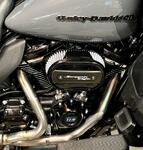



Tappet cuff bolts

Club Member


Joined: Mar 2009
Posts: 66,126
Likes: 51,455
From: Niles Canyon Ca.

All the cool tools listed, like that Amazon gizmo, and this and that, we know or read them, but wouldn’t a simple soldering iron work as well for the low budget folks? The one offs? No need to invest in a fancy smancy tool one may never use again?
Theres so much information out there I am surprised folks still have issues…regardless, keep on posting up Harley stuff. As hilarious as the political stuff is, or off topic, I really enjoy seeing folks make their Harley theirs. What the forum really is about, no?
Theres so much information out there I am surprised folks still have issues…regardless, keep on posting up Harley stuff. As hilarious as the political stuff is, or off topic, I really enjoy seeing folks make their Harley theirs. What the forum really is about, no?
Last edited by TwiZted Biker; Jun 11, 2023 at 11:11 PM.

Club Member

Joined: Apr 2016
Posts: 11,590
Likes: 8,418
From: Inland NW

Thats exactly what my friend who is the service and parts director at my old dealer (a good dealer with smart management and staff who aren’t just parts swapping monkeys) said when I broke the head off a lower rocker cover bolt doing my 124 build. He said the thread locker the factory uses can be too aggressive, but it just needs to be worked back and forth slowly as you turn it out. Luckily I had enough to get vice grips on the head and got it out without having to have a machine shop take over…
same damn bolt…
same damn bolt…
I have done 3 sets of these, now, (and 1000s of more stubborn engine fasteners in aluminum in a long career) and I did 2 with no heat, and 1 with heat. Like I mentioned in my previous post, the heat definitely helps spin them out easier.
I have developed a feel for fastener yield, having learned the hard way as a young wrench, too many damn times, and I tend to think that anybody can do it, if they are careful enough.
Club Member
Joined: Mar 2009
Posts: 66,126
Likes: 51,455
From: Niles Canyon Ca.
Yeah, I remember that happening to you. Sucks. You are right, and any damn thing can, and will happen, so I will watch what I post.
I have done 3 sets of these, now, (and 1000s of more stubborn engine fasteners in aluminum in a long career) and I did 2 with no heat, and 1 with heat. Like I mentioned in my previous post, the heat definitely helps spin them out easier.
I have developed a feel for fastener yield, having learned the hard way as a young wrench, too many damn times, and I tend to think that anybody can do it, if they are careful enough.
I have done 3 sets of these, now, (and 1000s of more stubborn engine fasteners in aluminum in a long career) and I did 2 with no heat, and 1 with heat. Like I mentioned in my previous post, the heat definitely helps spin them out easier.
I have developed a feel for fastener yield, having learned the hard way as a young wrench, too many damn times, and I tend to think that anybody can do it, if they are careful enough.
Was weeks cleaning that mess up.

Advanced
Joined: Apr 2022
Posts: 95
Likes: 164
From: Salem Oregon
I have had some experience using soldering irons to solder over the years, but when trying to solder to a larger metal mass, soldering iron tip heat is "sinked" away from the area you are trying to solder, because you have to touch the tip to the metal mass. I don't think a soldering iron will work in this case. JMO as I have not tried this...

Thread Starter
|
Cruiser

Joined: Oct 2021
Posts: 233
Likes: 140
From: California
Installing my cam today. Glad to report I removed the tappet cuffs without a problem.
The rear came out really easy. I started feeling some resistance on the front one about half way out. I soaked it with kroll oil and let it sit for a half hour or so. It then came right out. I did not have to use any heat.
Even though I have decades of experience tapping small holes in tough materials and have a good feel for this sort of thing, I appreciate the heads up on the potential problems with these bolts.
The rear came out really easy. I started feeling some resistance on the front one about half way out. I soaked it with kroll oil and let it sit for a half hour or so. It then came right out. I did not have to use any heat.
Even though I have decades of experience tapping small holes in tough materials and have a good feel for this sort of thing, I appreciate the heads up on the potential problems with these bolts.

Grand HDF Member

Joined: Aug 2020
Posts: 4,798
Likes: 5,889
From: Knoxville
That is my thinking, it’s a small bolt, you want the bolt to warm up, not the case/cover. No?
Advanced
Joined: Apr 2022
Posts: 95
Likes: 164
From: Salem Oregon
HD Forum Stories
The Best of Harley-Davidson for Lifelong Riders

7 Surprising Harley-Davidson Products that Are Not Motorcycles
Verdad Gallardo
8 Best Harley-Davidson Motorcycles Ever
Pouria Savadkouei
10 Worst Harley-Davidson Motorcycles Ever
Pouria Savadkouei
Killer Custom's Jail Break Is The Breakout That Refused to Blend In
Verdad Gallardo
Crazy Bunderbike Build Looks Amazing, But Is It Impossible to Ride?
Verdad Gallardo
Harley-Davidson Reveals Super Cool Cafe Racer Concept
Verdad Gallardo
Engraved Rebellion: Inside Bundnerbike's Glam Rock II
Verdad Gallardo
10 Motorcycles You Should Never Buy
Joe Kucinski
10 Things Harley-Davidson Needs to Fix in 2026
Verdad Gallardo
Stellar HDF Member


Joined: May 2006
Posts: 2,809
Likes: 4,209
From: NC
Same here. Good to know someone with more experience than me arrived at the same place.

Thread
Thread Starter
Forum
Replies
Last Post
AdrianVall
Dyna Glide Models
8
Mar 19, 2009 07:14 PM