When you click on links to various merchants on this site and make a purchase, this can result in this site earning a commission. Affiliate programs and affiliations include, but are not limited to, the eBay Partner Network.
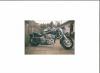
1948 panhead vs later panhead Like to know the differences
Hi, just interested In knowing what makes up a early 48 Pan vs later
I know the frames are different. I know there's stuff different on the engine. Obviously front end. It Would be Nice have list of All the differences between the 48 than later models, And the list of stuff that is only pacific to 48. like to look over my bike and make sure it's 100% correct
One thing that's 48 specific is the springer front / panhead engine combination but there are a lot of things in common with a 47 and a 49 as well. The rear fender is 48 specific, chrome steel valve covers and no intake valve oilers. The timer is from a knuckle but maybe later in 48 it changed. The intake manifold is fabricated steel not cast. The cam cover changed throughout the 48 run regarding the unused oil hole that came from the knuckle, the oil pump had a running change in 48 to the cover and how the oil was controlled.
Show us more pics of your bike and we can point out things that may not be correct.
If you dont have Palmers book you should get it, it'll tell you a lot about your bike and others.
Engine-wise there were numerous running changes from top to bottom literally. Solid lifters to hydraulic, aluminum lifter blocks to iron, plumbers intake to o-ring, inside oiling to outside, single points to dual points and back, steel to aluminum valve covers, engine case changes, crank changes and so on.
Great looking bike with period mods and lots of chrome, looks like an honest bike on the surface but would require closer inspection.
Exhaust y-pipe is aftermarket but the headpipe clamps are correct, Need pics of the muffler tip and underside seam of the muffler as well as the length from rib to rib. The patent decal should only be on the left side and I suspect that tank was replaced and the decals weren't cleared over so they peel off fast and look old. Cam cover is a late 48 which goes with your vin, hollywood bars are cool. Plating is wrong on some hardware, most of it should be parkerized with the exception of some engine hardware. The head bolts came both ways depending on when it was in production. Missing the washer under the dash cover bolt. Speedo cable is correct. Check lifter blocks with a magnet, should be aluminum.
Front fender light should say guide PH-6 on the left side.
Being a late 48 the license plate bracket should be riveted on with guide markings facing the front of the bike and no markings on the tail light housing itself.
Gas caps look correct, too bad about the dent. Primary cover looks too nice to be original vs the worn out pedal rubbers plus they usually have damage from wiping out. A closeup of the diamond shape with the two hole inspection plate removed showing the spot welds will tell the story there.
What we cant see are forging numbers which will tell you how real your bike is. If you take pics of both sides of the neck, both rear axle clips and the one on the springer fork just below the spring seats that will help a lot. Close up of the fender brace rivets near the axles. Also a pic of the under side of the heads by the pushrods, casting numbers on the cylinder bases, one will have no number in 48. Number stamped on the top of the carb, easily seen if you look closely. Date on the bottom of the transmission and the vent plug on top beside the kicker cover.
Original Harley-Davidson Panhead (Original Series) by Greg Field.
Books are the only way to go whenever you are authenticating your motorcycle.
The reason that this book is so expensive is because of the information it contains.
The main thing great about your bike is its 75 years old and still riding free. That’s great. I’d rather have that, then that perfectly preserved ’56 that will never see asphalt again.
I’m always amazed at how knowledgeable some on HDFORUMS are about vintage Harleys. Kudos to them.
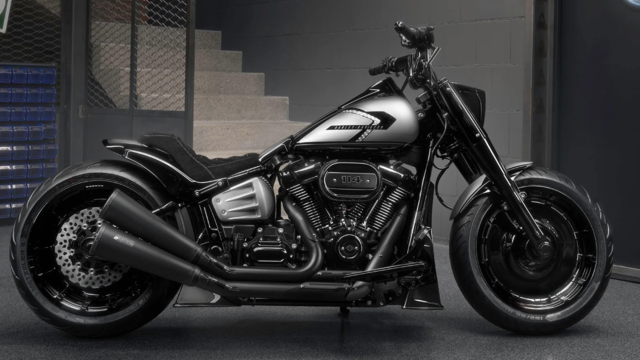
Harley-Davidson Fat Boy Becomes a Dark, Decepticon-Inspired Custom
Slideshow: Killer Custom's latest build relies on styling changes rather than performance upgrades, giving the cruiser an entirely different personality.
7 Surprising Harley-Davidson Products that Are Not Motorcycles
Slideshow: The bar-and-shield logo shows up on far more than motorcycles, some of the company's most unexpected products have nothing to do with riding.
Slideshow: From the troubled AMF years to modern misfires, these bikes earned reputations for reliability issues, questionable engineering, or disappointing performance.
Crazy Bunderbike Build Looks Amazing, But Is It Impossible to Ride?
Slideshow: The Swiss custom shop has taken a Harley Softail and stretched it into something so long and low that it looks closer to a rolling sculpture than a conventional motorcycle.
Engraved Rebellion: Inside Bundnerbike's Glam Rock II
Slideshow: A standard cruiser becomes an intricate metal canvas in the hands of a Swiss custom house known for pushing Harley-Davidson platforms far beyond their factory brief.






 1948 panhead vs later panhead Like to know the differences