Prepping and painting engine on bike


Thread Starter
|
Novice
Joined: Jan 2015
Posts: 22
Likes: 0
From: Saratoga
 Prepping and painting engine on bike
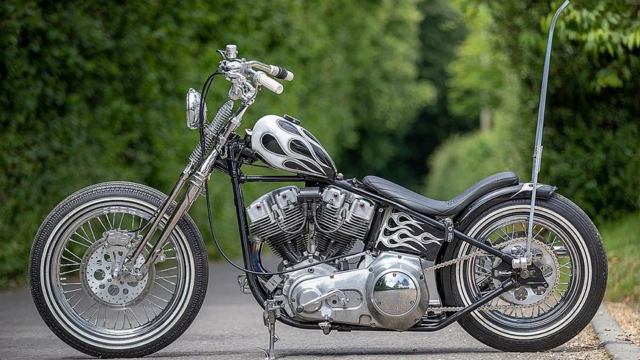
I would like to freshen the paint on my 94 Nostalgia. The paint is flaking in a few spots between the find and on the case. I believe with enough time spent taping of everything I can paint the engine on the bike. I know for many it they would 'simply' just remove the engine, but I am not setup to do that, so that is not an option for me. My questions are these, what have you guys used when prepping the metal? There is slight oxidation of the metal where the paint has flaked. I am thinking I can use a .22 brash rifle cleaning brush to get into the fins and remove any oxidization. I can also use a fine wire brush on the few spots on the case where the paint has flaked. Any ideas on what works?
For primer, I am concerned that the newly bare metal might need a primer to hold the paint properly and not just reflake in 3 months. Is there a tried and true spray can primer?
Then for rattle cans of paint, what works best? I know some have used BBQ paint, but I would rather hear from someone who has used a better product in a spray can, and has had the results last for some years. I think the flat black paint that is still securely attached to the jugs and case will be fine to leave on there and paint over, but again, I am concerned about peeling if disparate paints are used. Anyone have some wisdom they could share on the topic? Thanks!
For primer, I am concerned that the newly bare metal might need a primer to hold the paint properly and not just reflake in 3 months. Is there a tried and true spray can primer?
Then for rattle cans of paint, what works best? I know some have used BBQ paint, but I would rather hear from someone who has used a better product in a spray can, and has had the results last for some years. I think the flat black paint that is still securely attached to the jugs and case will be fine to leave on there and paint over, but again, I am concerned about peeling if disparate paints are used. Anyone have some wisdom they could share on the topic? Thanks!

Seasoned HDF Member


Joined: Jul 2011
Posts: 27,096
Likes: 4,673
From: Frozelandia, Minnysota
If you've got a good air compressor, might think about getting a cheap sandblaster. Can use aluminum oxide grit and not get the pitting/rough look sand does. EVERY opening into the engine has to be sealed off good! I've used heavy aluminum tape for that with good results; just don't direct the spray at an angle that will peel the edges up. Would make it easier if you can pull the gas tank, too. After blasting, I've just wiped down with alcohol or paint thinner and that seemed to be all it needed. Almost impossible to get all the dirt/crud out with brushes, and sooo tedious trying to.
Can't think of brands right now, been a while since I've done an engine; probably some better stuff available now, too. I like satin finish better than flat, seems more durable and cleans easier; I've had good results in the past.
One last thing about sand/grit blasting, you need dry, filtered air. Those cheap blasters clog up real easy without using a filter.
Can't think of brands right now, been a while since I've done an engine; probably some better stuff available now, too. I like satin finish better than flat, seems more durable and cleans easier; I've had good results in the past.
One last thing about sand/grit blasting, you need dry, filtered air. Those cheap blasters clog up real easy without using a filter.
Thread Starter
|
Novice
Joined: Jan 2015
Posts: 22
Likes: 0
From: Saratoga
Thanks Imold. I had considered a sand blaster but I would have to buy the setup, compressor and all, as my current compressor is too small. In the end I think it would be more than I want to get into right now. I would guess that doing all the prep by hand would be somewhat tedious, but I think it would work given enough beer. I also saw a place locally advertising that they do the 'vapor' blasting. The videos make that look like a magical process, but does anyone know if that can be done to an intact engine?

Advanced
Joined: Oct 2014
Posts: 89
Likes: 0
From: WV
Harley sells rattle can engine paint that's textured to match the engine. I've used high temp engine paint from dupli-color and it sprays really well. That's All I use on my project builds, turns out good. I'd use the brush and sand paper down any edges where paint has flaked previously, blow it off then use alcohol or equivalent then paint.
Ultimate HDF Member
Joined: Jul 2014
Posts: 5,649
Likes: 430
From: MASS_hole
Harley sells rattle can engine paint that's textured to match the engine. I've used high temp engine paint from dupli-color and it sprays really well. That's All I use on my project builds, turns out good. I'd use the brush and sand paper down any edges where paint has flaked previously, blow it off then use alcohol or equivalent then paint.
Grand HDF Member


Joined: Apr 2007
Posts: 3,723
Likes: 3,063
From: Brighton, MI
I have used this with great results:
http://www.homedepot.com/p/Rust-Oleu...8502/100645381
It is a great match for older evo's in color and finish. The paint seems to hold up just fine to oil and fuel. Brake cleaner will remove it but you have to rub it pretty hard with the brake clean to get it to come off. Not sure if it is the paint, the heat baking, or the catalyst (below) that gives it the fuel resistance, but it's holding up fine after two season.
I also thinned it with automotive paint enamel reducer (yes, I know rust-oleum says to use acetone). I like mixing the paint on the thin side, it makes it easier to blend new to old. I also added hardener from my local tractor supply:
http://www.tractorsupply.com/tsc/pro...t?cm_vc=-10005
I cleaned up my cylinders and fins with a stainless wire brush and a bore brush to get in between the fins, washed and dried with blow gun, wiped it down with grease and wax remover, taped off as much as I could, and even used an old foam swim noodle toy cut in half length wise, and cut slits in it to push into the fins to keep overspray from getting where I don't want it. This is the biggest issue and most time consuming part of the project. Sealing up, taping, draping, etc. Enamel overspray don't want to come off paint and chrome without a fight.
I used Grandpa's old badger air brush. I really like the control you can get from an air brush and a cheapie can be had for about 20 bucks. Don't rush the job and pick areas or sections that you can "blend in and blend out". The air brush lets you get in tight areas, up close, and has lots of adjustment like pinpoint spray. I think the biggest plus is control. If you put on too much paint, you lose that "grainy look" so just put on enough to cover.
Of course practice first to get the hang of things and get the air brush dialed in.
I like the fact that I can get all the materials locally. You can experiment with the hardener to change the gloss level, just be careful, it don't take much to make things too glossy. I only ad a few drops per ounce of paint.
Let dry overnight, then give it some good heat (ride it!) YD
http://www.homedepot.com/p/Rust-Oleu...8502/100645381
It is a great match for older evo's in color and finish. The paint seems to hold up just fine to oil and fuel. Brake cleaner will remove it but you have to rub it pretty hard with the brake clean to get it to come off. Not sure if it is the paint, the heat baking, or the catalyst (below) that gives it the fuel resistance, but it's holding up fine after two season.
I also thinned it with automotive paint enamel reducer (yes, I know rust-oleum says to use acetone). I like mixing the paint on the thin side, it makes it easier to blend new to old. I also added hardener from my local tractor supply:
http://www.tractorsupply.com/tsc/pro...t?cm_vc=-10005
I cleaned up my cylinders and fins with a stainless wire brush and a bore brush to get in between the fins, washed and dried with blow gun, wiped it down with grease and wax remover, taped off as much as I could, and even used an old foam swim noodle toy cut in half length wise, and cut slits in it to push into the fins to keep overspray from getting where I don't want it. This is the biggest issue and most time consuming part of the project. Sealing up, taping, draping, etc. Enamel overspray don't want to come off paint and chrome without a fight.
I used Grandpa's old badger air brush. I really like the control you can get from an air brush and a cheapie can be had for about 20 bucks. Don't rush the job and pick areas or sections that you can "blend in and blend out". The air brush lets you get in tight areas, up close, and has lots of adjustment like pinpoint spray. I think the biggest plus is control. If you put on too much paint, you lose that "grainy look" so just put on enough to cover.
Of course practice first to get the hang of things and get the air brush dialed in.
I like the fact that I can get all the materials locally. You can experiment with the hardener to change the gloss level, just be careful, it don't take much to make things too glossy. I only ad a few drops per ounce of paint.
Let dry overnight, then give it some good heat (ride it!) YD

Intermediate
Joined: Jan 2016
Posts: 40
Likes: 16
From: so.illinois
Yeah..you can do that
Sure you can paint that motor without pulling it..just takes a huge amount of masking. As mentioned already I think, BrakeKleen aerosol works great for the cleaning process, wax and grease remover from the auto parts store will work with a brush or scuff-pad too. As far as primer, you need to use a zinc-chromate or self-etching primer on bare aluminum to assure good adhesion-most parts stores that have refinish products will have an etching primer in aerosol. Dupli-Color and VHT both have a good spray can enamel that will stand up to engine temps. For really tricky masking problems, grab a roll of aluminum foil. You can form that stuff around nearly anything. Do yourself a favor and invest in a respirator. 30 bucks is cheap insurance. Have fun-good luck. Later..

Thread
Thread Starter
Forum
Replies
Last Post