



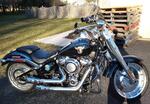
 fatboy


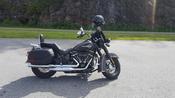
Fatboy - how popular

Thread Starter
|
6th Gear
Joined: Nov 2015
Posts: 12
Likes: 0
From: Canberra, australia
 Fatboy - how popular
Given the latest trend towards blacked out bikes, how popular is the chrome version of the Fatboy these days? Where does it sit in the HD sales numbers sold?
Road Master
Joined: Dec 2013
Posts: 1,238
Likes: 96
From: fort walton beach
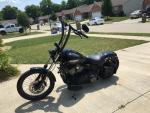
Harley makes its money by selling popular models so buying a fatboy and leaving it alone will leave you looking like everyone else who owns a factory looking fatboy in the past 20 years. The best part of owning a softail is the ability to change it to look how ever you want the more creative the more original. Sure some peoples creative bikes get ridiculed by some but out side the box will get you noticed.

Grand HDF Member


Joined: May 2009
Posts: 4,677
Likes: 141
From: haverhill mass
 fatboy
way back in the day fatboy was hot. my friend wainting 3 years for a 1994 harley fatboy how times have change.. today harley hot bike is the streetglide.. i have a 2010 fatboy lo i still like it

Road Master
Joined: Nov 2007
Posts: 1,133
Likes: 12
From: Northeast PA
This is from the moco site:
VEHICLE PROFILE:
25 YEARS OF THE
HARLEY-DAVIDSON FAT BOY
Since its debut in 1990, the Harley-Davidson Fat Boy has become one of the company’s most popular models. Designed by stylists Willie G. Davidson and Louie Netz, the Fat Boy’s defining characteristic is its front and rear solid-cast disc wheels. The original Fat Boy also featured the first use of shotgun exhausts and gently flared fenders. The 1990 Fat Boy also drew attention with its monochromatic silver paint and silver powder-coated frame set off with yellow detailing. Further details, like the lacing on the seat and fuel tank are indicative of Willie’s fondness for the handmade look. The logo too, is distinctive. Willie G.’s design evokes “patriotism and nostalgia” and is found on every Fat Boy from 1990 to today.
The Fat Boy’s popularity isn’t limited to Harley’s customer base, either. The Fat Boy has appeared in several films and television shows. Probably most famously, it appeared in 1991’s Terminator 2 and again in Terminator: Genisys. One of the bikes from T2 is currently on display at the Harley-Davidson Museum. The Fat Boy has also appeared in Sons of Anarchy, Wild Hogs, and CSI: Miami.
One of the keys to the Fat Boy’s success was the rigorous testing and customer feedback it underwent during the two years before it’s unveiling. Willie G. rode a prototype of the Fat Boy to Daytona in 1988 and again in 1989. These trips were essential to improving the bike and contributed to its eventual popularity. The Fat Boy Lo was introduced in 2010 and advertised as a “darker, lower, meaner” version of the original. It featured the lowest seat height on any Harley motorcycle. The Fat Boy model itself has undergone very few modifications over the years. Aside from some minor design tweaks, it remains faithful to the original design from twenty-five
years ago.
VEHICLE PROFILE:
25 YEARS OF THE
HARLEY-DAVIDSON FAT BOY
Since its debut in 1990, the Harley-Davidson Fat Boy has become one of the company’s most popular models. Designed by stylists Willie G. Davidson and Louie Netz, the Fat Boy’s defining characteristic is its front and rear solid-cast disc wheels. The original Fat Boy also featured the first use of shotgun exhausts and gently flared fenders. The 1990 Fat Boy also drew attention with its monochromatic silver paint and silver powder-coated frame set off with yellow detailing. Further details, like the lacing on the seat and fuel tank are indicative of Willie’s fondness for the handmade look. The logo too, is distinctive. Willie G.’s design evokes “patriotism and nostalgia” and is found on every Fat Boy from 1990 to today.
The Fat Boy’s popularity isn’t limited to Harley’s customer base, either. The Fat Boy has appeared in several films and television shows. Probably most famously, it appeared in 1991’s Terminator 2 and again in Terminator: Genisys. One of the bikes from T2 is currently on display at the Harley-Davidson Museum. The Fat Boy has also appeared in Sons of Anarchy, Wild Hogs, and CSI: Miami.
One of the keys to the Fat Boy’s success was the rigorous testing and customer feedback it underwent during the two years before it’s unveiling. Willie G. rode a prototype of the Fat Boy to Daytona in 1988 and again in 1989. These trips were essential to improving the bike and contributed to its eventual popularity. The Fat Boy Lo was introduced in 2010 and advertised as a “darker, lower, meaner” version of the original. It featured the lowest seat height on any Harley motorcycle. The Fat Boy model itself has undergone very few modifications over the years. Aside from some minor design tweaks, it remains faithful to the original design from twenty-five
years ago.
The salesman that sold me my Fatboy S told me that he thought HD would stop producing the Fatboy Lo next year and only sell the regular Fatboy and the Fatboy S. He said they don't sell may Lo's and that the S is selling well so no need to have 2 versions of the same bike.
But what does he know?
But what does he know?
Trending Topics

Devil's Advocate
Joined: Jun 2010
Posts: 2,070
Likes: 36
From: Alberta, Canada
I love my Lo, Everyone changes their bike to suite themselves. Very rarely do you see a stock bike.
HD Forum Stories
The Best of Harley-Davidson for Lifelong Riders

7 Times Harley-Davidson Chucked Tradition Out the Window
Verdad Gallardo
7 Surprising Harley-Davidson Products that Are Not Motorcycles
Verdad Gallardo
8 Best Harley-Davidson Motorcycles Ever
Pouria Savadkouei
10 Worst Harley-Davidson Motorcycles Ever
Pouria Savadkouei
Killer Custom's Jail Break Is The Breakout That Refused to Blend In
Verdad Gallardo
Crazy Bunderbike Build Looks Amazing, But Is It Impossible to Ride?
Verdad Gallardo
Harley-Davidson Reveals Super Cool Cafe Racer Concept
Verdad Gallardo
Engraved Rebellion: Inside Bundnerbike's Glam Rock II
Verdad Gallardo
10 Motorcycles You Should Never Buy
Joe Kucinski


Yeah! Flat black/all black sucks! Chrome won't get you home, but it WILL get you laid.