





Engine Oil usage

Ultimate HDF Member

Joined: Jul 2014
Posts: 5,649
Likes: 430
From: MASS_hole

This is comferting to know... Looks like I had been doin it correctly all along. Yey me (:
And: is
"S&S Cycle, Inc. in town driving is not the same as Highway driving, (which
is where the most damage can be done). the occasionally town ridding, i can see and would accept the 2,000/2,500 rpm. It's the highway pulling the big gears, lugging that is so damaging. the amount of time spent at this RPM while lugging the motor is the smoking gun, so to speak."
***************
And: is
"S&S Cycle, Inc. in town driving is not the same as Highway driving, (which
is where the most damage can be done). the occasionally town ridding, i can see and would accept the 2,000/2,500 rpm. It's the highway pulling the big gears, lugging that is so damaging. the amount of time spent at this RPM while lugging the motor is the smoking gun, so to speak."
***************

Seasoned HDF Member


Joined: Apr 2008
Posts: 10,135
Likes: 4,795
From: Sandpoint, Idaho
Quote Splattttttt "my Slim's happy face is between 2,400 and 28,000,
Anywhere above that feels like I'm in a race"
28,000 would seem like racing to me also>>>>>>>LOL
Anywhere above that feels like I'm in a race"
28,000 would seem like racing to me also>>>>>>>LOL
Last edited by perki48; May 1, 2017 at 08:10 PM.

Outstanding HDF Member
Joined: Aug 2012
Posts: 3,217
Likes: 90
From: Detroit
Let's take a closer look at one of their quotes:
"Lugging an engine means putting the engine under an extremely stressful load. Lugging causes extreme stress between the rear thrust faces of each piston and the cylinder walls. Small bits of piston skirt can break away causing the rear surface to scuff. The best prevention for lugging an engine (either old or new) is to downshift to a lower gear where the engine runs more freely, and the transmission assists the engine in delivering peak power to the rear wheel."
-------------------------------------------------
What they're describing is characteristic of detonation damage. If detonation is taken out of the picture, internal stresses are not greater at low rpm. In fact, rotational and reciprocating stresses increase as rpms rise.
The other major factor with engine stress is the cylinder pressure achieved during combustion. Again, this is not highest at very low rpm, but is highest right around the torque peak, say around 3000 to 3500 rpm on our engines. The exception is when detonation or pre-ignition are present, which can produce cylinder pressure spikes many times higher than normal. These pressure (and heat) spikes can produce anything from piston or cylinder wall scoring, to bottom end damage. A graph showing these pressure spikes, compared to normal combustion, is below:

Last edited by Warp Factor; May 2, 2017 at 07:16 AM.

Ultimate HDF Member
Joined: Jun 2007
Posts: 9,193
Likes: 494
From: Richmond, VA
I don't know what to tell yah Warp. Your a smart guy, and ALWAYS post intelligent and useful posts. But if S&S Cycle...... the absolute highest authority on the planet, in terms of Harley Davidson engines and performance, says that lugging a Harley V-Twin engine is BAD. Trying to find a way to prove that is isn't and they are wrong, seems very self defeating. I choose to keep my engines above 2500 while cruising. But that's just me.
Oh, and I always run premium fuel. Because I really do think detonation is a hidden killer of motors. Lots of people think if they can't hear it, it isn't there. I disagree with that whole heartedly, and do everything to ward it, and of course lugging, off.
Oh, and I always run premium fuel. Because I really do think detonation is a hidden killer of motors. Lots of people think if they can't hear it, it isn't there. I disagree with that whole heartedly, and do everything to ward it, and of course lugging, off.
Last edited by bikerlaw; May 2, 2017 at 07:47 AM.
Outstanding HDF Member
Joined: Aug 2012
Posts: 3,217
Likes: 90
From: Detroit

Getting back to the 650 horsepower supercharged Corvette: GM will warranty these engines, even if the vehicles are used only for racing. The main reason they can get away with this is that the factory computer control system is so sophisticated, that these engines almost can't hurt themselves. But make any modifications (including tuning) to this control system, and your warranty has gone out the window.
Being an aftermarket supplier, I doubt that S&S has any where near that level of control over the wide variety of conditions under which their engines will be operated, or who will be tuning them. So it makes sense that they would "play it safe" with their recommendations.
Last edited by Warp Factor; May 2, 2017 at 08:36 AM.
HD Forum Stories
The Best of Harley-Davidson for Lifelong Riders

Jason Momoa Is Turning Classic Harleys Into PHEVs
Verdad Gallardo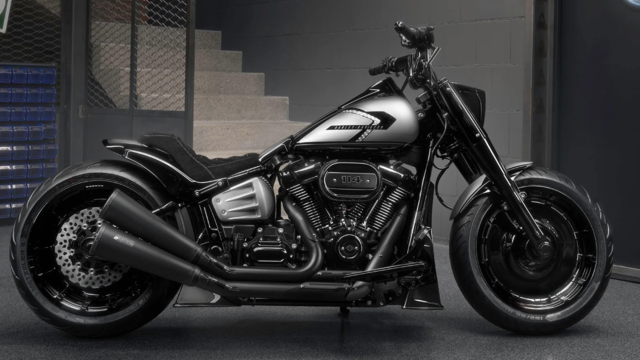
Harley-Davidson Fat Boy Becomes a Dark, Decepticon-Inspired Custom
Verdad Gallardo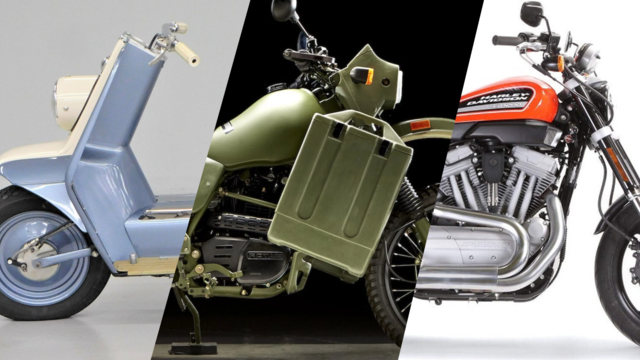
6 Weirdest Harley-Davidsons Ever Sold to the Public
Verdad Gallardo
7 Times Harley-Davidson Chucked Tradition Out the Window
Verdad Gallardo
7 Surprising Harley-Davidson Products that Are Not Motorcycles
Verdad Gallardo
8 Best Harley-Davidson Motorcycles Ever
Pouria Savadkouei
10 Worst Harley-Davidson Motorcycles Ever
Pouria Savadkouei
Killer Custom's Jail Break Is The Breakout That Refused to Blend In
Verdad Gallardo
Crazy Bunderbike Build Looks Amazing, But Is It Impossible to Ride?
Verdad Gallardo
Ultimate HDF Member
Joined: Jul 2014
Posts: 5,649
Likes: 430
From: MASS_hole
BikerLaw, I didn't think Warp was calling S&S liers. He simply stated they're covering their own by warning against lugging.
but whyle we're here, what is worse? Lugging or detonation
what causes detonation?
but whyle we're here, what is worse? Lugging or detonation
what causes detonation?
Outstanding HDF Member
Joined: Aug 2012
Posts: 3,217
Likes: 90
From: Detroit
Some strategies for combating this include enrichening the fuel mixture (which reduces combustion temperatures), using a higher octane fuel (which is less susceptible to self-ignition), retarding the timing (so peak pressure occurs farther after top dead center), and reducing power by reducing the throttle opening (on throttle-by-wire engines). Many systems will also control these parameters utilizing various temperature and pressure and speed and load sensors, using information gotten during testing of that particular engine/vehicle combination, in addition to knock sensors.
Last edited by Warp Factor; May 2, 2017 at 09:11 AM.