When you click on links to various merchants on this site and make a purchase, this can result in this site earning a commission. Affiliate programs and affiliations include, but are not limited to, the eBay Partner Network.
The Dyno RoomA special room dedicated for Dyno tuning products, troubleshooting and results. All Gearheads and Dyno Operators are welcome here as well as the guys that are new to tuning. Please see the special rules for this section before posting.
So, a riding buddy of mine has a '16 Fat Boy and he would like to know why these dyno runs are so different from each other. He hasn't been able to get any answers from the dealer that make sense to him and I am not knowledgeable enough to help. So here goes.
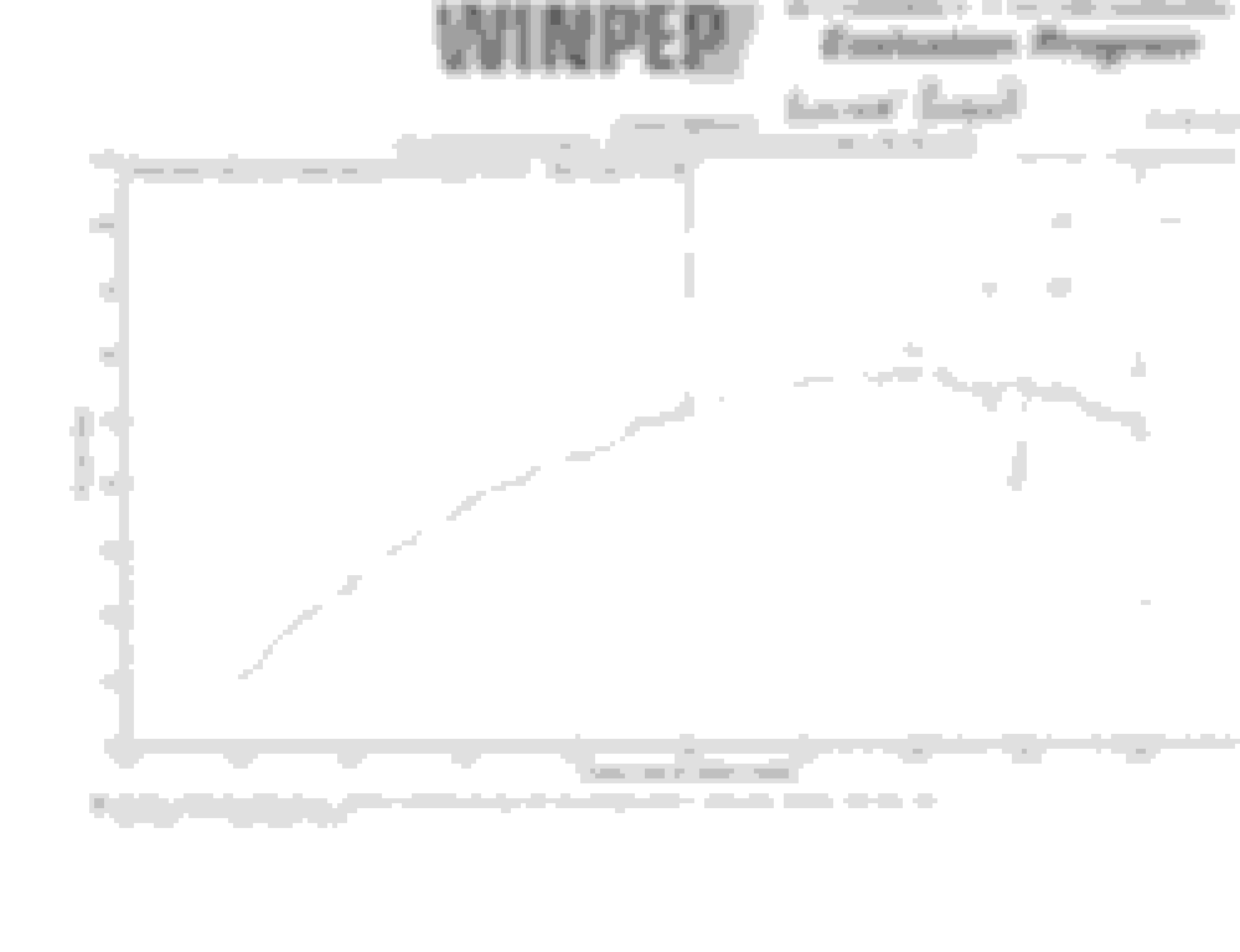
First, he added Vance & Hines slip-sons and a high flow breather. Here is the dyno sheet for that setup:
Then, he had that setup replaced with Rinehart Softail Churchill 2-into-2 exhaust system. Here is the dyno sheet for that setup:
He knows that ambient air temperatures have an affect and he knows that the tuner makes a difference, but he wonders if those and other factors have a significant effect on his torque output. Plus, he wonders why the curves on the Rinehart dyno run are so wavy instead of smooth like the V&H dyno run. FYI, each run was done by a different tuner.
Any thoughts and insight y'all can offer would be greatly appreciated!
Last edited by GalvTexGuy; Jul 12, 2016 at 02:00 PM.
The part that lists the smoothing factor is cut off. AFR chart is missing. They list 1 chart as a 6th gear run, the other chart doesn't say. The charts are scaled different as far as the upper looks smoother due to the scales are closer together so that would make everything seem smoother. Too many things different between the 2 charts to compare them.
The part that lists the smoothing factor is cut off. AFR chart is missing. They list 1 chart as a 6th gear run, the other chart doesn't say. The charts are scaled different as far as the upper looks smoother due to the scales are closer together so that would make everything seem smoother. Too many things different between the 2 charts to compare them.
Wow, thanks for the quick response and information! I've forwarded the info to him. Again, thanks!
Weather does make a significant difference. The temp on one run was 99 degrees. The other run was 77. Both runs where at low humidity and pressure was about the same. Slightly lower on the cooler day. Anybody who drag races and keeps track of weather conditions with a air density gauge will tell you, elapsed times get quicker as the temps drop and air desity improves. Our 10 sec car would pick up sometimes 3 tenths of a sec as night came on, sometimes a little more. That would be the equivalent of removing 300 lbs from a 3000lb car. Our engine made 550hp. And doing the matmatical correction for the air density and et, the car was picking up nearly 50hp with cooling temps over the course of the day into night. On a fall day with low temps high pressure and low humidity, look out, the ol girl is going to run good. Likely have to jet up a bit richer. Also Alot of dynos will mathmatically correct for given conditions such as 60 degrees 29.92 hg and 0% humidity. This is why manufacturer advertised dyno runs are always higher than real world runs. You will never see those conditions in the real world. A 10% difference in dyno's is also considered acceptable. Looking at those numbers I would not be concerned at all when looking at the weather conditions.
The Rhinehart tune may have needed to be looked into a bit and maybe fine tuned a little, especially if the bike was tuned for the V&H slip ons. and the Rhinehart was new. But looking at the weather conditions I would not be overly concerned
I've since learned that the tuner who dyno'ed the Rineharts told my buddy he purposely tried eliminating decel popping because that was something my buddy mentioned to him that he got with the V&H slip-ins. We're both going to the dealership today and I'm sure he'll talk to the dyno guy. If I learn anything else, I'll post the information. Thanks for the feedback.
Knock Retard at it's finest- first session was cool air, KR off or non existent. Second session was lots of ambient & engine temp, combined with KR activity: bad air kills some power, knock retard activity killed the rest.
I've since learned that the tuner who dyno'ed the Rineharts told my buddy he purposely tried eliminating decel popping because that was something my buddy mentioned to him that he got with the V&H slip-ins.
Almost sounds like his excuse for the poor WOT (and possibly other areas) tuning.
Decel popping has absolutely nothing to do with WOT so there is nothing on the graph addressing decel popping.
Simply put, the first tune (graph) looks like a proper tune and the next looks like a poor tune at WOT, which really questions the rest of the tune.
Bob
7 Surprising Harley-Davidson Products that Are Not Motorcycles
Slideshow: The bar-and-shield logo shows up on far more than motorcycles, some of the company's most unexpected products have nothing to do with riding.
Slideshow: From the troubled AMF years to modern misfires, these bikes earned reputations for reliability issues, questionable engineering, or disappointing performance.
Crazy Bunderbike Build Looks Amazing, But Is It Impossible to Ride?
Slideshow: The Swiss custom shop has taken a Harley Softail and stretched it into something so long and low that it looks closer to a rolling sculpture than a conventional motorcycle.
Engraved Rebellion: Inside Bundnerbike's Glam Rock II
Slideshow: A standard cruiser becomes an intricate metal canvas in the hands of a Swiss custom house known for pushing Harley-Davidson platforms far beyond their factory brief.
Slideshow: Harley-Davidson's challenges aren't abstract; they show up in dropping shipments, shrinking dealer traffic, and strategic decisions that aren't yet translating into growth.






 Dyno Comparison Feedback