








engine using to slow down

Elite HDF Member
Joined: Mar 2014
Posts: 4,214
Likes: 661
From: Prior Lake, MN

Think Again
Zero Hard.
How hard on the motor if using it to slow down the bike, as in downshifting?

Seasoned HDF Member


Joined: May 2012
Posts: 32,934
Likes: 36,032
From: Carlsbad, CA
Just don’t do a mechanical over rev. Do the downshift into the next lower gear only, to ensure you keep the refs down. O;ce you get good at it you can do multiple gear downshifts...if the revs are low enough.
i use engine breaking all the time, and always have on manual transmission vehicles...and even on my car with paddle shifters.
When street racing my Datsun 240z years ago, I did an accidental mechanical over rev...and it survived. But, I don’t advocate doing that. Not all motors can take that,
Edit: Oh yeah. It’s best to slip the clutch out after down shifting. Don’t just down shift and let the clutch fly. That can temporary key slide the rear tire, and/or throw a valve through the gas tank.
i use engine breaking all the time, and always have on manual transmission vehicles...and even on my car with paddle shifters.
When street racing my Datsun 240z years ago, I did an accidental mechanical over rev...and it survived. But, I don’t advocate doing that. Not all motors can take that,
Edit: Oh yeah. It’s best to slip the clutch out after down shifting. Don’t just down shift and let the clutch fly. That can temporary key slide the rear tire, and/or throw a valve through the gas tank.
Last edited by TriGeezer; Jul 29, 2019 at 04:04 PM.

Stage I
Joined: Mar 2022
Posts: 1
Likes: 0
From: Ontario
Stfu
Last edited by soldierbot; Mar 22, 2022 at 11:19 PM. Reason: Play nice

Grand HDF Member


Joined: Nov 2018
Posts: 4,607
Likes: 3,312
From: Virginia
When I was a kid learning how to drive on a manual transmission, my dad taught me to double clutch and down shift. He said that using the engine to slow you down saved the brakes. My response was that I could change the brakes a lot easier than I could change a clutch.
It's still cool to double clutch and down shift.
It's still cool to double clutch and down shift.

Road Master


Joined: Mar 2021
Posts: 1,153
Likes: 1,283
From: Texas Hill Country
HD Forum Stories
The Best of Harley-Davidson for Lifelong Riders
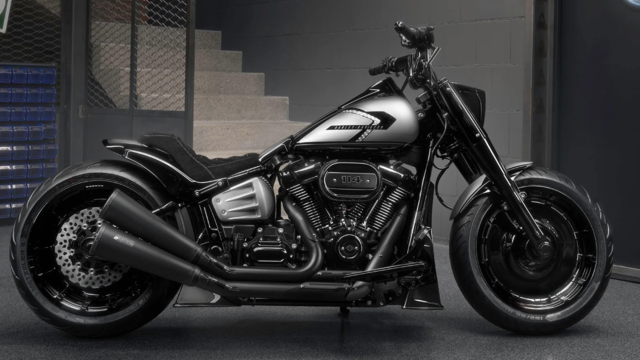
Harley-Davidson Fat Boy Becomes a Dark, Decepticon-Inspired Custom
Verdad Gallardo
6 Weirdest Harley-Davidsons Ever Sold to the Public
Verdad Gallardo
7 Times Harley-Davidson Chucked Tradition Out the Window
Verdad Gallardo
7 Surprising Harley-Davidson Products that Are Not Motorcycles
Verdad Gallardo
8 Best Harley-Davidson Motorcycles Ever
Pouria Savadkouei
10 Worst Harley-Davidson Motorcycles Ever
Pouria Savadkouei
Killer Custom's Jail Break Is The Breakout That Refused to Blend In
Verdad Gallardo
Crazy Bunderbike Build Looks Amazing, But Is It Impossible to Ride?
Verdad Gallardo
Harley-Davidson Reveals Super Cool Cafe Racer Concept
Verdad Gallardo

Grand HDF Member


Joined: Jan 2012
Posts: 4,459
Likes: 2,900
From: Oklahoma
When I was a kid learning how to drive on a manual transmission, my dad taught me to double clutch and down shift. He said that using the engine to slow you down saved the brakes. My response was that I could change the brakes a lot easier than I could change a clutch.
It's still cool to double clutch and down shift.
It's still cool to double clutch and down shift.
Using a lower gear when going down a long hill is still recommended more to prevent brake over heating and loss of brake function. Many enjoy down-shifting for engine braking as they slow but it saves little if anything in the overall cost of operation. If you blip the throttle to rpm match with EACH down shift, that slightly increases fuel consumption likely cancelling out what you might save on brakes. Motorcycles don't have neutral between EACH gear so double clutching isn't even available. The dog that engages each gear gets slammed pretty hard when down-shifting just as it does when up-shifting adding wear to the transmission as well as the clutch. If you enjoy doing it, that is your choice, but it isn't free.