





Compensator issues

Road Master
Joined: Dec 2018
Posts: 1,045
Likes: 390
From: Florida

Changed one on a friends 16' FLHXS and did not have to remove the clutch basket and the chain slid on to the one we used, he also went with a 32 tooth, says he likes it even though it threw his speedo off a little, also replaced the automatic chain adjuster while at it. Pro and con I am not sure, says it feels smoother and easy starting.
Last edited by Hawg Runner; Apr 8, 2020 at 05:46 AM.

Grand HDF Member


Joined: Jan 2012
Posts: 4,459
Likes: 2,900
From: Oklahoma
Changed one on a friends 16' FLHXS and did not have to remove the clutch basket and the chain slid on to the one we used, he also went with a 32 tooth, says he likes it even though it threw his speedo off a little, also replaced the automatic chain adjuster while at it. Pro and con I am not sure, says it feels smoother and easy starting.
Road Master
Joined: Dec 2018
Posts: 1,045
Likes: 390
From: Florida
While I can't argue with ACTUAL results, I am confused how changing the engine sprocket changed the speedo. The speedo is driven by the transmission output shaft and unless either the front or rear pulley was changed, the relationship between the transmission output shaft rpm and wheel rpm should remain the same (speedo unchanged). He may have lost cruise control and gear indicator and/or 6th gear lights as those are based on computed ratios between engine rpm and transmission output shaft rpm.
Last edited by Hawg Runner; Apr 8, 2020 at 05:16 PM.
Grand HDF Member
Joined: Jan 2012
Posts: 4,459
Likes: 2,900
From: Oklahoma
Unless something besides the engine sprocket was changed, the difference you saw between the two bikes should have been identical to what you would have seen before the sprocket change. The engine rpm changed for a given speed, but the transmission output/rear wheel relationship was unchanged and that is what the speedo shows.

2nd Gear
Joined: Nov 2018
Posts: 6
Likes: 0
From: Waianae, HI
I changed mine out with a Baker compensator in my ‘07 FLHRSE3. I was getting a bit of backfiring on startup, and clunking when turning the engine off. The stock compensator was worn and had a bit of play. Got a great deal on ebay on a Baker unit, and also installed a Hayden m6 automatic chain tensioner. Resolved the backfire and clunking noise. Also upgraded the front motor mount with a Kinetic Structures unit. Took out about 90% of the horrible vibration from the stock mount.
Trending Topics
I am not 100% on how it actually plays a roll with final drive. I went from 34t to 32t and my speedo was off 10 mph. I had to change gear ratios in my tuner so I could use my cruse control and indicator. It raised rpm by 250. At 80 mph with the 34t was 2800 now 3000 at 80 mph .
HD Forum Stories
The Best of Harley-Davidson for Lifelong Riders
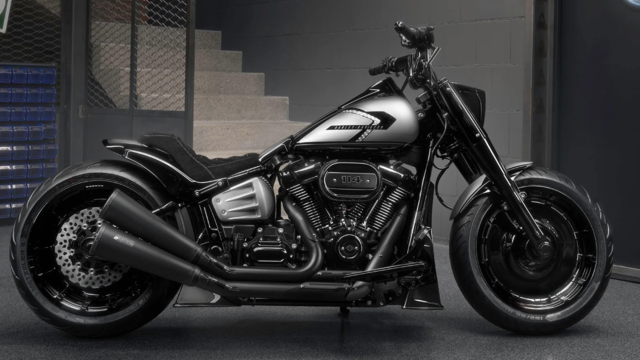
Harley-Davidson Fat Boy Becomes a Dark, Decepticon-Inspired Custom
Verdad Gallardo
6 Weirdest Harley-Davidsons Ever Sold to the Public
Verdad Gallardo
7 Times Harley-Davidson Chucked Tradition Out the Window
Verdad Gallardo
7 Surprising Harley-Davidson Products that Are Not Motorcycles
Verdad Gallardo
8 Best Harley-Davidson Motorcycles Ever
Pouria Savadkouei
10 Worst Harley-Davidson Motorcycles Ever
Pouria Savadkouei
Killer Custom's Jail Break Is The Breakout That Refused to Blend In
Verdad Gallardo
Crazy Bunderbike Build Looks Amazing, But Is It Impossible to Ride?
Verdad Gallardo
Harley-Davidson Reveals Super Cool Cafe Racer Concept
Verdad Gallardo
Seasoned HDF Member

Joined: Aug 2011
Posts: 11,814
Likes: 5,120
From: SW Ohio
Two downsides to changing the compensator/crank sprocket for a smaller one will do (like a 32T in place of a 34T) is make the starter work harder because it will have less leverage and TBW bikes will lose cruise control as it uses a comparison between transmission speed and engine RPM to engage.
Last edited by Campy Roadie; Apr 9, 2020 at 07:44 AM.
Grand HDF Member
Joined: Jan 2012
Posts: 4,459
Likes: 2,900
From: Oklahoma
I am not 100% on how it actually plays a roll with final drive. I went from 34t to 32t and my speedo was off 10 mph. I had to change gear ratios in my tuner so I could use my cruse control and indicator. It raised rpm by 250. At 80 mph with the 34t was 2800 now 3000 at 80 mph .