When you click on links to various merchants on this site and make a purchase, this can result in this site earning a commission. Affiliate programs and affiliations include, but are not limited to, the eBay Partner Network.
New road glide owner here. I'm planning to use the fairing brackets as recommended by the Harley dealer. Around the handlebars won't work on a Road Glide.
regardless of whether it would work or not, you don't want to use your handlebars as tie downs, not unless you want bent handlebars. i've used soft ties wrapped around the downtubes, above that crosspiece in the front. but doing that does compress the suspension, so i will put a chunk of wood underneath the frame so that when you compress the suspension, it will tighten up against the wood. makes it super solid, almost like the bike is 'at one' with the trailer. you'll get no 'wiggle' what so ever.
that's the way that i was taught many years ago. if you don't want to do it that way, then i would go with brandon's method.
either way, make sure that the front tie downs are pulling the bike forward into a wheel chock. and strap the rear down as well to keep it from bouncing side to side. ensure that the straps are not pulling on anything that can bend or break, not rubbing on any painted surface, and the extra tie down is secured and taped up so that it doesn't flap in the wind and cause any damage to the paint.
or you could just get a b&w biker bar and avoid straps altogether.
New road glide owner here. I'm planning to use the fairing brackets as recommended by the Harley dealer. Around the handlebars won't work on a Road Glide.
Using a soft strap wrapped around the engine guard just inside of the fairing brackets was what I was looking at. Unclip the plastic air deflector from the tube and let it hang.
regardless of whether it would work or not, you don't want to use your handlebars as tie downs, not unless you want bent handlebars. i've used soft ties wrapped around the downtubes, above that crosspiece in the front. but doing that does compress the suspension, so i will put a chunk of wood underneath the frame so that when you compress the suspension, it will tighten up against the wood. makes it super solid, almost like the bike is 'at one' with the trailer. you'll get no 'wiggle' what so ever.
that's the way that i was taught many years ago. if you don't want to do it that way, then i would go with brandon's method.
either way, make sure that the front tie downs are pulling the bike forward into a wheel chock. and strap the rear down as well to keep it from bouncing side to side. ensure that the straps are not pulling on anything that can bend or break, not rubbing on any painted surface, and the extra tie down is secured and taped up so that it doesn't flap in the wind and cause any damage to the paint.
or you could just get a b&w biker bar and avoid straps altogether.
7 Surprising Harley-Davidson Products that Are Not Motorcycles
Slideshow: The bar-and-shield logo shows up on far more than motorcycles, some of the company's most unexpected products have nothing to do with riding.
Slideshow: From the troubled AMF years to modern misfires, these bikes earned reputations for reliability issues, questionable engineering, or disappointing performance.
Crazy Bunderbike Build Looks Amazing, But Is It Impossible to Ride?
Slideshow: The Swiss custom shop has taken a Harley Softail and stretched it into something so long and low that it looks closer to a rolling sculpture than a conventional motorcycle.
Engraved Rebellion: Inside Bundnerbike's Glam Rock II
Slideshow: A standard cruiser becomes an intricate metal canvas in the hands of a Swiss custom house known for pushing Harley-Davidson platforms far beyond their factory brief.
Slideshow: Harley-Davidson's challenges aren't abstract; they show up in dropping shipments, shrinking dealer traffic, and strategic decisions that aren't yet translating into growth.






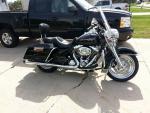





 How do you tie down a Road Glide when transporting