

Brake pad wear

Thread Starter
|
Road Master


Joined: Nov 2008
Posts: 773
Likes: 24
From: Findlay, ohio
 Brake pad wear
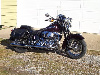
Recently had my 15k service and also had to have to brake pads on rear of my 08 Ultra. Not a big deal, but was expecting longer wear from the pads. I don't think I apply too much pressure to the rear, as I always try to apply equal pressure to front and back. Does this seem like normal brake wear? I've talked to others who got many more miles before replacing.
Road Captain
Joined: Nov 2007
Posts: 697
Likes: 1
From: Just west of Tahoe
I eat em up like candy living in the mountains. What's really strange is my rears get way low mileage. I replaced em when i added a new rear tire and I found em in the nick of time just the other day! They were almost to the backing plates. Like 4000 miles! They were aftermarket so I paid the $50.00 at HD. We'll see how long they last. I think the originals I got about 11,500 out of the rear and about 18,000 out of the fronts.
Extreme HDF Member
Joined: Sep 2005
Posts: 11,615
Likes: 50
From: Baton Rouge, LA
I find that rear pads wear faster than the front even though I rarely use the rear brake. The reason may be that neither the rotor nor caliper floats, as on front the calipers float and on my bike so do the rotors. Without that flexibility of movement the pad takes on more friction. If you'll check after a long ride the rear brake rotor is hot even if you haven't used it, while the fronts will be less so.
I have 24k on a set of EBC Kevlar pads on the rear and they are now at 2mm (5mm is new and 1mm is minimal spec). At $25 a set they are a good buy, perform well, and leave little dust.
I have 24k on a set of EBC Kevlar pads on the rear and they are now at 2mm (5mm is new and 1mm is minimal spec). At $25 a set they are a good buy, perform well, and leave little dust.

Advanced
Joined: Apr 2009
Posts: 58
Likes: 0
From: Chelsea, AL
I had to replace my rear tire at 3300 miles due to a 1/4" self tapping screw. Rear pads measure almost half used up. Apparently some of these pads have really soft compounds. I also found out there are two part numbers available for 08 & 09

Banned
Joined: May 2008
Posts: 787
Likes: 2
From: Western Wyoming
Replaced mine @ 22k.mi. to get rid of the squeal,still had quite a bit of pad left.24k mi. on the fronts with about half the the pad left.
Trending Topics
Road Master
Joined: Nov 2007
Posts: 827
Likes: 5
From: Ohio
I find that rear pads wear faster than the front even though I rarely use the rear brake. The reason may be that neither the rotor nor caliper floats, as on front the calipers float and on my bike so do the rotors. Without that flexibility of movement the pad takes on more friction. If you'll check after a long ride the rear brake rotor is hot even if you haven't used it, while the fronts will be less so.
I have 24k on a set of EBC Kevlar pads on the rear and they are now at 2mm (5mm is new and 1mm is minimal spec). At $25 a set they are a good buy, perform well, and leave little dust.
I have 24k on a set of EBC Kevlar pads on the rear and they are now at 2mm (5mm is new and 1mm is minimal spec). At $25 a set they are a good buy, perform well, and leave little dust.
I changed my front pads at 24K and had a bit left. My rear pads at 27k still have almost as much as new but I don't use my rears much.
HD Forum Stories
The Best of Harley-Davidson for Lifelong Riders

7 Surprising Harley-Davidson Products that Are Not Motorcycles
Verdad Gallardo
8 Best Harley-Davidson Motorcycles Ever
Pouria Savadkouei
10 Worst Harley-Davidson Motorcycles Ever
Pouria Savadkouei
Killer Custom's Jail Break Is The Breakout That Refused to Blend In
Verdad Gallardo
Crazy Bunderbike Build Looks Amazing, But Is It Impossible to Ride?
Verdad Gallardo
Harley-Davidson Reveals Super Cool Cafe Racer Concept
Verdad Gallardo
Engraved Rebellion: Inside Bundnerbike's Glam Rock II
Verdad Gallardo
10 Motorcycles You Should Never Buy
Joe Kucinski
10 Things Harley-Davidson Needs to Fix in 2026
Verdad Gallardo
Thread Starter
|
Road Master
Joined: Nov 2008
Posts: 773
Likes: 24
From: Findlay, ohio
Thanks for the advice Jsimo9. I'll check for drag and keep an eye them. The new pads are squeeking, so I may change them again if they don't quit squeeking. Maybe try another set of pads or some anti-squeek.