





Breaking with the engine ?

Banned
Joined: Oct 2009
Posts: 20,823
Likes: 1,506
From: Nowhere

Another problem with engine braking is that it is a good way to lose traction on your rear tire. It is much easier to regulate the brake than it is to regulate the clutch, engine, and tranny at the same time; plus the rear brake.
I am curious...
How many people who engine brake begin their braking with a down shift?
I drive a tractor trailer and you always use the engine & trans to help slow you it's the same in your cage or on your H-D. The engine & trans speed you up why can't it slow you down? or they would have given you a 1 speed trans!
Supporter
Joined: Aug 2008
Posts: 5,189
Likes: 16
From: N.E. Wisconsin
Well stated !!
HD Forum Stories
The Best of Harley-Davidson for Lifelong Riders

8 Best Harley-Davidson Motorcycles Ever
Pouria Savadkouei
10 Worst Harley-Davidson Motorcycles Ever
Pouria Savadkouei
Killer Custom's Jail Break Is The Breakout That Refused to Blend In
Verdad Gallardo
Crazy Bunderbike Build Looks Amazing, But Is It Impossible to Ride?
Verdad Gallardo
Harley-Davidson Reveals Super Cool Cafe Racer Concept
Verdad Gallardo
Engraved Rebellion: Inside Bundnerbike's Glam Rock II
Verdad Gallardo
10 Motorcycles You Should Never Buy
Joe Kucinski
10 Things Harley-Davidson Needs to Fix in 2026
Verdad Gallardo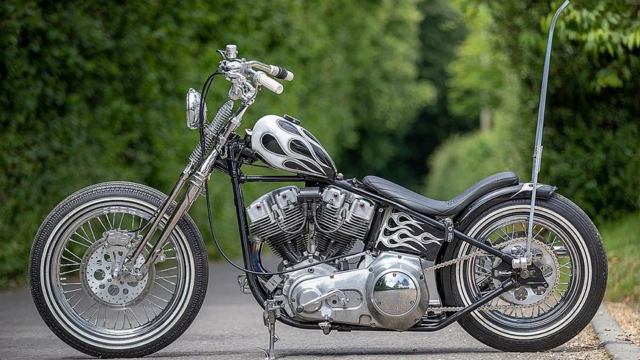
Southpaw Super Glide: A Left-Hand-Drive 1979 Harley FXE Built to Fit the Rider
Verdad Gallardo
Tourer
Joined: Jan 2010
Posts: 253
Likes: 1
From: S E Michigan
The following is an excerpt from the Touring models owners manual:
Downshift (Deceleration)
Do not downshift at speeds higher than those listed. Shifting to lower gears when speed is too high can cause the rear wheel to lose traction and lead to loss of vehicle control, which could result in death or serious injury. (00045b)
Gear shift pattern is first gear down; next five gears up. Refer to Downshift (Deceleration) Gear Speeds: Six Speed for shifting speeds.
Downshift (Deceleration) Gear Speeds: Six Speed
GEAR CHANGE
MPH
Sixth to fifth
50
Fifth to fourth
40
Fourth to third
30
Third to second
20
Second to first
10
NOTE:
The shifting points shown in the tables are recommendations. Vehicle owners may determine that their own individual shifting patterns may differ than those stated and are additionally appropriate for individual riding styles.
See Shifting Sequence: Downshift. When engine speed decreases, as in climbing a hill or running at a reduced speed, shift to the next lower gear while partially closing the throttle so the engine accelerates as soon as the clutch lever is released.
NOTES:
Disengage the clutch completely before each gear change.
Partially close the throttle so the engine will not drag when clutch is again engaged (clutch lever released).
Shift to neutral before stopping engine. Shifting mechanism can be damaged by shifting gears while engine is stopped. (00183a)
The gear shifter mechanism permits shifting the transmission to neutral from either first or second gear.
Downshift (Deceleration)
Do not downshift at speeds higher than those listed. Shifting to lower gears when speed is too high can cause the rear wheel to lose traction and lead to loss of vehicle control, which could result in death or serious injury. (00045b)
Gear shift pattern is first gear down; next five gears up. Refer to Downshift (Deceleration) Gear Speeds: Six Speed for shifting speeds.
Downshift (Deceleration) Gear Speeds: Six Speed
GEAR CHANGE
MPH
Sixth to fifth
50
Fifth to fourth
40
Fourth to third
30
Third to second
20
Second to first
10
NOTE:
The shifting points shown in the tables are recommendations. Vehicle owners may determine that their own individual shifting patterns may differ than those stated and are additionally appropriate for individual riding styles.
See Shifting Sequence: Downshift. When engine speed decreases, as in climbing a hill or running at a reduced speed, shift to the next lower gear while partially closing the throttle so the engine accelerates as soon as the clutch lever is released.
NOTES:
Disengage the clutch completely before each gear change.
Partially close the throttle so the engine will not drag when clutch is again engaged (clutch lever released).
Shift to neutral before stopping engine. Shifting mechanism can be damaged by shifting gears while engine is stopped. (00183a)
The gear shifter mechanism permits shifting the transmission to neutral from either first or second gear.