


Engine braking vs downshifting


Thread Starter
|
Advanced
Joined: Jan 2007
Posts: 89
Likes: 0
From:
 Engine braking vs downshifting
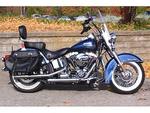
Had my new Dyna delivered on Monday, unfortunately on a COLD day. I took it out for a quick spin anyway. Now, we're getting BLASTED with snow, so it'll be a while before I get on it again.
It's been many years since I've ridden, and never on a big bike. I'm taking things slow. When I rode the bike, I was surprised at how much the bike slowed just by backing off the throttle. Going down a quiet country road at 45 or so, and coming to a turn, it seemed that all I needed to do was back off the throttle, rather than a lot of braking or downshifting gear by gear. I'd appreciate hearing some opinions about when to brake and when to downshift through the gears. Is one any better/safer than the other?
It's been many years since I've ridden, and never on a big bike. I'm taking things slow. When I rode the bike, I was surprised at how much the bike slowed just by backing off the throttle. Going down a quiet country road at 45 or so, and coming to a turn, it seemed that all I needed to do was back off the throttle, rather than a lot of braking or downshifting gear by gear. I'd appreciate hearing some opinions about when to brake and when to downshift through the gears. Is one any better/safer than the other?

Novice
Joined: Jan 2007
Posts: 21
Likes: 0
From:
RE: Engine braking vs downshifting
Went through the light bike to "heavy" bike transition about 12 years ago and though it sounds simple the "slow, look, lean roll" addage holds true. The problem with simply rolling off the throttle before entering the turn is one of habit; engine breaking uses up traction just like getting on the binders and it's easy to get into the habit of rolling off the throttle ... which is a bad thing in the turn. Slow curves make it easy to get complacent but my two cents is to practice making all of your speed adjustments with proper breaking & down-shifting PRIOR to entering the turn so you can smoothly roll on the throttle al the way through the turn. I wouldn't want to roll off the trottle and get into the turn and find myself lugging the engine.
Just my observations of my own habit patterns.
Just my observations of my own habit patterns.


Road Warrior
Joined: Oct 2006
Posts: 1,955
Likes: 2
From: central TEXAS
RE: Engine braking vs downshifting
I can tell you from experience to watch the down shifting.......as on ol motocrosser down shifting is in the blood..............result 4 rear tires in 11000 miles........................LOLIFE............
Tourer
Joined: Feb 2007
Posts: 307
Likes: 1
From: Right of Center
RE: Engine braking vs downshifting
I got 100K out of my first set of brake pads in my car. The key was not in using the gears instead (although I do use the gears for someengine braking), but in operating the car smoothly. Better fuel economy, longer tire life, and less stress result.
While riding spiritedly,brake, then downshift using some engine braking to maintain control and be in the proper gear. Do all braking and downshifting prior to apex of turn (the point where you lean into it). Accelerate through the turn! This loads the bike properly.
While riding spiritedly,brake, then downshift using some engine braking to maintain control and be in the proper gear. Do all braking and downshifting prior to apex of turn (the point where you lean into it). Accelerate through the turn! This loads the bike properly.

Road Warrior
Joined: May 2005
Posts: 1,301
Likes: 24
From: Minden LA
RE: Engine braking vs downshifting
It depends on how tight the turn is. If you will need to downshift in order not to lug the engine, then do it before entering the corner, if you are just taking a curve and can still pull good when coming out of the turn then leave it in the gear you are in. It isn't bad to let the engine slow you down but be prepared to shift to the correct gear so you can negotiate the turn in the proper gear and pull smoothly through and out the other side. This way you will always be ready to either gas it or shut it down depending on the situation.---jack

Thread
Thread Starter
Forum
Replies
Last Post
Osco
Sportster Models
26
May 27, 2011 10:24 PM
thomas_remkus
Touring Models
24
Sep 14, 2009 11:38 AM
SteveB FLH
General Harley Davidson Chat
20
Aug 7, 2008 10:24 AM










