





Cylinder studs?

Thread Starter
|
Road Captain
Joined: Aug 2006
Posts: 707
Likes: 38
 Cylinder studs?
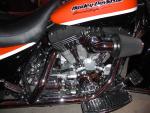
How are you guys going about checking torque on cylinder studs when doing a big bore?
Edit. Looked his morning and realized I was pretty vague. What I mean is when doing a big bore what do the pros do? Remove, clean and reinstall the studs? Install new studs? Torque to factory spec and see if it moves? Thanks for any advice
Edit. Looked his morning and realized I was pretty vague. What I mean is when doing a big bore what do the pros do? Remove, clean and reinstall the studs? Install new studs? Torque to factory spec and see if it moves? Thanks for any advice
Last edited by 2deuceguy; Oct 14, 2016 at 06:58 AM.
Thread Starter
|
Road Captain
Joined: Aug 2006
Posts: 707
Likes: 38
Originally Posted by Hillsidecycle.com
10, 20, 30, and then 42 ft/lbs is how we have done it for almost 2 decades now.
Once torqued correctly, no need to fiddle with it.
Scott
Once torqued correctly, no need to fiddle with it.
Scott
I'm in the process of repairing a base gasket leak in a 120R. Just want to make sure I have everything covered.
Last edited by 2deuceguy; Oct 14, 2016 at 07:30 AM.
If the stud is shouldered, you use a ball bearing and one of the OE fasteners (bearing goes in the fastener) and the stud had loctite on it from the factory. There is a torque spec in the manual.
If the stud if not shouldered, there is an install height and it should have been loctited in.
It's unlikely that a stud backed out when taking the head off though.
If the stud if not shouldered, there is an install height and it should have been loctited in.
It's unlikely that a stud backed out when taking the head off though.
Thread Starter
|
Road Captain
Joined: Aug 2006
Posts: 707
Likes: 38
Originally Posted by Ed Ramberger
If the stud is shouldered, you use a ball bearing and one of the OE fasteners (bearing goes in the fastener) and the stud had loctite on it from the factory. There is a torque spec in the manual.
If the stud if not shouldered, there is an install height and it should have been loctited in.
It's unlikely that a stud backed out when taking the head off though.
If the stud if not shouldered, there is an install height and it should have been loctited in.
It's unlikely that a stud backed out when taking the head off though.

Road Warrior
Joined: Aug 2015
Posts: 1,712
Likes: 410
From: Puyallup, WA
IMO, there is no good way to test locktited bolts. You can check torque to about 70% of rated torque, anything over that and you're taking a good chance of breaking the locktite, then you're worse off than when you started. If you really want to be sure, pull the studs, clean the holes and reinstall.

Road Captain
Joined: Jun 2008
Posts: 714
Likes: 53
so if I do a big bore kit on a newer bike, 16 Limited, do I have to remove and reinstall studs??
that seems like overkill
I cant find anything in service manual
that seems like overkill
I cant find anything in service manual
Trending Topics
Thread Starter
|
Road Captain
Joined: Aug 2006
Posts: 707
Likes: 38
Originally Posted by bad tappets
IMO, there is no good way to test locktited bolts. You can check torque to about 70% of rated torque, anything over that and you're taking a good chance of breaking the locktite, then you're worse off than when you started. If you really want to be sure, pull the studs, clean the holes and reinstall.
HD Forum Stories
The Best of Harley-Davidson for Lifelong Riders

7 Surprising Harley-Davidson Products that Are Not Motorcycles
Verdad Gallardo
8 Best Harley-Davidson Motorcycles Ever
Pouria Savadkouei
10 Worst Harley-Davidson Motorcycles Ever
Pouria Savadkouei
Killer Custom's Jail Break Is The Breakout That Refused to Blend In
Verdad Gallardo
Crazy Bunderbike Build Looks Amazing, But Is It Impossible to Ride?
Verdad Gallardo
Harley-Davidson Reveals Super Cool Cafe Racer Concept
Verdad Gallardo
Engraved Rebellion: Inside Bundnerbike's Glam Rock II
Verdad Gallardo
10 Motorcycles You Should Never Buy
Joe Kucinski
10 Things Harley-Davidson Needs to Fix in 2026
Verdad Gallardo
Thread Starter
|
Road Captain
Joined: Aug 2006
Posts: 707
Likes: 38
Originally Posted by 94 ultra
so if I do a big bore kit on a newer bike, 16 Limited, do I have to remove and reinstall studs??
that seems like overkill
I cant find anything in service manual
that seems like overkill
I cant find anything in service manual

Thread
Thread Starter
Forum
Replies
Last Post