


Engine ping

Thread Starter
|
6th Gear
Joined: Nov 2005
Posts: 13
Likes: 0
 Engine ping
My o6 ultra se will ping when I excellerate to a quick speed in a short amount of distance... it has 2500 miles and has'nt burnt oil since @ 1500 miles. I check it regular, is this normal? Thanks for any help.

Stellar HDF Member


Joined: Dec 2005
Posts: 3,234
Likes: 107
RE: Engine ping
ORIGINAL: davidh
My o6 ultra se will ping when I excellerate to a quick speed in a short amount of distance... it has 2500 miles and has'nt burnt oil since @ 1500 miles. I check it regular, is this normal? Thanks for any help.
My o6 ultra se will ping when I excellerate to a quick speed in a short amount of distance... it has 2500 miles and has'nt burnt oil since @ 1500 miles. I check it regular, is this normal? Thanks for any help.
Ya got the short. Here is the long.
It's called, ping, dedonation, abnormal combustion, possibly caused by gasoline with too low an octane rating for the engine. OR:
In normal combustion, the spark plug fires when the piston nears the top of its compression stroke, igniting the fuel/air mixture. Combustion progresses down through the fuel, exerting pressure on the moving piston.
Abnormal Fuel Combustion
Certain conditions, such as gasoline with an octane rating too low for the engine, cause the fuel/air mixture to self-ignite away from the spark plug. The two “flame fronts” literally collide and cause a knock or ping.
Knocking and pinging result when the fuel/air mixture self-ignites somewhere else in the cylinder, away from the spark plug. In these cases, the combustion from each source burns toward the other until their leading edges — called the flame fronts — literally collide, causing the ping or knock sound. Severe cases, termed detonation, result in a knock. Pinging is just a quieter symptom from a lesser instance of the same phenomenon.
This detonation is a little more like an explosion than controlled combustion. It occurs faster, burns hotter and is, at an instant, more forceful. The timing is all wrong, so what force the detonation does create is not converted into as much power in the engine’s crankshaft as would be generated by normal combustion. This is why engines that knock and ping during acceleration seem to bog down. If it is bad enough the engine will not even run.
Detonation’s force is hardly benign. Its increased heat and power can crack spark plugs, melt or blow holes in pistons, crack cylinder heads and blow head gaskets — at least over time. So what causes the fuel/air mixture to self-ignite and lead to detonation? Either the gasoline is of too low an octane rating or some condition in the engine is creating excessive heat, or a combination of the two.
When the fuel/air mixture is compressed during the compression stroke, its temperature rises. To simplify a bit, a gasoline’s octane rating quantifies the temperature and pressure at which it will self-ignite. Higher octanes represent higher ignition points. The greater the engine’s compression ratio, the hotter the mixture in the cylinders gets during the compression stroke, thus, the higher the fuel octane required to prevent premature ignition.
The compression ratio reflects the engine cylinder’s volume with its piston at the bottom versus the top of its stroke. Current vehicle engines range from 8:1 to 10:1 and above. Higher compression ratios deliver higher output, all other things being equal. Ratios around 9:1 and above typically call for premium fuel of octane 91 to 94, though the engine’s compression ratio isn’t the only factor. Turbochargers and superchargers pre-compress the air that gets mixed with fuel, so the net pressure in the cylinders may be higher than the cylinder ratio alone would suggest.
High heat and compression within the cylinder is one potential source of self-ignition. That said, fuel seldom self-ignites before the spark plug fires. When the spark ignites the mixture, the resulting combustion increases pressure and heat within the cylinder — in some cases, enough to cause the fuel to self-ignite elsewhere, away from the plug, causing the rapid and uncontrolled burn from two fronts that causes knocking or pinging.
Self-ignition also may occur if the engine’s ignition timing is over-advanced, meaning the spark plug fires too early in the compression stroke. Retarding the spark, making it fire later in the cycle, may prevent the knocking or pinging. Though this can solve the problem, it’s
RE: Engine ping
I was on another forum and found this information about spark plugs causing TC96 engine ping.
Quote >changed to a colder spark plug RA6HC instead of champion RA8HC=6R12... went for a ride , got the engine hot, engine ping is gone<
Has anyone here tried this cheap fix?
Quote >changed to a colder spark plug RA6HC instead of champion RA8HC=6R12... went for a ride , got the engine hot, engine ping is gone<
Has anyone here tried this cheap fix?

Road Master
Joined: Oct 2005
Posts: 762
Likes: 0
From:
RE: Engine ping
wilbowers,
Good read, thanks for makine it simple to understand.
capt42a
[quote]ORIGINAL: wlbowers
Ya got the short. Here is the long.
It's called, ping, dedonation, abnormal combustion, possibly caused by gasoline with too low an octane rating for the engine. OR:
In normal combustion, the spark plug fires when the piston nears the top of its compression stroke, igniting the fuel/air mixture. Combustion progresses down through the fuel, exerting pressure on the moving piston.
Abnormal Fuel Combustion
Certain conditions, such as gasoline with an octane rating too low for the engine, cause the fuel/air mixture to self-ignite away from the spark plug. The two “flame fronts” literally collide and cause a knock or ping.
Knocking and pinging result when the fuel/air mixture self-ignites somewhere else in the cylinder, away from the spark plug. In these cases, the combustion from each source burns toward the other until their leading edges — called the flame fronts — literally collide, causing the ping or knock sound. Severe cases, termed detonation, result in a knock. Pinging is just a quieter symptom from a lesser instance of the same phenomenon.
This detonation is a little more like an explosion than controlled combustion. It occurs faster, burns hotter and is, at an instant, more forceful. The timing is all wrong, so what force the detonation does create is not converted into as much power in the engine’s crankshaft as would be generated by normal combustion. This is why engines that knock and ping during acceleration seem to bog down. If it is bad enough the engine will not even run.
Detonation’s force is hardly benign. Its increased heat and power can crack spark plugs, melt or blow holes in pistons, crack cylinder heads and blow head gaskets — at least over time. So what causes the fuel/air mixture to self-ignite and lead to detonation? Either the gasoline is of too low an octane rating or some condition in the engine is creating excessive heat, or a combination of the two.
When the fuel/air mixture is compressed during the compression stroke, its temperature rises. To simplify a bit, a gasoline’s octane rating quantifies the temperature and pressure at which it will self-ignite. Higher octanes represent higher ignition points. The greater the engine’s compression ratio, the hotter the mixture in the cylinders gets during the compression stroke, thus, the higher the fuel octane required to prevent premature ignition.
The compression ratio reflects the engine cylinder’s volume with its piston at the bottom versus the top of its stroke. Current vehicle engines range from 8:1 to 10:1 and above. Higher compression ratios deliver higher output, all other things being equal. Ratios around 9:1 and above typically call for premium fuel of octane 91 to 94, though the engine’s compression ratio isn’t the only factor. Turbochargers and superchargers pre-compress the air that gets mixed with fuel, so the net pressure in the cylinders may be higher than the cylinder ratio alone would suggest.
High heat and compression within the cylinder is one potential source of self-ignition. That said, fuel seldom self-ignites before the spark plug fires. When the spark ignites the mixture, the resulting combustion increases pressure and heat within the cylinder — in some cases, enough to cause the fuel to self-ignite elsewhere, away from the plug, causing the rapid and uncontrolled burn from two fronts that causes knocking or pinging.
Self-ignition also may occur if the engine’s ignition timing is over-advanced, meaning the spark plug fires too early in the compression stroke. Retarding the sp
Good read, thanks for makine it simple to understand.
capt42a
[quote]ORIGINAL: wlbowers
ORIGINAL: davidh
My o6 ultra se will ping when I excellerate to a quick speed in a short amount of distance... it has 2500 miles and has'nt burnt oil since @ 1500 miles. I check it regular, is this normal? Thanks for any help.
My o6 ultra se will ping when I excellerate to a quick speed in a short amount of distance... it has 2500 miles and has'nt burnt oil since @ 1500 miles. I check it regular, is this normal? Thanks for any help.
Ya got the short. Here is the long.
It's called, ping, dedonation, abnormal combustion, possibly caused by gasoline with too low an octane rating for the engine. OR:
In normal combustion, the spark plug fires when the piston nears the top of its compression stroke, igniting the fuel/air mixture. Combustion progresses down through the fuel, exerting pressure on the moving piston.
Abnormal Fuel Combustion
Certain conditions, such as gasoline with an octane rating too low for the engine, cause the fuel/air mixture to self-ignite away from the spark plug. The two “flame fronts” literally collide and cause a knock or ping.
Knocking and pinging result when the fuel/air mixture self-ignites somewhere else in the cylinder, away from the spark plug. In these cases, the combustion from each source burns toward the other until their leading edges — called the flame fronts — literally collide, causing the ping or knock sound. Severe cases, termed detonation, result in a knock. Pinging is just a quieter symptom from a lesser instance of the same phenomenon.
This detonation is a little more like an explosion than controlled combustion. It occurs faster, burns hotter and is, at an instant, more forceful. The timing is all wrong, so what force the detonation does create is not converted into as much power in the engine’s crankshaft as would be generated by normal combustion. This is why engines that knock and ping during acceleration seem to bog down. If it is bad enough the engine will not even run.
Detonation’s force is hardly benign. Its increased heat and power can crack spark plugs, melt or blow holes in pistons, crack cylinder heads and blow head gaskets — at least over time. So what causes the fuel/air mixture to self-ignite and lead to detonation? Either the gasoline is of too low an octane rating or some condition in the engine is creating excessive heat, or a combination of the two.
When the fuel/air mixture is compressed during the compression stroke, its temperature rises. To simplify a bit, a gasoline’s octane rating quantifies the temperature and pressure at which it will self-ignite. Higher octanes represent higher ignition points. The greater the engine’s compression ratio, the hotter the mixture in the cylinders gets during the compression stroke, thus, the higher the fuel octane required to prevent premature ignition.
The compression ratio reflects the engine cylinder’s volume with its piston at the bottom versus the top of its stroke. Current vehicle engines range from 8:1 to 10:1 and above. Higher compression ratios deliver higher output, all other things being equal. Ratios around 9:1 and above typically call for premium fuel of octane 91 to 94, though the engine’s compression ratio isn’t the only factor. Turbochargers and superchargers pre-compress the air that gets mixed with fuel, so the net pressure in the cylinders may be higher than the cylinder ratio alone would suggest.
High heat and compression within the cylinder is one potential source of self-ignition. That said, fuel seldom self-ignites before the spark plug fires. When the spark ignites the mixture, the resulting combustion increases pressure and heat within the cylinder — in some cases, enough to cause the fuel to self-ignite elsewhere, away from the plug, causing the rapid and uncontrolled burn from two fronts that causes knocking or pinging.
Self-ignition also may occur if the engine’s ignition timing is over-advanced, meaning the spark plug fires too early in the compression stroke. Retarding the sp
Trending Topics

Road Captain
Joined: Oct 2006
Posts: 625
Likes: 3
From:
RE: Engine ping
Its not crank slapp is it bad bearing may be.Check the run out you might be in for a new motor.
HD Forum Stories
The Best of Harley-Davidson for Lifelong Riders

Jason Momoa Is Turning Classic Harleys Into PHEVs
Verdad Gallardo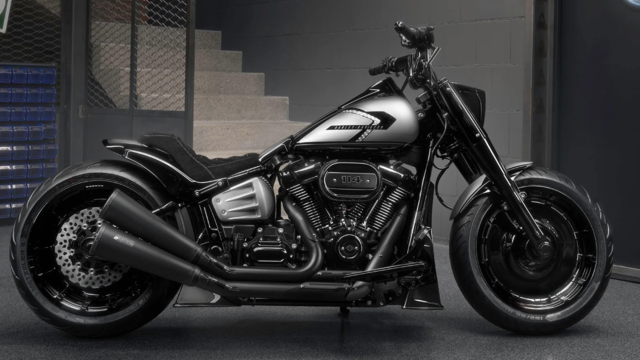
Harley-Davidson Fat Boy Becomes a Dark, Decepticon-Inspired Custom
Verdad Gallardo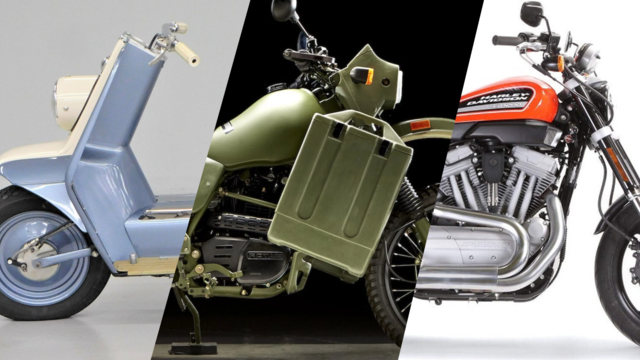
6 Weirdest Harley-Davidsons Ever Sold to the Public
Verdad Gallardo
7 Times Harley-Davidson Chucked Tradition Out the Window
Verdad Gallardo
7 Surprising Harley-Davidson Products that Are Not Motorcycles
Verdad Gallardo
8 Best Harley-Davidson Motorcycles Ever
Pouria Savadkouei
10 Worst Harley-Davidson Motorcycles Ever
Pouria Savadkouei
Killer Custom's Jail Break Is The Breakout That Refused to Blend In
Verdad Gallardo
Crazy Bunderbike Build Looks Amazing, But Is It Impossible to Ride?
Verdad Gallardo
Thread
Thread Starter
Forum
Replies
Last Post
