When you click on links to various merchants on this site and make a purchase, this can result in this site earning a commission. Affiliate programs and affiliations include, but are not limited to, the eBay Partner Network.
According to the parts manual for 1973, they had both 3.5 and 5 gallon tanks. But there were very few that came with the 3.5 gallon tanks. Mostly parade bikes like the Shriners bikes etc. So if the tanks are 3.5 gallon, they may be after market. And considering the age of the bike, who knows if the tank or petcock are original or have been modified for some reason.
As far as how much fuel remains when the petcock is moved to reserve, I've seen that vary from bike to bike. Most of the newer unaltered bikes from back in the day had about 1/2 gallon (regardless of the tank capacity) left for reserve. The only way I know to check that is to take a gallon of gas with you (in a chase vehicle) and check the odometer when you switch to reserve and see how far it goes before running out. Then put the gallon you brought along to get the bike running again so you can make it to a service station and fill up.
You could support the bike upright, remove the fuel line and drain the tank using the reserve position on the petcock to enpty the tank as close to how would be normally. Then with the petcock in the off position, fill the tanik to the normal level and turn the petcock to on and let it drain out to a graduated container and measure how much came out and then subtract that from the amount you put in. The difference is approximately how much fuel is left for reserve. Use your avg MPG to calculate how far you can go after switching to reserve.
According to the parts manual for 1973, they had both 3.5 and 5 gallon tanks. But there were very few that came with the 3.5 gallon tanks. Mostly parade bikes like the Shriners bikes etc. So if the tanks are 3.5 gallon, they may be after market. And considering the age of the bike, who knows if the tank or petcock are original or have been modified for some reason.
As far as how much fuel remains when the petcock is moved to reserve, I've seen that vary from bike to bike. Most of the newer unaltered bikes from back in the day had about 1/2 gallon (regardless of the tank capacity) left for reserve. The only way I know to check that is to take a gallon of gas with you (in a chase vehicle) and check the odometer when you switch to reserve and see how far it goes before running out. Then put the gallon you brought along to get the bike running again so you can make it to a service station and fill up.
You could support the bike upright, remove the fuel line and drain the tank using the reserve position on the petcock to enpty the tank as close to how would be normally. Then with the petcock in the off position, fill the tanik to the normal level and turn the petcock to on and let it drain out to a graduated container and measure how much came out and then subtract that from the amount you put in. The difference is approximately how much fuel is left for reserve. Use your avg MPG to calculate how far you can go after switching to reserve.
Paul
I never seen any 3 gal Tanks on an FLH..did see them on SuperGlides however... But...Maybe I don't/didn't get out enough..
Good method outlined above for thems that Gotta Know... I ain't got a Clue.
Here is my 1976 FX in 1977 after I changed the tanks and did a few other cosmetic mods. They were 3.5 gal from a 59-60 Panhead. I also had the proper emblems which I installed a short time later. The reserve on these was built into the left side tank and in front of the filler opening, I want to say 1/2 gal was probably about right. This bike rode like a dirt bike compared to the 75 FLH I now have. I bought this new for $3000 even, wish I still had her.
The fuel reserve depends on what petcock you're running. I'm also not sure but it may be possible to alter the height of the reserve fuel tube which would change the amount. I think. So use my favorite method: Run the tank down until the engine quits, note the mileage, turn the reserve valve on, and run it til it quits for good. Record the mileage and there's your answer.
Pro tip: bring along a spare gallon or two of gas. I actually did this once with my Road King.
Here is my 1976 FX in 1977 after I changed the tanks and did a few other cosmetic mods. They were 3.5 gal from a 59-60 Panhead. I also had the proper emblems which I installed a short time later. The reserve on these was built into the left side tank and in front of the filler opening, I want to say 1/2 gal was probably about right. This bike rode like a dirt bike compared to the 75 FLH I now have. I bought this new for $3000 even, wish I still had her.
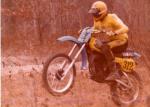
Kinda rare to have Kayaba Fork that Late...But..Not unheard of..
Edit; Just Noticed those 65A mufflers...Now I'm Jealous!!
Last edited by Racepres; Nov 13, 2024 at 09:22 AM.
7 Surprising Harley-Davidson Products that Are Not Motorcycles
Slideshow: The bar-and-shield logo shows up on far more than motorcycles, some of the company's most unexpected products have nothing to do with riding.
Slideshow: From the troubled AMF years to modern misfires, these bikes earned reputations for reliability issues, questionable engineering, or disappointing performance.
Crazy Bunderbike Build Looks Amazing, But Is It Impossible to Ride?
Slideshow: The Swiss custom shop has taken a Harley Softail and stretched it into something so long and low that it looks closer to a rolling sculpture than a conventional motorcycle.
Engraved Rebellion: Inside Bundnerbike's Glam Rock II
Slideshow: A standard cruiser becomes an intricate metal canvas in the hands of a Swiss custom house known for pushing Harley-Davidson platforms far beyond their factory brief.
Slideshow: Harley-Davidson's challenges aren't abstract; they show up in dropping shipments, shrinking dealer traffic, and strategic decisions that aren't yet translating into growth.