








2011 103 Engine Lugging

Thread Starter
|
Intermediate
Joined: Mar 2011
Posts: 41
Likes: 0
From: Twin Cities, MN/ OKC

Thanks for all the responses. Mostly wanted to confirm my shifting RPM's. I try to stay above 2k and normally shift @3200-3500 unless I'm on it, then no more than 4500. I have stock intake and map, until my goodies from Fuel Moto get here tomorrow! (PV and SE intake) Anxious to see how they change the feel of the bike, I know it will be better!

Road Captain
Joined: Dec 2010
Posts: 545
Likes: 8
From: antelope valley ca.
Speaking of lugging it me and the wife were going out to eat in her car and some dude was on a lowered r/g and taking it to the rev limiter in every gear,in normal traffic flow, annoying as hell.

Advanced


Joined: Nov 2011
Posts: 94
Likes: 50
From: CA
Short Shifting/Lugging
In second gear or higher gear, hold the throttle in the same position and down shift. The engine will speed up and one of the following things will happen:
- The bike speed will decrease
- The bike speed will stay the same
- The bike speed will increase
Speed Decrease: This is what should happen when you down shift, it means you are in the proper gear for road conditions. You have not Short Shifted.
Speed Stays the Same: This means you are almost okay, but you have Short Shifted, the engine wants to be in this lower gear.
Speed Increase: This is Lugging, and it is bad. If you drive this way all the time you will damage your engine. This also hurts gas mileage as you are using more throttle than necessary.

Grand HDF Member


Joined: Jan 2012
Posts: 4,459
Likes: 2,900
From: Oklahoma
As you can tell, there are lots of opinions. There is NO single rpm that defines lugging, it is really a combination of rpm and load (as determined by throttle setting). If being below 2000 rpm would destroy the engine, they would self destruct at the first stop light. 1000 to 1200 rpm works well for idle because there is no load on the engine, the throttle is closed. Any riding situation where the throttle is closed or very nearly closed indicates no load on the engine, such as coasting down hill at 1200 rpm. When you reach the bottom and need power a downshift is necessary to avoid lugging as the throttle is opened. If you open the throttle and can feel each power pulse hammering, you are lugging, even worse is having the drive line snapping and making noises, feeling that it is trying to knock itself to pieces.
If you are running at 1800 rpm and want to GENTLY pick up some speed, SLIGHTLY opening the throttle should not be a problem. If you are in a hurry, a large throttle input at that rpm will cause lugging and a down shift should be used. If your machine feels normal (no heavy engine vibration) you are in safe territory. If you feel heavy vibration, fix it immediately with a down shift. You can lug above 2000 rpm if you open the throttle enough. Experience will make it easier to tell when to down shift vs when everything is running as it should be.
If you are running at 1800 rpm and want to GENTLY pick up some speed, SLIGHTLY opening the throttle should not be a problem. If you are in a hurry, a large throttle input at that rpm will cause lugging and a down shift should be used. If your machine feels normal (no heavy engine vibration) you are in safe territory. If you feel heavy vibration, fix it immediately with a down shift. You can lug above 2000 rpm if you open the throttle enough. Experience will make it easier to tell when to down shift vs when everything is running as it should be.
Road Master


Joined: Jul 2012
Posts: 798
Likes: 726
From: Moncton, NB
With great time, there is great wisdom ( or something like that) ...
Grand HDF Member

Joined: Mar 2008
Posts: 4,998
Likes: 655
From: bklyn,ny
HD Forum Stories
The Best of Harley-Davidson for Lifelong Riders
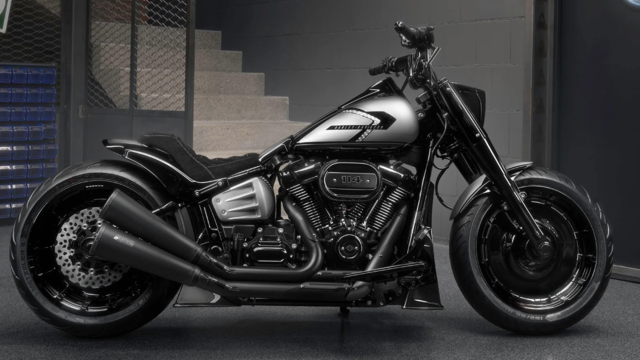
Harley-Davidson Fat Boy Becomes a Dark, Decepticon-Inspired Custom
Verdad Gallardo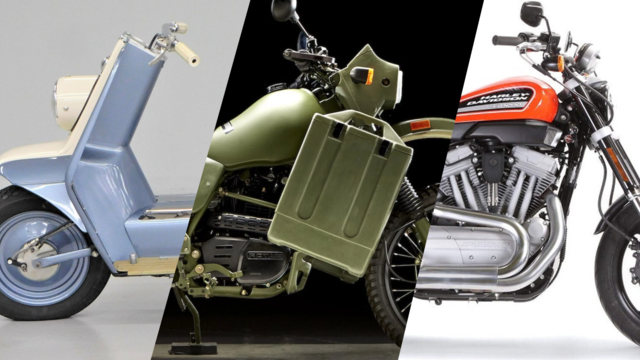
6 Weirdest Harley-Davidsons Ever Sold to the Public
Verdad Gallardo
7 Times Harley-Davidson Chucked Tradition Out the Window
Verdad Gallardo
7 Surprising Harley-Davidson Products that Are Not Motorcycles
Verdad Gallardo
8 Best Harley-Davidson Motorcycles Ever
Pouria Savadkouei
10 Worst Harley-Davidson Motorcycles Ever
Pouria Savadkouei
Killer Custom's Jail Break Is The Breakout That Refused to Blend In
Verdad Gallardo
Crazy Bunderbike Build Looks Amazing, But Is It Impossible to Ride?
Verdad Gallardo
Harley-Davidson Reveals Super Cool Cafe Racer Concept
Verdad Gallardo
Thread
Thread Starter
Forum
Replies
Last Post
