






life expectancy

Stellar HDF Member
Joined: Feb 2007
Posts: 2,558
Likes: 280
From: Russellville, Arkansas
 RE: life expectancy
Really cannot answer that question. All depends on maintainence and how it was rode. There are lots of factors in here....
I had a 1984 FXRT and it had approx. 89,000 miles on it. The only thing it needed was cylinder base gaskets though. The bore, heads, and top end were in great shape. I put it all back together and rode another 20,000 miles and then sold it.
The EVO can last a verrrrrrry long time!
I had a 1984 FXRT and it had approx. 89,000 miles on it. The only thing it needed was cylinder base gaskets though. The bore, heads, and top end were in great shape. I put it all back together and rode another 20,000 miles and then sold it.
The EVO can last a verrrrrrry long time!

Stellar HDF Member


Joined: Oct 2005
Posts: 2,381
Likes: 228
RE: life expectancy
Got over 100k on my FXR when I sold it.Replaced the base gaskets, Head Gaskets and rocker box gaskets at 60k and that was it.
Have 29k on my FLHT and expect to get over 100k before it gets rebuilt.
Have 29k on my FLHT and expect to get over 100k before it gets rebuilt.
Trending Topics

Ultimate HDF Member
Joined: Jun 2006
Posts: 5,801
Likes: 13
RE: life expectancy
My 93 was rebuilt (top end) at 50 k. Today, at 76k it runs fine, but does burn about a quart per 1500 miles or so. Depends on how hard I twist the throttle.
HD Forum Stories
The Best of Harley-Davidson for Lifelong Riders

Jason Momoa Is Turning Classic Harleys Into PHEVs
Verdad Gallardo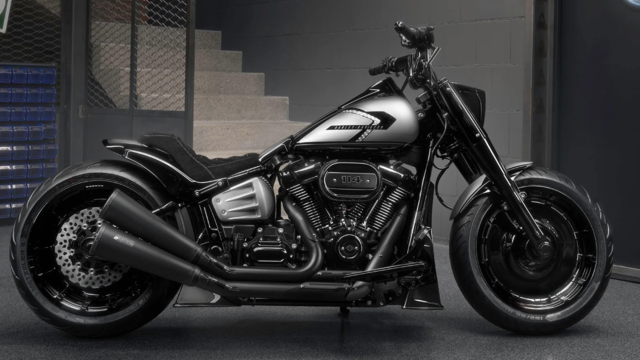
Harley-Davidson Fat Boy Becomes a Dark, Decepticon-Inspired Custom
Verdad Gallardo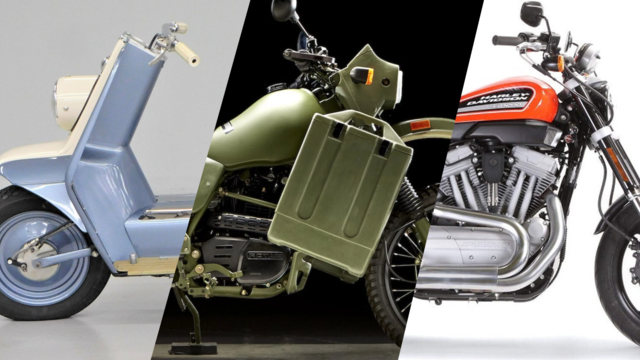
6 Weirdest Harley-Davidsons Ever Sold to the Public
Verdad Gallardo
7 Times Harley-Davidson Chucked Tradition Out the Window
Verdad Gallardo
7 Surprising Harley-Davidson Products that Are Not Motorcycles
Verdad Gallardo
8 Best Harley-Davidson Motorcycles Ever
Pouria Savadkouei
10 Worst Harley-Davidson Motorcycles Ever
Pouria Savadkouei
Killer Custom's Jail Break Is The Breakout That Refused to Blend In
Verdad Gallardo
Crazy Bunderbike Build Looks Amazing, But Is It Impossible to Ride?
Verdad Gallardo


Road Master
Joined: Dec 2005
Posts: 1,224
Likes: 2
From:
RE: life expectancy
Ran 76,000 miles on my 99 EVO before I sold it.Installed an oil cooler and ranM-onesynthetic changed every 2500 miles or under. Basically, I never let the oil get dirty which is the 1st commandment of owning British bikes for several years.No mechanical issues with the engine whatsoever.I'd swear the bike ran just as goodas the day I bought it.