When you click on links to various merchants on this site and make a purchase, this can result in this site earning a commission. Affiliate programs and affiliations include, but are not limited to, the eBay Partner Network.
Today while cleaning my primary cover for my 1978 1/2 flh-80, I discovered 3 cracks.
#1 Crack is in the cover mounting flange of the clutch service hole, is about 1/2" long, and I'm confident a welder can fix me up quick.
#2 and #3 are on the outside of the cover about 1 1/2" on each side of the floorboard mount bracket. These cracks do not go clear through to the inside as I look visibly with a magnifying glass. Magnafluxiing may offer up a different perspective, and I may pursue that after a discussion here from you guys whom have been done this road before me.
My questions: 1) what can I expect concerning appearance from having cracks #1 and 2 repaired?
2) Does any of our forum members have a decent cover, with the floorboard mount, available to replace mine?
Thanks in advance for your advice.
Cracks by the mount look like parting lines from the mold to me but the cover is not in hand. Does the crack by the derby cover mount hole go all the way through?
Parting lines? I too thought this because the lines are perfectly straight. I pulled photos of other covers from the web, and they do not show these lines.
The straight lines are not cracks as mentioned above. The other line looks like a web in the aluminum that formed during the die-casting process which is also normal for die cast parts even today.
Thank you Road Captain and hellonewman. You are correect on both all accounts.
I polished up the front side at the derby cover and this perceived crack does not go through.
I'm good to go!
Do they leak? You can only PT aluminum. Welding on that would be a disaster. If you do that, you would have to machine the gasket face more then likely.
Last edited by Jackie Paper; Oct 30, 2023 at 11:11 AM.
Those aren't cracks, minor imperfections in the casting molds, common on mid & later 70's shovel stuff. They changed up the casting processes mid 70's. Later processes needed less cleanup and post machining.
Slideshow: Jason Momoa's latest restoration project blends 1920s Harley-Davidsons with modern electric technology, creating some of the most unusual hybrid motorcycles ever built.
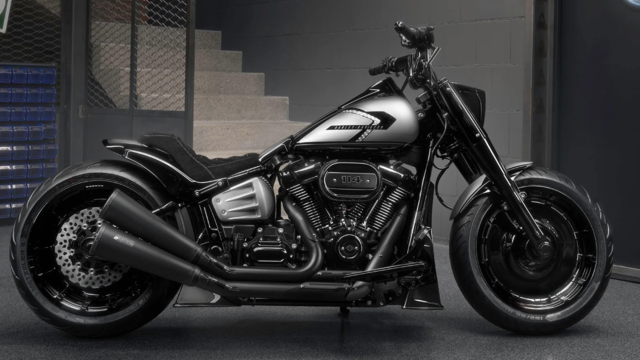
Harley-Davidson Fat Boy Becomes a Dark, Decepticon-Inspired Custom
Slideshow: Killer Custom's latest build relies on styling changes rather than performance upgrades, giving the cruiser an entirely different personality.
7 Surprising Harley-Davidson Products that Are Not Motorcycles
Slideshow: The bar-and-shield logo shows up on far more than motorcycles, some of the company's most unexpected products have nothing to do with riding.
Slideshow: From the troubled AMF years to modern misfires, these bikes earned reputations for reliability issues, questionable engineering, or disappointing performance.
Crazy Bunderbike Build Looks Amazing, But Is It Impossible to Ride?
Slideshow: The Swiss custom shop has taken a Harley Softail and stretched it into something so long and low that it looks closer to a rolling sculpture than a conventional motorcycle.







 My primary problem