






Primary temperature

Thread Starter
|
Road Master
Joined: Sep 2011
Posts: 894
Likes: 1
From: NJ
 Primary temperature
Sorry for all the damn questions lately.
I took a ride out on the highway last night. Maybe 20 miles round trip. Got home around 7 pm and parked her in the garage. I figured I would let her cool down before I cleaned her off. I went back out to the garage around 9pm and starting cleaning off the dust n bugs. I wiped off the Primary cover and noticed that it was still very hot.
Is this normal? I even checked it again at 11 pm and it was still warm...
Just making sure I dont have a problem. How hot is too hot. I just had the whole bike serviced at the local Harley dealership and all the fluids changed.
Thanks!
I took a ride out on the highway last night. Maybe 20 miles round trip. Got home around 7 pm and parked her in the garage. I figured I would let her cool down before I cleaned her off. I went back out to the garage around 9pm and starting cleaning off the dust n bugs. I wiped off the Primary cover and noticed that it was still very hot.
Is this normal? I even checked it again at 11 pm and it was still warm...
Just making sure I dont have a problem. How hot is too hot. I just had the whole bike serviced at the local Harley dealership and all the fluids changed.
Thanks!

Road Master
Joined: Feb 2010
Posts: 884
Likes: 0
From: n
you're overthinking it...it is a big chunk of metal that got very warm and is going to stay warm for a long time. It really doesn't take much more than minutes on the road to get things heated up. I don't even think about cleaning anything on the motor after riding that day. Have a beer and focus on the bugs on the front end.

Club Member
Joined: Jul 2007
Posts: 463
Likes: 1
From: in a trailer next to a ditch in South Florida
Sorry for all the damn questions lately.
I took a ride out on the highway last night. Maybe 20 miles round trip. Got home around 7 pm and parked her in the garage. I figured I would let her cool down before I cleaned her off. I went back out to the garage around 9pm and starting cleaning off the dust n bugs. I wiped off the Primary cover and noticed that it was still very hot.
Is this normal? I even checked it again at 11 pm and it was still warm...
Just making sure I dont have a problem. How hot is too hot. I just had the whole bike serviced at the local Harley dealership and all the fluids changed.
Thanks!
I took a ride out on the highway last night. Maybe 20 miles round trip. Got home around 7 pm and parked her in the garage. I figured I would let her cool down before I cleaned her off. I went back out to the garage around 9pm and starting cleaning off the dust n bugs. I wiped off the Primary cover and noticed that it was still very hot.
Is this normal? I even checked it again at 11 pm and it was still warm...
Just making sure I dont have a problem. How hot is too hot. I just had the whole bike serviced at the local Harley dealership and all the fluids changed.
Thanks!
But, there is almost no air circulation where I keep it at home. I do this to prevent heat-soaking the engine and electrical parts. I usually shut the fan off when the oil temp goes down to 100 degrees on the H-D oil tank temp gauge.

Last edited by Bikenator; Sep 27, 2011 at 04:54 PM.

Outstanding HDF Member
Joined: Nov 2010
Posts: 2,591
Likes: 68
From: Big Bear City, CA
I use a cheap 14 inch electric fan to blow air over the cylinders from the side of the bike when I park it at home. When parked outside, natural air currents help cool it down pretty quickly.
But, there is almost no air circulation where I keep it at home. I do this to prevent heat-soaking the engine and electrical parts. I usually shut the fan off when the oil temp goes down to 100 degrees on the H-D oil tank temp gauge.
But, there is almost no air circulation where I keep it at home. I do this to prevent heat-soaking the engine and electrical parts. I usually shut the fan off when the oil temp goes down to 100 degrees on the H-D oil tank temp gauge.
Just thought I'd mention that

Club Member
Joined: Jul 2007
Posts: 463
Likes: 1
From: in a trailer next to a ditch in South Florida
You can of course continue to do whatever you like, but a slow cool down is actually more favorable. Aircraft engines are air-cooled as well and very similar in design to our H-D engines. If we're at altitude in an aircraft and just chop power to do a decent, it will crack the cylinders. The term for this is called "shock cooling". It's unlikely that you would crack a cylinder because the temp changes aren't as quick or dramatic as in an aircraft, but it's not of any benefit either. In reality it's more harm than good, and a complete waste of your time and efforts.
Just thought I'd mention that
Just thought I'd mention that
I live in South Florida, the ambient temps here won't remotely allow anything like the effect of which you wrote.
Heat soaking an ECM, BCM or voltage regulator ages these electronic components prematurely There is documented proof of premature aging in abundance, unlike the myth you are repeating.
Last edited by Bikenator; Sep 28, 2011 at 08:23 PM.
Trending Topics

Club Member


Joined: May 2007
Posts: 145,895
Likes: 821
From: 40 miles Northeast of Indy..
CHILL OUT before U have a Stroke.. .
.
Ur for sure worrying too much.
If its 90 out, It'll take longer than if it is 50 for her to cool.
Think bout this.
Go take a ride in U car, then later see if the motor is still hot.
.Ur for sure worrying too much.
If its 90 out, It'll take longer than if it is 50 for her to cool.
Think bout this.
Go take a ride in U car, then later see if the motor is still hot.
HD Forum Stories
The Best of Harley-Davidson for Lifelong Riders

Jason Momoa Is Turning Classic Harleys Into PHEVs
Verdad Gallardo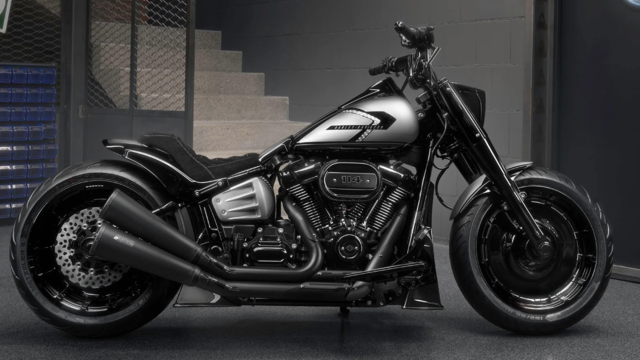
Harley-Davidson Fat Boy Becomes a Dark, Decepticon-Inspired Custom
Verdad Gallardo
6 Weirdest Harley-Davidsons Ever Sold to the Public
Verdad Gallardo
7 Times Harley-Davidson Chucked Tradition Out the Window
Verdad Gallardo
7 Surprising Harley-Davidson Products that Are Not Motorcycles
Verdad Gallardo
8 Best Harley-Davidson Motorcycles Ever
Pouria Savadkouei
10 Worst Harley-Davidson Motorcycles Ever
Pouria Savadkouei
Killer Custom's Jail Break Is The Breakout That Refused to Blend In
Verdad Gallardo
Crazy Bunderbike Build Looks Amazing, But Is It Impossible to Ride?
Verdad Gallardo
Club Member
Joined: Jul 2007
Posts: 463
Likes: 1
From: in a trailer next to a ditch in South Florida
The car electronic modules are well separated from the heads on the (usually) water cooled engine, not so with the Harley air-cooled heads at 350 degrees eh?

Thread
Thread Starter
Forum
Replies
Last Post
screwball
Tri Glide, RG3 & Freewheeler Models
29
Apr 21, 2012 09:35 PM
