




Charging system not charging sometimes

Grand HDF Member
Joined: May 2010
Posts: 3,599
Likes: 5,175
From: SWMO

Ok Mark. Have you checked all your battery/starter and ground connections and have you done any trouble shooting of the charging system?
You can explain more about your bike and the issue. They don't charge by the word here.
You can explain more about your bike and the issue. They don't charge by the word here.

Extreme HDF Member
Joined: Jun 2011
Posts: 14,731
Likes: 2,536
From: Mountain Top, Alabama
If connections are good, regulator next suspect.
With meter hooked up to the bike, when it drops - peck on the regulator with a long screwdriver handle or similar, that may confirm the culprit. Check connections there also.
With meter hooked up to the bike, when it drops - peck on the regulator with a long screwdriver handle or similar, that may confirm the culprit. Check connections there also.

Road Warrior
Joined: Jul 2009
Posts: 1,507
Likes: 23
From: Orange County Texas
When are you seeing the low voltage, if it's during starting it can go that low while the starter is engaged.
First, get the battery load test and make sure it's good. Battery problems can start as early as two years old.
If the battery is good there is a problem with the charging system. But we have no idea what your working on.
There are no tests for the voltage regulator. The testing requires doing an ohm test and a voltage output test of the stator. This testing is somewhat involved and it would be best to have a manual and preform the test as outlined in the manual.
If the stator test good then the voltage regulator is the problem or there is a problem in the wiring.
Many people will replace the the voltage regulator just to eliminate as a problem. Can usually be purchased aftermarket for between $110.00 to $160.00 dollars and is a 15 minute to 30 minute job to replace.
A stator problem is a much different story. Expensive and lot of labor.
First, get the battery load test and make sure it's good. Battery problems can start as early as two years old.
If the battery is good there is a problem with the charging system. But we have no idea what your working on.
There are no tests for the voltage regulator. The testing requires doing an ohm test and a voltage output test of the stator. This testing is somewhat involved and it would be best to have a manual and preform the test as outlined in the manual.
If the stator test good then the voltage regulator is the problem or there is a problem in the wiring.
Many people will replace the the voltage regulator just to eliminate as a problem. Can usually be purchased aftermarket for between $110.00 to $160.00 dollars and is a 15 minute to 30 minute job to replace.
A stator problem is a much different story. Expensive and lot of labor.

Road Master


Joined: Jun 2012
Posts: 1,062
Likes: 191
From: Boise, Idaho
This topic comes up enough that I saved this post on checking the charging system.
Testing:
Connectors and cables should be checked and cleaned first. Loose and corroded connectors, terminals and grounds can cause high resistance, impeding current flow. Check cables for broken or rubbed insulation and check continuity to make sure the conductor is not broken inside the insulation.
Coating connectors with dielectric grease will keep moisture out and reduce corrosion.
Use the schematics in the HD Electrical Diagnostic or Service manual to determine the location of additional connectors.
Battery testing:
First check and clean battery terminals, Battery cables and ground connections. To check cables, disconnect one end and Ohm out, wiggle while testing. Cables can and will corrode and the evidence can be concealed under the insulation.
If you are unsure of the battery’s condition charge it fully and take it to an auto parts store and have it load tested.
Voltmeter test:
Connect voltmeter positive to positive terminal on battery and voltmeter negative to battery negative terminal.
12.7 v = 100% charge
12.6 v = 75%
12.3 v = 50%
12.0 v = 25%
11.8 v = 0%
Watch the battery voltage when you start the bike, if a fully charged battery falls below 9.6 volts it’s time to replace it.
If a well charged battery runs down if the bike sits for a short time perform a current draw test. Set your meter to read 10 amps current. Pull your main fuse and insert the meter leads. Here’s a list of components and what current they will draw in milli amps, (1/1000 of an amp) from the 2015 manual:
LHCM 0.5
RHCM 0.5
Speedometer/ IM 0.5
Regulator 1.0
ABS 1.0
BCM 1.0
ECM 1.0
Security Siren 20.0
Radio 0.5
Amplifier 0.5
CB Module 0.5
If the Battery passes all tests check the charging system.
Charging System Testing:
Volt meter set to DCV 20V scale or higher.
With the bike in neutral and voltmeter attached to the battery, start the engine and rev to 3,000 rpm. If the voltage measures 13V – 14.7V the charging system is operating properly. If less than 13V test the Stator first. If Greater than 15V test the Voltage Regulator.
Stator testing
Turn the bike off and disconnect the Stator from the Voltage Regulator.
Testing a 3 phase Stator, (A single phase stator is tested in the same manner but the plug will only have 2 sockets).
The end of the connector from the stator has 3 sockets. Set your meter to ohms and connect one lead to the battery negative. With the other lead make contact with the conductors inside each socket. You are checking for a grounded coil winding, each socket should show an open circuit to ground, no continuity.
Now take both meter leads and check resistance between each of the three sockets, 1-2, 2-3 and 1-3. The resistance should be 0.1 – 0.3 ohm.
Next check the Stator’s AC output. Set the meter to ACV 100V scale. With the Stator unplugged from the VR and the bike in neutral, start the bike. Run the bike at 2,000 rpm and check the Stator output between sockets 1-2, 2-3 and 1-3. The voltage should read approximately 32-46 Volts AC, for the 50 amp Stator. Stators with other Amp ratings will be similar.
If the Stator continuity tests to ground and Phase to Phase are good but the output is not the Rotor may be bad.
One other indication that the stator may be bad is if your primary oil smells like a burnt circuit board.
Voltage Regulator Testing
Voltage readings of 14.8V and higher indicate the Voltage Regulator is bad.
If the output is less than 13V from the Voltage Regulator to the battery and the Stator output is good, disconnect the output cable from the VR to the Battery. Check continuity between the Voltage Regulator Positive wire and the battery Positive and the negative wire and battery negative. Repair or replace cable if needed. If the cables are good and the Stator tested well replace the Voltage Regulator
Testing:
Connectors and cables should be checked and cleaned first. Loose and corroded connectors, terminals and grounds can cause high resistance, impeding current flow. Check cables for broken or rubbed insulation and check continuity to make sure the conductor is not broken inside the insulation.
Coating connectors with dielectric grease will keep moisture out and reduce corrosion.
Use the schematics in the HD Electrical Diagnostic or Service manual to determine the location of additional connectors.
Battery testing:
First check and clean battery terminals, Battery cables and ground connections. To check cables, disconnect one end and Ohm out, wiggle while testing. Cables can and will corrode and the evidence can be concealed under the insulation.
If you are unsure of the battery’s condition charge it fully and take it to an auto parts store and have it load tested.
Voltmeter test:
Connect voltmeter positive to positive terminal on battery and voltmeter negative to battery negative terminal.
12.7 v = 100% charge
12.6 v = 75%
12.3 v = 50%
12.0 v = 25%
11.8 v = 0%
Watch the battery voltage when you start the bike, if a fully charged battery falls below 9.6 volts it’s time to replace it.
If a well charged battery runs down if the bike sits for a short time perform a current draw test. Set your meter to read 10 amps current. Pull your main fuse and insert the meter leads. Here’s a list of components and what current they will draw in milli amps, (1/1000 of an amp) from the 2015 manual:
LHCM 0.5
RHCM 0.5
Speedometer/ IM 0.5
Regulator 1.0
ABS 1.0
BCM 1.0
ECM 1.0
Security Siren 20.0
Radio 0.5
Amplifier 0.5
CB Module 0.5
If the Battery passes all tests check the charging system.
Charging System Testing:
Volt meter set to DCV 20V scale or higher.
With the bike in neutral and voltmeter attached to the battery, start the engine and rev to 3,000 rpm. If the voltage measures 13V – 14.7V the charging system is operating properly. If less than 13V test the Stator first. If Greater than 15V test the Voltage Regulator.
Stator testing
Turn the bike off and disconnect the Stator from the Voltage Regulator.
Testing a 3 phase Stator, (A single phase stator is tested in the same manner but the plug will only have 2 sockets).
The end of the connector from the stator has 3 sockets. Set your meter to ohms and connect one lead to the battery negative. With the other lead make contact with the conductors inside each socket. You are checking for a grounded coil winding, each socket should show an open circuit to ground, no continuity.
Now take both meter leads and check resistance between each of the three sockets, 1-2, 2-3 and 1-3. The resistance should be 0.1 – 0.3 ohm.
Next check the Stator’s AC output. Set the meter to ACV 100V scale. With the Stator unplugged from the VR and the bike in neutral, start the bike. Run the bike at 2,000 rpm and check the Stator output between sockets 1-2, 2-3 and 1-3. The voltage should read approximately 32-46 Volts AC, for the 50 amp Stator. Stators with other Amp ratings will be similar.
If the Stator continuity tests to ground and Phase to Phase are good but the output is not the Rotor may be bad.
One other indication that the stator may be bad is if your primary oil smells like a burnt circuit board.
Voltage Regulator Testing
Voltage readings of 14.8V and higher indicate the Voltage Regulator is bad.
If the output is less than 13V from the Voltage Regulator to the battery and the Stator output is good, disconnect the output cable from the VR to the Battery. Check continuity between the Voltage Regulator Positive wire and the battery Positive and the negative wire and battery negative. Repair or replace cable if needed. If the cables are good and the Stator tested well replace the Voltage Regulator

Stellar HDF Member

Joined: Apr 2011
Posts: 2,445
Likes: 1,553
From: Central Wisconsin
A friend of mine had a similar issue. His culprit, although extremely rare, was his rotor had stripped out all the splines. The rotor would turn intermittently. We had done every electrical test you could think of but could not figure it out. Idling it would charge from 14 volts to 0 volts and back to 14 again. Finally found the culprit when everything was dissasembled to replace entire charging system.
Trending Topics
Road Warrior
Joined: Nov 2007
Posts: 1,800
Likes: 307
From: Houston, Texas
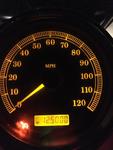
I'm currently troubleshooting a similar charging issue on my 08 RKC. On the way home last night, the check engine light and battery light came on. Pulled over to look the bike over and everything looked ok. Turned it back on and the lights went off. Code stored low voltage. Made it most of the way home and the lights came back on. Checking now and everything seems fine. Battery 12.2 volts off. 12.8 idle and a little over 13 rev'd up. Grounds good and tight.
HD Forum Stories
The Best of Harley-Davidson for Lifelong Riders

7 Surprising Harley-Davidson Products that Are Not Motorcycles
Verdad Gallardo
8 Best Harley-Davidson Motorcycles Ever
Pouria Savadkouei
10 Worst Harley-Davidson Motorcycles Ever
Pouria Savadkouei
Killer Custom's Jail Break Is The Breakout That Refused to Blend In
Verdad Gallardo
Crazy Bunderbike Build Looks Amazing, But Is It Impossible to Ride?
Verdad Gallardo
Harley-Davidson Reveals Super Cool Cafe Racer Concept
Verdad Gallardo
Engraved Rebellion: Inside Bundnerbike's Glam Rock II
Verdad Gallardo
10 Motorcycles You Should Never Buy
Joe Kucinski
10 Things Harley-Davidson Needs to Fix in 2026
Verdad Gallardo
Thread
Thread Starter
Forum
Replies
Last Post