When you click on links to various merchants on this site and make a purchase, this can result in this site earning a commission. Affiliate programs and affiliations include, but are not limited to, the eBay Partner Network.
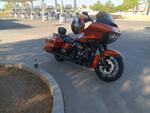
15 rg I’m doing all the wheel bearings in the rear and behind the pulley side is a .25
or so aluminum washer behind the bearing . The bearing was seated against the inner axle spacer on both sides snug so it seems it should be there just don’t see it on the rear wheel blow up for my bike. It just shows bearing going in. Is anyone familiar with the spacer and should I go back in? Thank you.
The washer I’m speaking about was located between 3 and 16 in the diagram. It’s opening allowes the inner axle
spacer to go through it so the back side of the bearing seats to the axle spacer . Not seeing it on a diagram made me wonder
If you put the bearings in the wheel with just the sleeve,( no shim) the bearings should end up against the sleeve, If the sleeve is still able to move( side to side) and the bearings are bottomed out in their respective bores, either the sleeve is the wrong length, or something is off with the hub itself.
No, a bearing shim is Not used in your 15 RG (that's why you don't see it in the diagram).
But it didn't hurt anything ... The spacer sleeve sticks out farther (than the bearing bore bottom) than the thickness of the shim anyway.
Funny that "they" used a "FRONT" shim
Btw, is this an ABS bike?
.
It's a non-abs bike. So, it makes sense now that the rotor side bearing seats in the hub while on the drive side the bearing stops at axle spacer and not seating in the bottom of the hub like rotor side.
Last edited by Woodrow Miller; Aug 15, 2023 at 10:20 AM.
Here is the theory behind it. All the axle torque goes thru the center race. One bearing bottoms. One sorta floats in the press fit where that inner sleeve stops it. Appears to me, someone has been in there who didn't understand something.
Does your service manual state which side goes first in to bottom?
A diagram although not yours may make this clearer. Just the first two. The last two are the old tapered bears that were shimmed to tolerance.
Here is the theory behind it. All the axle torque goes thru the center race. One bearing bottoms. One sorta floats in the press fit where that inner sleeve stops it. Appears to me, someone has been in there who didn't understand something.
Does your service manual state which side goes first in to bottom?
A diagram although not yours may make this clearer. Just the first two. The last two are the old tapered bears that were shimmed to tolerance.
The rotor side cavity is the depth of the bearing itself and the pulley side is deeper which is where the axle spacer comes through to catch the drive side bearing and not bottom out. And yes, someone definitely was in there that didn't have a clue. Thank you for the help to all that responded.
... So, it makes sense now that the rotor side bearing seats in the hub while on the drive side the bearing stops at axle spacer and not seating in the bottom of the hub like rotor side.
Exactly
Harley made those "1st side" bearing shims (5 or 6 different thicknesses IIRC) to use for specific 25mm ID (15mm wide) bearing applications using wheels designed for the earlier 21mm wide bearings (3/4" & 1" ID).
BTW, they were used on the production line for 2008 Touring Mdls ... HD didn't redesign the wheels until 2009 so they used the earlier wheels with the "New" 25mm bearings and the shim for 2008.
You can see them in the parts diagram (front and rear)
7 Surprising Harley-Davidson Products that Are Not Motorcycles
Slideshow: The bar-and-shield logo shows up on far more than motorcycles, some of the company's most unexpected products have nothing to do with riding.
Slideshow: From the troubled AMF years to modern misfires, these bikes earned reputations for reliability issues, questionable engineering, or disappointing performance.
Crazy Bunderbike Build Looks Amazing, But Is It Impossible to Ride?
Slideshow: The Swiss custom shop has taken a Harley Softail and stretched it into something so long and low that it looks closer to a rolling sculpture than a conventional motorcycle.
Engraved Rebellion: Inside Bundnerbike's Glam Rock II
Slideshow: A standard cruiser becomes an intricate metal canvas in the hands of a Swiss custom house known for pushing Harley-Davidson platforms far beyond their factory brief.
Slideshow: Harley-Davidson's challenges aren't abstract; they show up in dropping shipments, shrinking dealer traffic, and strategic decisions that aren't yet translating into growth.







 Wheel bearing help