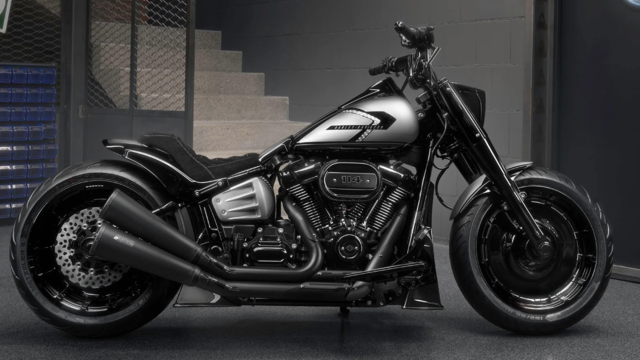

Loose Compensator?


Thread Starter
|
Road Captain


Joined: Apr 2012
Posts: 614
Likes: 75
From: Marietta, GA

Well this is way past my mechanical abilities at this point, so I'm ready to throw in the towel. Every friend i have is recommending a different local mechanic, but at this point, I'm just gonna drop it off at Harley and pay their 92/hr rate to at least just figure out what's wrong. In the meantime though, I put it all back together this morning, tossed a quart of Lucas Synthetic back in the primary and fired it up....still hear slight knocking. So, I'm an EMT and just happen to own a pretty nice stethoscope and I put it at various positions on the engine. It's most definitely loudest where the compensator is. Hear it slightly at the front cylinder and the rear is super smooth. Maybe it's the compensator springs then? I'm still taking it into the dealer because I'm tired of ****ing with it. I'll keep y'll posted as to the outcome
Ultimate HDF Member

Joined: Jul 2014
Posts: 5,649
Likes: 430
From: MASS_hole
Yeah the tensioner is properly adjusted. I did that a couple thousand miles ago when I first tried to diagnose this problem. Got rid of an excess 1/2" of play past spec. Another symptom to mention, is I feel a distinct thud when rolling off and on the throttle, unless I'm feathering it
but as you can see, I went back and re read this thread and what sounds like the obvious culprit may be a too stretched out of a primary chain. Could be the front pulley was swapped out in place of a smaller one and left the chain with a terminal amount of slack/ over run. Hence the slap and thud sounds during both opening and closing of the intake positions.
the whining or squeal may be related to this also.
Anyway, hope the dealer can help
Seasoned HDF Member


Joined: May 2008
Posts: 21,220
Likes: 12,811
From: South Carolina
As required tension gets into the high ranges, the torque needed to turn a fastener a certain amount can vary quite a bit, depending on the condition of the threads on the fasteners.
To help eliminate the inaccuracy of the straight torque, a torque+degree of turn is often used.
When a torque+degrees of turn is required, the initial torque is fairly low, just enough to ensure the fastener has taken up all the slack in the stackup.
Once the initial torque is met, the torque indication is not very important, because the degrees of turn will give an accurate and repeatable amount of tension on the fastener.
Last edited by Dan89FLSTC; Jul 29, 2017 at 06:29 PM.
Thread Starter
|
Road Captain
Joined: Apr 2012
Posts: 614
Likes: 75
From: Marietta, GA
So apparently I need a whole new flywheel assembly. Probably some other stuff too, but my brain shut down when he told me that over the phone. Gonna be just over 3 grand. I love my bike but that almost has me checking trade-in value. Just seems lousy to spend almost as much as a new engine and not have anything cool to show for it
Seasoned HDF Member


Joined: Sep 2008
Posts: 14,228
Likes: 11,351
From: San Diego, CA


Thread
Thread Starter
Forum
Replies
Last Post
Rickity
Engine Mechanical Topics
2
May 4, 2017 06:01 AM
Rickity
General Harley Davidson Chat
7
May 2, 2017 08:06 PM