




"DIY MODS" and TRICKS to SAVE $$$$$$

Intermediate
Joined: Feb 2010
Posts: 45
Likes: 0

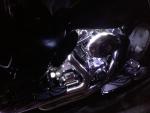
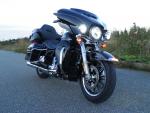
Instead of spending $50 for the Snap-On tool to adjust spot-lamps on my motorcycle, I purchased a US manufactured socket from Farm & Fleet. Then, I used my Dremel tool and cut out ~one side of the socket. Next, I polished the rough edges. It works well, though a third arm would have been useful to hold the turn signal, spot-lamp, and ratchet at the same time . . .
Total cost <$6.00 + some time.
Also, I came across this idea on this forum, though where eludes me. Thanks again for the money saving ideas!
Total cost <$6.00 + some time.
Also, I came across this idea on this forum, though where eludes me. Thanks again for the money saving ideas!
Advanced
Joined: Aug 2012
Posts: 68
Likes: 0
From: New Mexico
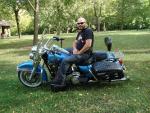
I have always messed with leather since that wonderful elective in junior high school "leather crafting." I know I am certainly in the minority but to each his own. I purchased a 24 square foot 4+oz top grain cowhide (~$200) from the leather factory to make all the fringe; everything including the screw-post holes were cut or drilled by hand. Each fringe was cut one at a time with an exacto knife, followed by an angle cut. This process give the fringe, and overall appearance, an organic look. I used a nice angle iron to keep things straight. The diamond pattern and floorboard fringe were cut and installed last summer; all the fringe is a double layer, and the layer closest to the bike is slightly longer. double fringe to me looks fuller. I drilled holes through the floorboards for proper installation; each hole is 1.5 inches from the next. I measured several times for my own sense of perfection. All in all, It took approximately 20+ hour of tedious hand work. Cutting fringe one at a time is quite time consuming, but I like the consistency of human inconsistency . . . Now, time for editing.
Last edited by VINTAGE HORSE; Mar 21, 2013 at 05:16 PM.
Advanced
Joined: Mar 2012
Posts: 77
Likes: 1
From: N Ft. Myers, Fla
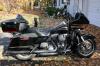
I have always messed with leather since that wonderful elective in junior high school "leather crafting." I know I am certainly in the minority but to each his own. I purchased a 24 square foot 4+oz top grain cowhide (~$200) from the leather factory to make all the fringe; everything including the screw-post holes were cut or drilled by hand. Each fringe was cut one at a time with an exacto knife, followed by an angle cut. This process give the fringe, and overall appearance, an organic look. I used a nice angle iron to keep things straight. The diamond pattern and floorboard fringe were cut and installed last summer; all the fringe is a double layer, and the layer closest to the bike is slightly longer. double fringe to me looks fuller. I drilled holes through the floorboards for proper installation; each hole is 1.5 inches from the next. I measured several times for my own sense of perfection. All in all, It took approximately 20+ hour of tedious hand work. Cutting fringe one at a time is quite time consuming, but I like the consistency of human inconsistency . . . Now, time for editing.
Road Master
Joined: Apr 2008
Posts: 1,000
Likes: 5
From: S.E. NC
You can use a relay and diode to pick off of the alarm circuit and trigger the horn. The diode may not be necessary, Haven't given it any thought yet.
What triggers the siren? 12v? If so, use that 12v to trigger a relay that supplies 12v to the horn circuit.
No, you don't need the diode.

3rd Gear
Joined: Mar 2013
Posts: 7
Likes: 0
From: Ar.
Garage door opener
carrying the remote in my rear sissy bag. This will work much better...Thanks......Gary

Advanced
Joined: Mar 2013
Posts: 61
Likes: 0
From: Northern Wisconsin
Tryus had asked me to share this with all the members of the forum so here you go guts... if you have any questions, feel free to ask...
So i did this security system to my previous bike and it cost me somewhere around $35 to do. Its a tilt sensor that will sound when your bike is raised up from the kickstand when armed. Its a great system to stop the old pick up and go crimes. Now i havent done this to my sporty yet since i havent figured out the best place to mount everything so its out of sight but i wanted to post this anyways because im sure one of you guys could figure this out.
Heres the link to my squidoo write up that i did after installing the system. Everything you will need for the system is included on that page. Just make sure you are aware that this isnt a system to leave on for a long period of time since it does constantly draw from the battery. Its meant to be an overnight or quick public stop alarm.
http://www.squidoo.com/35-diy-motorcycle-alarm
So i did this security system to my previous bike and it cost me somewhere around $35 to do. Its a tilt sensor that will sound when your bike is raised up from the kickstand when armed. Its a great system to stop the old pick up and go crimes. Now i havent done this to my sporty yet since i havent figured out the best place to mount everything so its out of sight but i wanted to post this anyways because im sure one of you guys could figure this out.
Heres the link to my squidoo write up that i did after installing the system. Everything you will need for the system is included on that page. Just make sure you are aware that this isnt a system to leave on for a long period of time since it does constantly draw from the battery. Its meant to be an overnight or quick public stop alarm.
http://www.squidoo.com/35-diy-motorcycle-alarm
HD Forum Stories
The Best of Harley-Davidson for Lifelong Riders

7 Surprising Harley-Davidson Products that Are Not Motorcycles
Verdad Gallardo
8 Best Harley-Davidson Motorcycles Ever
Pouria Savadkouei
10 Worst Harley-Davidson Motorcycles Ever
Pouria Savadkouei
Killer Custom's Jail Break Is The Breakout That Refused to Blend In
Verdad Gallardo
Crazy Bunderbike Build Looks Amazing, But Is It Impossible to Ride?
Verdad Gallardo
Harley-Davidson Reveals Super Cool Cafe Racer Concept
Verdad Gallardo
Engraved Rebellion: Inside Bundnerbike's Glam Rock II
Verdad Gallardo
10 Motorcycles You Should Never Buy
Joe Kucinski


