When you click on links to various merchants on this site and make a purchase, this can result in this site earning a commission. Affiliate programs and affiliations include, but are not limited to, the eBay Partner Network.
early cams were number on the back of the lobes - some stupid *** thought it was a good idea so every one did it that way
later on they put the number on the trigger wheel spud - some on the cam front - most you cant tell unless you have installed as many as i have then i can almost guess usually between 2 cams that are almost the same buy the way it runs
gather all that is needed then post up another thread and the guys will walk you in and out -- very helpfull bunch on this site
I have 4 different cams and all of them are stamped on the inner bearing end of the cam. So you might have to pull it to find out and if you think someone was in there i wouldn't order anything until I knew what I had...
Shame ... could it's ring and cog fit on another cam? It seems a handy idea. I'd like to see if real world terms what + and - 4 ° means.
Originally Posted by glidein wide
Mornin John ,yeh I agree with that. Is there a number on cam I can check or see without pulling cam out? It looks like someone has been in there before, here is a pic.
Looks like the ignition/timer cover is not standard but that does mean the cam has been changed. Yes, some but not all cams have codes on their visible noses if you open up and take off the ignition unit/timing wheel (ignition sensor rotor).
[QUOTE=Dun Roamin;13654967]Shame ... could it's ring and cog fit on another cam? It seems a handy idea. I'd like to see if real world terms what + and - 4 ° means.
Its simple and all cams are the same in this regard - if you + the cam ( advance it ) you turn the power on early by 300 to 500 RPMs < engine dynamics rules the RPM amount
IF you - the cam retard it 4 degrees - the power come on later in the RPM band by 300 to 500 RPMs
Now having said that - if the cam is in a stock or near stock motor unless you are on an ultra with two people and have lots of seat time < you would be like well yea i guess -- modified motors respond way beter to this idea some 2 degrees some 6 degrees
its an old trick from the V8 flat head motor days - they would using a compression tester screwed into the plug hole - they would get the number then advance and or retard the cam for the highest compression number -- that would make the motor have the most dig off the start for street racing < it was also called a 3/4 race cam
when the 3/4 cam ( is slang ) and the term full race came to be the go to for the street hot rod guys, - the cam companys sold cams with 3/4 and full race hahahahahaah
it was told to me by some of the real old timers i had a privileg to meet and talk to - the 3/4 cam idea was 3 or 4 degrees was the spot -- and to the engine guys they just called it a 3/4 cam
some might have never heard of that term maybe - folk lore
Just out of interest, how do you do it or what equipment do you use? Is it just a matter of scribing and pressing, or is there some kind of jig/gauge set up?
We've done stuff pretty low tech way with heat and cold, e.g nitrogen. Recently I saw that photo of a computer controlled jig to measured lobes etc.
Man John, you are going back just a few days there.....the thing was to get a full race cam so you could knock the 3/4 guys....... lol........and for Dun Roamin I believe to degree your cam you need to press on a new gear that would be plus or minus the degrees you specify.. I'm sure someone will chime in to clarify.....
[QUOTE=johnjzjz;13655495]
Originally Posted by Dun Roamin
Shame ... could it's ring and cog fit on another cam? It seems a handy idea. I'd like to see if real world terms what + and - 4 ° means.
Its simple and all cams are the same in this regard - if you + the cam ( advance it ) you turn the power on early by 300 to 500 RPMs < engine dynamics rules the RPM amount
IF you - the cam retard it 4 degrees - the power come on later in the RPM band by 300 to 500 RPMs
Now having said that - if the cam is in a stock or near stock motor unless you are on an ultra with two people and have lots of seat time < you would be like well yea i guess -- modified motors respond way beter to this idea some 2 degrees some 6 degrees
its an old trick from the V8 flat head motor days - they would using a compression tester screwed into the plug hole - they would get the number then advance and or retard the cam for the highest compression number -- that would make the motor have the most dig off the start for street racing < it was also called a 3/4 race cam
when the 3/4 cam ( is slang ) and the term full race came to be the go to for the street hot rod guys, - the cam companys sold cams with 3/4 and full race hahahahahaah
it was told to me by some of the real old timers i had a privileg to meet and talk to - the 3/4 cam idea was 3 or 4 degrees was the spot -- and to the engine guys they just called it a 3/4 cam
some might have never heard of that term maybe - folk lore
Just out of interest, how do you do it or what equipment do you use? Is it just a matter of scribing and pressing, or is there some kind of jig/gauge set up?
We've done stuff pretty low tech way with heat and cold, e.g nitrogen. Recently I saw that photo of a computer controlled jig to measured lobes etc.
Scribe it, press it, ride it....don't overthink it, we are talking stone-age technology and one degree or another each way is not gonna be noticed by your butt....
Just out of interest, how do you do it or what equipment do you use? Is it just a matter of scribing and pressing, or is there some kind of jig/
The only way to really know if the valves are opening and closing on the #'s the cam was designed for is to check it installed on your engine with a degree wheel and indicators.
The gear position on the cam is just one factor, any machining differences throughout the engine can change the numbers.
Slideshow: Jason Momoa's latest restoration project blends 1920s Harley-Davidsons with modern electric technology, creating some of the most unusual hybrid motorcycles ever built.
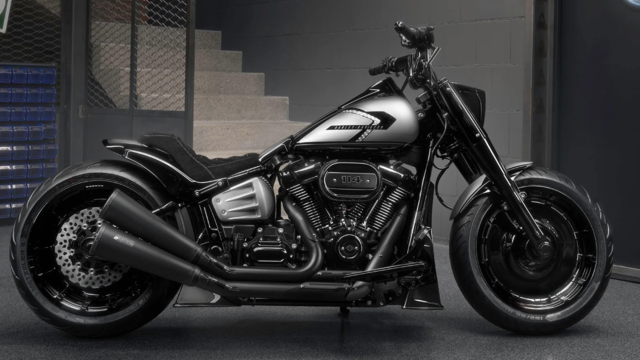
Harley-Davidson Fat Boy Becomes a Dark, Decepticon-Inspired Custom
Slideshow: Killer Custom's latest build relies on styling changes rather than performance upgrades, giving the cruiser an entirely different personality.
7 Surprising Harley-Davidson Products that Are Not Motorcycles
Slideshow: The bar-and-shield logo shows up on far more than motorcycles, some of the company's most unexpected products have nothing to do with riding.
Slideshow: From the troubled AMF years to modern misfires, these bikes earned reputations for reliability issues, questionable engineering, or disappointing performance.
Crazy Bunderbike Build Looks Amazing, But Is It Impossible to Ride?
Slideshow: The Swiss custom shop has taken a Harley Softail and stretched it into something so long and low that it looks closer to a rolling sculpture than a conventional motorcycle.